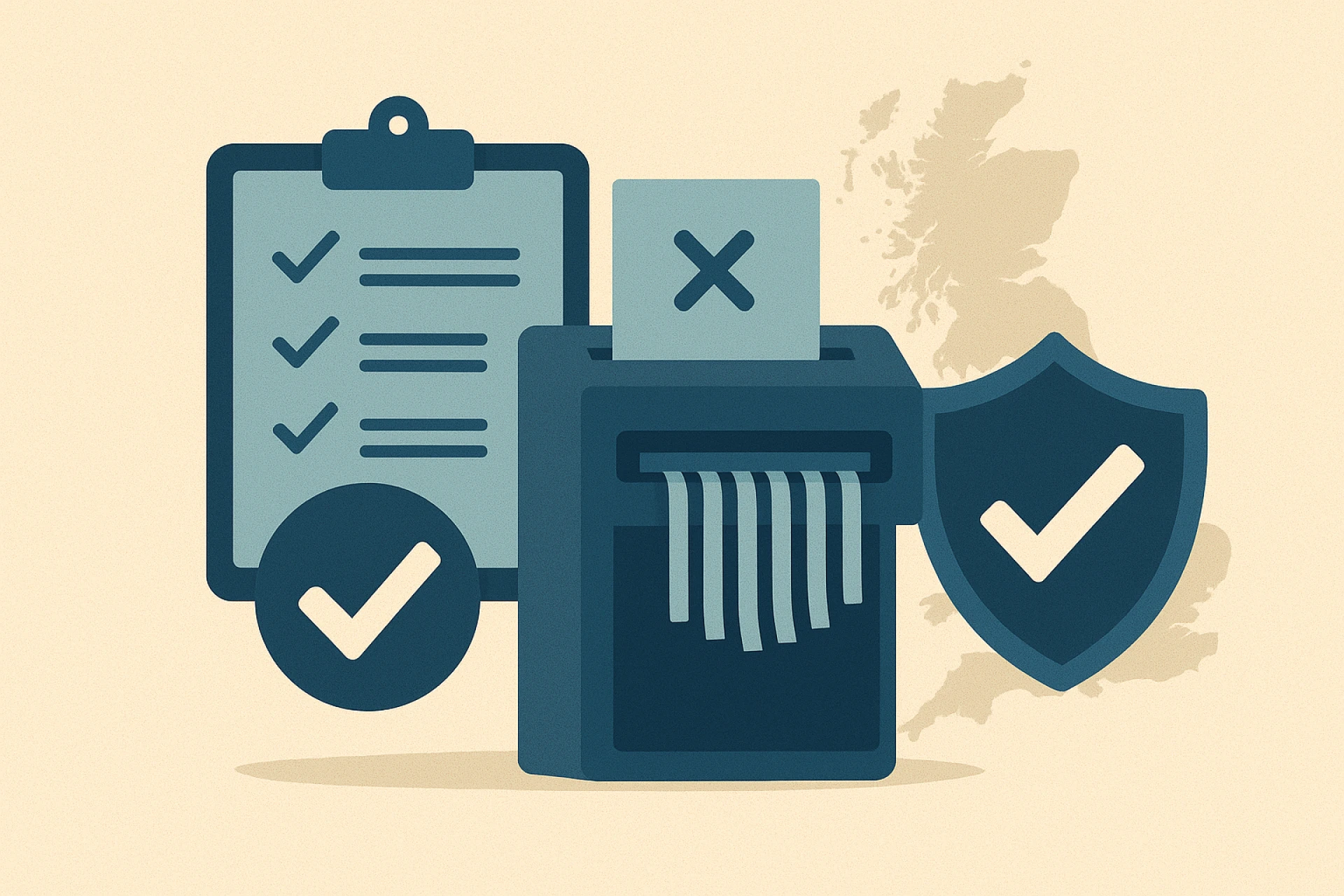

In the modern business environment, protecting sensitive products and documents is critical to maintaining legal compliance and brand integrity. Professional Product Destruction Service in UK providers ensure that expired, damaged, or confidential items are securely destroyed, reducing risks such as fraud, counterfeiting, and data breaches.
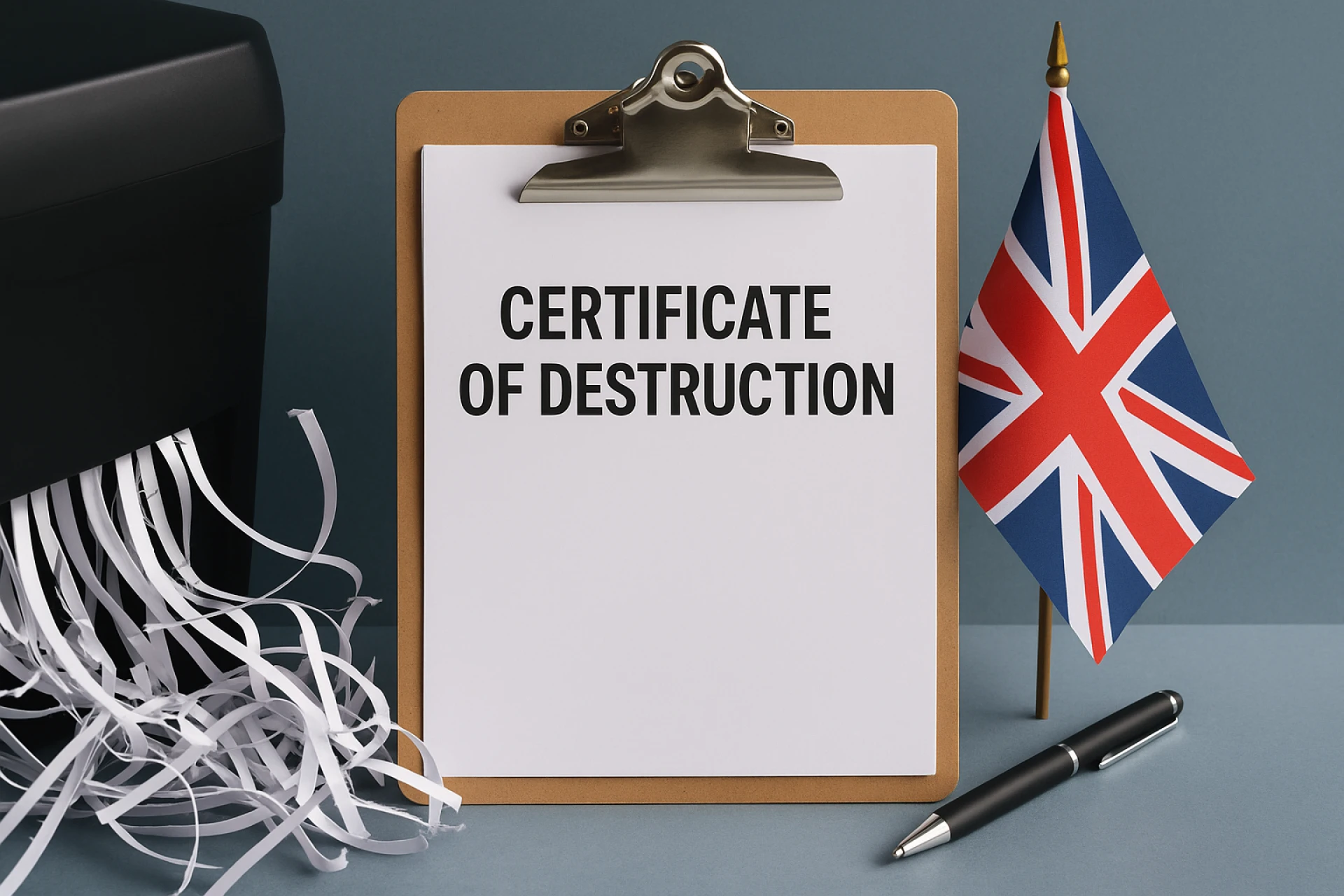
From sensitive client data to high-value prototypes, businesses must adopt certified and reliable destruction methods. These services provide audit trails, certificates of destruction, and documented proof of compliance, helping companies demonstrate accountability to regulators, clients, and stakeholders.
Step 1: Identify Materials That Require Destruction
Identifying what needs to be destroyed is the foundation of safe product destruction. Businesses should categorize materials such as:
- Expired or recalled products
- Confidential prototypes, designs, and research documents
- Sensitive client records or financial information
- Obsolete stock that could harm your reputation if resold
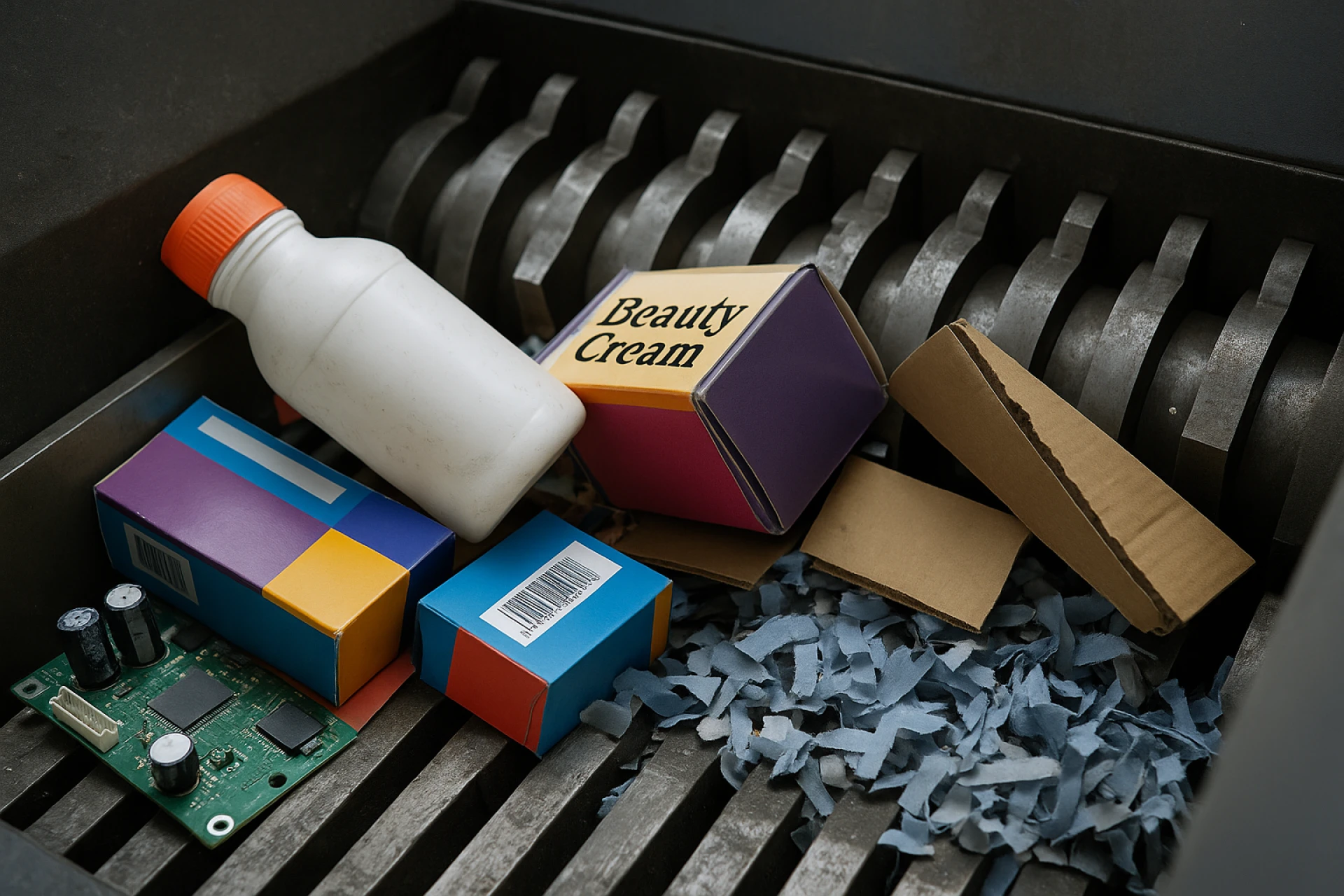
Accurate classification ensures nothing is overlooked. For example, a UK cosmetics company realized that expired beauty products and packaging prototypes needed immediate destruction to prevent counterfeit resale. Proper classification made selecting the correct destruction method straightforward.
Step 2: Choose a Certified Product Destruction Provider
Not all destruction services are created equal. Choosing a certified product destruction provider ensures compliance with UK regulations and proper handling of sensitive materials.
Key factors to consider include:
- ISO-certified or industry-recognized credentials
- On-site and off-site destruction capabilities
- Transparent processes with audit trails and certificates
- Experience in handling the specific type of material your business needs destroyed
For instance, a UK electronics manufacturer chose a certified service to destroy sensitive circuit board prototypes. The provider offered an on-site shredding service, allowing employees to witness the destruction while documenting the process for audit purposes.
Step 3: Decide Between On-Site and Off-Site Destruction
Businesses can select either on-site or off-site destruction based on sensitivity, volume, and compliance requirements:
- On-Site Shredding Service: Allows real-time witnessing of the destruction process. Ideal for high-value prototypes, confidential research, or legally sensitive documents.
- Off-Site Shredding Service: Materials are transported securely to a certified facility. Suitable for large-volume disposal or materials that do not require on-site supervision.
Some companies adopt a hybrid approach—destroying highly sensitive materials on-site while sending bulk or less sensitive items off-site for efficiency and security.
Step 4: Track and Document Every Destruction Activity
Documenting the destruction process is crucial for compliance and accountability. Best practices include:
- Keeping detailed logs of items scheduled for destruction
- Assigning responsible personnel to oversee the process
- Monitoring the transport and destruction process via secure chains of custody
- Receiving certificates of destruction for every batch
These measures provide legal proof of destruction, which can be critical during audits or investigations. A London-based pharmaceutical company relied on these records to demonstrate compliance during a regulatory inspection.
Step 5: Implement Security Measures During Destruction
Even during destruction, strict security is essential. Certified providers employ:
- Tamper-proof containers for storage and transport
- CCTV monitoring of destruction areas
- Security-verified personnel managing sensitive items
- Secure vehicles for off-site transportation
Such measures minimize the risk of theft, accidental exposure, or improper disposal, ensuring that confidential information or products are completely eliminated.
Step 6: Verify Compliance With Regulatory Standards
After destruction, it’s essential to confirm that the process meets UK legal and industry requirements:
- Review certificates of destruction for every batch
- Ensure the method adheres to environmental and safety regulations
- Confirm that all sensitive items have been completely destroyed
This verification not only reduces legal risks but also strengthens the company’s compliance record and reinforces trust with stakeholders.
Step 7: Train Employees on Safe Destruction Practices
Proper employee training is a cornerstone of secure product destruction:
- Staff must identify materials requiring destruction
- Employees need to understand proper handling and security protocols
- Teams should report any irregularities immediately
- Regular refresher sessions ensure compliance with updated regulations
For example, a UK law firm implemented quarterly training sessions for staff handling client contracts and confidential documents, significantly reducing the risk of accidental exposure or mishandling.
Step 8: Implement Eco-Friendly Destruction Methods
Sustainable disposal is increasingly important for UK businesses. Certified providers often offer environmentally responsible destruction options, including:
- Shredding followed by recycling
- Incineration with energy recovery
- Chemical neutralization for hazardous materials
Companies not only protect sensitive products but also demonstrate environmental responsibility, aligning with corporate social responsibility goals and appealing to eco-conscious clients.
Step 9: Regularly Review and Update Destruction Policies
Business needs and regulations evolve, so it’s important to review destruction policies periodically:
- Update material lists and schedules
- Adjust procedures based on new compliance standards
- Incorporate emerging technology for secure disposal
- Audit past destruction records to identify gaps or improvements
A UK medical supplier that implemented quarterly audits discovered outdated disposal procedures, allowing them to adopt secure product destruction practices that improved compliance and efficiency.
Step 10: Partner With a Trusted Provider for Ongoing Protection
Working with a reputable certified shredding service in UK ensures continuous, safe, and compliant destruction of materials. Benefits include:
- Tailored services to match business requirements
- Comprehensive audit trails and certificates
- Expertise in handling sensitive or high-risk materials
- Flexibility to offer on-site or off-site destruction
By partnering with a reliable provider, businesses safeguard their intellectual property, maintain regulatory compliance, and enhance stakeholder confidence.
Final Thoughts
Safe and compliant product destruction is critical for UK businesses aiming to protect intellectual property, client information, and brand reputation. Implementing best practices—from classifying materials and choosing certified providers to tracking destruction and training staff—ensures complete security and legal compliance.
Investing in professional Product Destruction Service in UK and secure product destruction is not just about meeting regulatory obligations. It is a strategic approach to safeguard valuable business assets, prevent fraud, and demonstrate corporate responsibility.



























Sign in to leave a comment.