

Residential construction projects demand accuracy, timeliness, and efficient coordination across multiple tasks, materials, and personnel. Estimation plays a critical role during the early phases of planning, as it lays the foundation for budgeting, resource allocation, and project scheduling. Whether a contractor is building single-family homes or managing large-scale residential developments, the need for precise, reliable, and fast estimation cannot be overstated. Technology has evolved to meet this demand, with remodeling estimating software development emerging as a transformative tool. These digital solutions are designed to eliminate guesswork, reduce errors, and provide a structured framework for producing professional-grade cost estimates. In this blog, we will discuss the best construction estimating software for builders that will help them in their day-to-day operation.
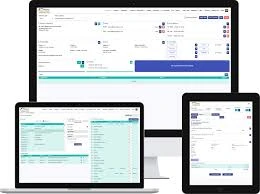
Residential Construction Estimating Software at a Glance
The residential construction estimating software refers to a specialized digital tool used to calculate the projected costs of building homes and residential structures. It covers a broad range of factors including material pricing, labor costs, equipment usage, subcontractor expenses, and more. Designed specifically for the housing sector, this software allows builders to input project specifications and receive an accurate breakdown of expected costs. Whether it's a remodel, new construction, or an expansion, the software tailors its output to match the unique requirements of residential jobs. Unlike spreadsheets or manual methods, which are often prone to mistakes or outdated figures, these platforms use real-time data and streamlined processes to offer greater control and clarity.
Some of the most useful estimating software for builders also allow builders to create custom templates, store pricing databases, and generate reports that are easy to understand and present to clients. As a result, estimating software has become a fundamental asset for builders aiming to stay competitive and profitable in a fast-paced housing market. With the right software in place, teams are equipped to deliver precise estimates, minimize cost overruns, and maintain transparent communication with clients and stakeholders.
Features of a Residential Construction Estimating Software
Reliable residential construction estimating software provides key features that simplify cost estimation while boosting accuracy and adaptability across residential construction projects.
1. Detailed Quantity Takeoffs
Calculate material requirements precisely with automated takeoff tools that reduce guesswork and eliminate miscalculations from manual processes.
2. Centralized Dashboard Access
Manage templates, track updates, and generate estimates seamlessly through a user-friendly dashboard designed for real-time control.
3. Built-In Cost Databases
Use localized price and labor data to create estimates that align with current market conditions and economic fluctuations.
4. Customization Flexibility
Tailor every estimate to fit specific project needs, geographic variables, or client requirements without compromising precision.
5. Real-Time Estimation Updates
Access live data feeds and instant updates that help improve forecasting, budget accuracy, and schedule management.
Benefits of Using Residential Construction Estimating Software
Make smarter decisions, faster and with greater accuracy, through digital estimating software for construction tailored for residential builders.
1. Improved Accuracy and Fewer Costly Errors
Estimating software calculates every cost component using updated, real-time data. This significantly lowers the risk of pricing mistakes or missed items. Builders can avoid underbidding, which eats into profits, or overpricing, which turns clients away. As a result, estimates become more reliable and financially sound across every project.
2. Faster Turnaround and Greater Efficiency
Manual estimating takes hours or even days to finalize. Digital tools accelerate this process by automating complex calculations and allowing quick revisions. Builders respond to client inquiries more rapidly, deliver quotes in less time, and move from planning to execution with speed that gives them a competitive edge in tight timelines.
3. Clearer Presentation and Enhanced Client Trust
The software presents estimates in organized, professional layouts that clients can easily understand. Well-structured formats help eliminate confusion and increase transparency. This boosts client confidence in the builder’s capabilities, shortens approval timelines, and supports stronger long-term working relationships built on clarity and mutual understanding.
4. Better Financial Oversight and Forecasting
With features like cost tracking, historical data access, and predictive analytics, builders gain stronger control over their finances. It becomes easier to monitor profit margins, identify upcoming risks, and make timely adjustments. This financial clarity leads to more profitable outcomes and fewer budget-related setbacks during active construction.
Which is the Best Residential Construction Estimating Software?
Choosing the best software depends largely on the size of the business, the complexity of projects handled, and the features most valuable to a builder's workflow. A small contractor may prioritize simplicity and cost-effectiveness, while a larger residential builder might seek more advanced features such as multi-user access, analytics dashboards, and integration with enterprise-level tools.
The most effective construction estimating tools aren't a one-size-fits-all tool, but a custom-built system tailored to your exact business needs. Residential construction projects vary in complexity, region, and budgeting standards—so relying on a generic software package often means compromising features, accuracy, or usability. A custom solution, on the other hand, adapts to specific workflows, roles, and reporting formats unique to each contractor or firm.
Custom development also ensures robust data security and remote access that aligns with how modern teams operate. Whether managing estimates on-site, in the office, or from multiple regional branches, having a cloud-connected and mobile-friendly system improves coordination and responsiveness. Integration with your existing project management or accounting systems becomes seamless, reducing duplication and errors.
Summary
Residential construction projects are highly dynamic, requiring both precision and speed during the estimation phase. Traditional approaches often fall short when it comes to accuracy, efficiency, and adaptability. Software-based estimation tools have proven to be a superior alternative, offering builders the ability to calculate detailed costs, respond to client needs quickly, and manage multiple projects without losing control over quality or profitability.
Investing in custom construction estimating software for small business is no longer just a convenience— it has become a necessity for builders aiming to thrive in today’s fast-evolving market. Those who embrace the power of digital estimation tools are better positioned to deliver excellence, win more bids, and lead their businesses toward a more profitable and sustainable future.
























Sign in to leave a comment.