

The Golden Triangle of India—Delhi, Agra, and Jaipur—is one of the most iconic travel circuits in the world. It’s where you’ll witness the ethereal Taj Mahal at sunrise, wander through Jaipur's pink-hued palaces, and get lost in Delhi's bustling bazaars. But the best time to visit Golden Triangle India depends entirely on what kind of experience you're after.
After a decade of writing about travel in South Asia and analyzing climate patterns across the region, I can tell you this much: timing matters enormously here. The difference between visiting in November versus June isn't just about temperature—it's the difference between a magical, comfortable journey and a sweaty, exhausting ordeal.

Let's break down everything you need to know about Golden Triangle India weather, season by season, city by city, so you can plan the perfect trip.
The Short Answer: When Should You Go?
The universally recommended window is October to March. During these months, the weather across Delhi, Agra, and Jaipur is cool, dry, and generally sunny, making it ideal for the substantial amount of walking and outdoor exploration this circuit demands.
Within that window, November to February offers the most comfortable conditions—think pleasant daytime temperatures between 10°C and 25°C (50°F to 77°F). These are also the peak travel months, coinciding with the best weather and India's vibrant wedding season, so expect crowds and higher prices, particularly for hotels.
Golden Triangle Weather: A Season-by-Season Breakdown
The Golden Triangle experiences three distinct seasons, each offering a completely different travel experience. Here's what to expect.
Winter (October to March): The Peak Season
This is hands-down the best time to visit Golden Triangle India for most travellers.
What to expect: Days are warm and pleasant, with temperatures ranging from 10°C to 25°C (50°F to 77°F), while nights can get chilly—sometimes dipping as low as 5°C to 7°C (41°F to 45°F). The skies are generally clear, humidity is low, and rainfall is minimal.
The catch: This is peak tourist season. Popular attractions like the Taj Mahal, Amber Fort, and Qutb Minar get crowded. Hotel rates are at their highest, and you'll need to book well in advance—ideally three to six months ahead.
The reward: The Golden Triangle weather during winter is simply unbeatable for sightseeing. You can spend hours exploring outdoor monuments without exhaustion, and the soft winter light makes for spectacular photography.
Festivals to watch for:
- Diwali (October–November): The festival of lights transforms Delhi and Jaipur into a glittering wonderland
- Pushkar Mela (October–November): One of India's largest camel fairs, just a short detour from Jaipur
- Jaipur Literature Festival (January): Asia's largest free literature festival
- Republic Day (26 January): A spectacular parade in Delhi
Summer (April to June): The Challenging Season
Summer is intense in North India, and I'll be honest—this is not the ideal time for most travellers.
What to expect: Temperatures soar. Daytime highs regularly exceed 40°C (104°F), and in May and June, they can spike to 45°C (113°F) or higher. The air is dry and punishing, and standing in the open marble courtyard of the Taj Mahal at midday feels like being inside an oven.
Who might still go: Budget travellers and those seeking solitude. Summer brings fewer tourists and significantly lower prices. Wildlife enthusiasts also find April and May offer the best chances of spotting big cats in nearby reserves.
Survival tips if you visit in summer:
- Start sightseeing at dawn and rest during the hottest afternoon hours
- Stay hydrated—carry water constantly
- Wear light, breathable cotton clothing, a wide-brimmed hat, and sunscreen
- Use air-conditioned transport between cities
Monsoon (July to September): The Green Season
The monsoon brings a mixed bag of experiences to the Golden Triangle.
What to expect: Heavy rainfall transforms the landscape into lush, vibrant green.
Temperatures drop by about 8–12°C from summer highs, settling in the 28–35°C (82–95°F) range. However, humidity becomes very high, which can make it feel hotter than it actually is.
The upside: Fewer tourists, lower prices, and beautiful greenery. The monsoon also brings a certain romance to the Taj Mahal—the marble gleams against dramatic grey skies.
The downside: Roads can become slippery, some attractions may have limited hours, and outdoor exploration becomes challenging. Heavy downpours can occasionally cause flooding and transport delays.
The sweet spot: September and early October are underrated. The monsoon clears, the landscape remains vividly green, and the crowds haven't yet arrived for peak season.
City-by-City Weather Guide
Each city in the Golden Triangle has its own microclimate. Here's what to expect in each.
Delhi Weather for Tourists
Delhi experiences extreme temperatures—scorching summers and surprisingly cold winters.
| Month | Avg High (°C) | Avg Low (°C) | Notes |
|---|---|---|---|
| Jan | 21 | 7 | Cold, foggy mornings possible |
| Feb | 25 | 10 | Pleasant, improving visibility |
| Mar | 30 | 15 | Warming up, still comfortable |
| Apr | 36 | 21 | Getting hot |
| May | 41 | 26 | Very hot, dry |
| Jun | 40 | 28 | Peak heat, monsoon arriving |
| Jul | 35 | 27 | Monsoon, humid |
| Aug | 34 | 26 | Rainy, humid |
| Sep | 34 | 25 | Monsoon tapering off |
| Oct | 33 | 20 | Pleasant, post-monsoon freshness |
| Nov | 28 | 13 | Ideal weather begins |
| Dec | 23 | 8 | Cool, can be foggy |
Delhi weather for tourists is most favourable from October to March, with November and December offering the most comfortable conditions. However, be aware that December and January can bring significant morning fog, which affects visibility and can delay flights and trains. Air quality also tends to worsen in winter.
Agra Weather and the Taj Mahal Best Time to Visit
Agra shares similar climate patterns with Delhi but can feel even hotter in summer due to its location.
| Month | Avg High (°C) | Avg Low (°C) | Notes |
|---|---|---|---|
| Jan | 22 | 8 | Cool, foggy mornings possible |
| Feb | 25 | 11 | Pleasant, clear skies |
| Mar | 32 | 16 | Warming up |
| Apr | 38 | 21 | Hot |
| May | 41 | 26 | Very hot |
| Jun | 42 | 28 | Peak heat |
| Jul | 34 | 26 | Monsoon, humid |
| Aug | 33 | 25 | Rainy |
| Sep | 34 | 24 | Monsoon ending |
| Oct | 33 | 20 | Pleasant |
| Nov | 28 | 13 | Ideal |
| Dec | 23 | 9 | Cool |
The best month to visit Taj Mahal is arguably November, December, or February. During these months, the Agra weather is cool and clear, and the marble of the Taj Mahal gleams under soft winter light. Daytime temperatures hover between 21°C and 27°C (70°F–80°F), providing the soft lighting photographers crave.
Taj Mahal tip: Regardless of when you visit, go at sunrise. The gates open around 6:00 AM, and the early morning light casts a beautiful pinkish-golden glow on the marble. You'll also beat both the heat and the crowds.
Jaipur Weather
Jaipur, being in the desert state of Rajasthan, has slightly different patterns.
| Month | Avg High (°C) | Avg Low (°C) | Notes |
|---|---|---|---|
| Jan | 23 | 9 | Cool, pleasant |
| Feb | 26 | 12 | Warming up |
| Mar | 32 | 17 | Comfortable |
| Apr | 36 | 22 | Getting hot |
| May | 42 | 27 | Very hot |
| Jun | 39 | 28 | Hot, pre-monsoon |
| Jul | 34 | 26 | Monsoon |
| Aug | 32 | 25 | Rainy |
| Sep | 33 | 24 | Monsoon ending |
| Oct | 34 | 20 | Pleasant |
| Nov | 29 | 14 | Ideal |
| Dec | 24 | 9 | Cool |
Jaipur weather is most pleasant from October to March, with daytime temperatures around 22–28°C and cool nights. Winter is the best season to explore the Pink City's architectural wonders like Amber Fort, City Palace, and Hawa Mahal.
Monthly Comparison: When to Go for What
| Month | Weather | Crowds | Prices | Verdict |
|---|---|---|---|---|
| Jan | Cool, foggy | Peak | High | Great but prepare for fog |
| Feb | Pleasant, clear | Peak | High | Excellent |
| Mar | Warm, comfortable | High | High-Medium | Very good |
| Apr | Hot | Medium | Medium | Manageable with planning |
| May | Very hot | Low | Low | Challenging |
| Jun | Very hot, pre-monsoon | Low | Low | Challenging |
| Jul | Monsoon, humid | Low | Low | Budget option |
| Aug | Rainy, humid | Low | Low | Budget option |
| Sep | Post-monsoon, green | Low-Medium | Medium | Underrated |
| Oct | Pleasant, clear | Medium-High | Medium-High | Great |
| Nov | Ideal | Peak | High | Best overall |
| Dec | Cool, possible fog | Peak | High | Great but fog risk |
Golden Triangle Travel Tips for Every Season
Winter Travel Tips (October–March)
- Book early: Hotels and trains fill up fast during peak season
- Pack layers: Days are warm but nights can be surprisingly cold
- Bring a scarf: Useful for both warmth and visiting religious sites
- Check the fog forecast: December–January fog can disrupt transport in Delhi and Agra
- Consider a private car and driver: Highly recommended for first-timers to navigate between cities efficiently
Summer Travel Tips (April–June)
- Start early: Begin sightseeing at dawn, rest in the afternoon
- Stay hydrated: Always carry bottled water
- Dress appropriately: Light cotton clothes, wide hat, sunglasses, sunscreen
- Use AC transport: Don't skimp on air-conditioned cars and hotels
- Visit indoors: Focus on museums and indoor attractions during peak heat
Monsoon Travel Tips (July–September)
- Pack waterproof gear: A lightweight rain jacket and waterproof footwear are essential
- Quick-dry fabrics: Pack clothes that dry quickly
- Carry an umbrella: Essential for sudden downpours
- Allow flexibility: Rain can cause delays, so build slack into your itinerary
- Enjoy the greenery: The landscape is at its most beautiful during and just after the monsoon
Universal Golden Triangle Travel Tips
- Dress modestly: Especially at religious sites—cover your head, legs, and shoulders when required
- Bargain politely: It's expected in markets, but always be respectful
- Stick to bottled water: Avoid tap water and ice in drinks
- Be cautious with street food: Choose popular stalls with high turnover
- Hire local guides: They provide invaluable context at major sites
- Carry cash: While ATMs are available, cash is useful for small purchases
Frequently Asked Questions
1. What is the best time to visit Golden Triangle India?
The best time to visit Golden Triangle India is from October to March, when the weather is cool, dry, and ideal for sightseeing. November to February offers the most comfortable conditions with daytime temperatures between 10°C and 25°C (50°F to 77°F).
2. What is the best month to visit Taj Mahal?
November, December, and February are considered the best month to visit Taj Mahal. The Agra weather during these months is cool and clear, with comfortable daytime temperatures that make exploring the monument a pleasure rather than a test of endurance.
3. Is it safe to visit the Golden Triangle in summer?
It's safe but extremely uncomfortable. Summer temperatures regularly exceed 40°C (104°F) and can reach 45°C (113°F) in May and June. If you visit, plan sightseeing for early mornings and evenings, stay hydrated, and use air-conditioned transport.
4. What is monsoon like in the Golden Triangle?
Monsoon in Golden Triangle (July–September) brings heavy rain, high humidity, and temperatures around 28–35°C. It's a quieter, cheaper time to visit, but outdoor exploration becomes challenging. September offers a sweet spot as rains clear and the landscape stays green.
5. Does it get cold in the Golden Triangle in winter?
Yes, especially at night. Temperatures can drop to 5°C to 7°C (41°F to 45°F) in December and January. Morning fog is common in Delhi and Agra during these months. Pack warm layers, especially for early morning Taj Mahal visits.
6. When are crowds the worst in the Golden Triangle?
November to February is peak tourist season, with the heaviest crowds around Christmas, New Year, and major festivals. If you prefer fewer people, consider September–October or March.
7. When are hotel prices lowest?
Hotel prices are lowest during the summer (April–June) and monsoon (July–September) seasons. You'll find significant discounts, but you'll also contend with extreme heat or rain.
8. What should I wear in the Golden Triangle?
In winter: layers, including a warm jacket for mornings and evenings. In summer: light cotton clothing, wide hat, and sunglasses. In monsoon: waterproof gear and quick-dry fabrics. Always dress modestly at religious sites.
9. How many days do I need for the Golden Triangle?
Most travellers spend 5–7 days covering Delhi, Agra, and Jaipur. A minimum of 6 days allows you to explore without burnout and includes travel time between cities.
10. Is the Golden Triangle worth visiting during monsoon?
Yes, if you're on a budget and don't mind rain. The monsoon brings lush greenery, fewer crowds, and lower prices. However, be prepared for high humidity and potential transport delays.
Final Thoughts
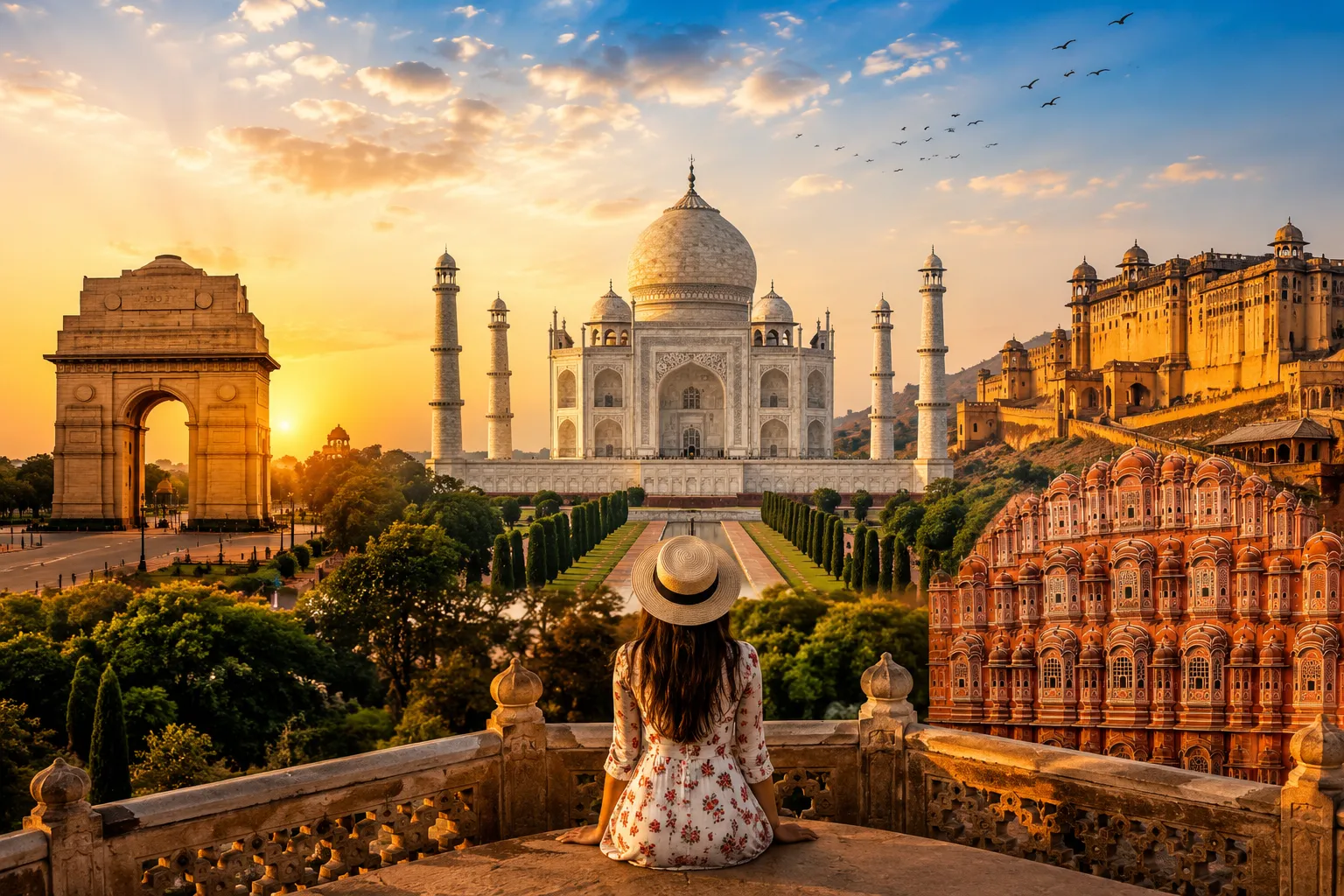
The best time to visit Golden Triangle India truly depends on your priorities. If comfortable weather and clear skies are your top concerns, plan your trip between October and March—with November and February offering the sweet spot of great conditions and manageable crowds.
If you're on a tight budget and don't mind heat, summer offers incredible value. And if you love dramatic landscapes and quiet monuments, consider the post-monsoon magic of September.
Whatever you choose, the Golden Triangle delivers an unforgettable journey through India's rich history, vibrant culture, and architectural wonders. The Taj Mahal at sunrise, Amber Fort's elephant rides, Delhi's spice-scented bazaars—these experiences transcend seasons. The key is simply being prepared for whatever weather you'll encounter.
For expertly curated itineraries that take the guesswork out of planning, explore Golden Triangle Tours India to find a package that matches your travel style and seasonal preferences.
Safe travels, and may your visit to the Golden Triangle be as golden as the morning light on the Taj Mahal.





















Sign in to leave a comment.