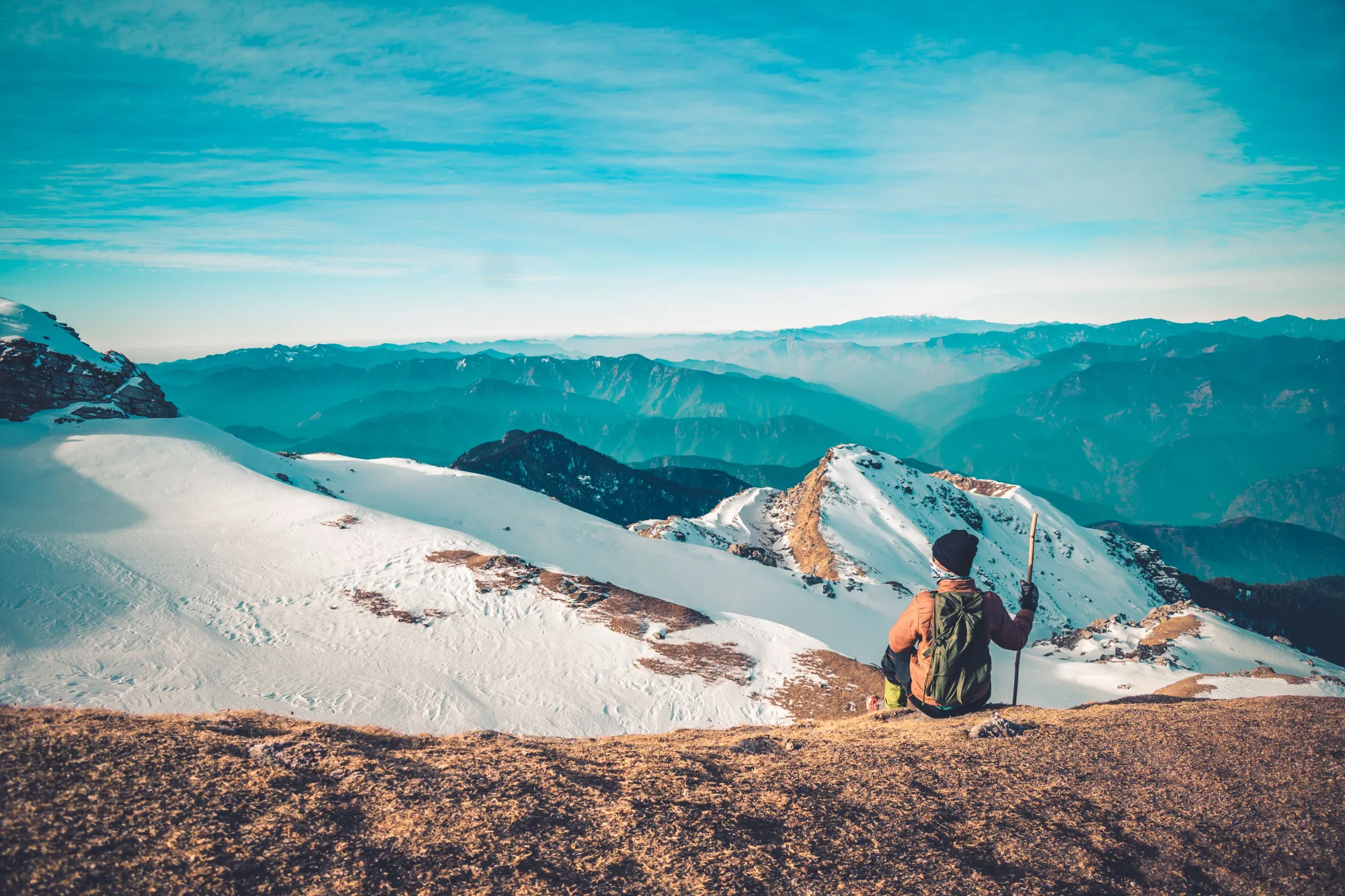

The best time to visit Kedarkantha Trek is from December to April, especially if you want to see snow. January and February are the best months for a classic winter trek, while March and April offer a more comfortable experience with snow still possible on the higher sections. If snow is not your priority, October and November are better for clear mountain views and easier trails.
Kedarkantha is a popular trek in Uttarakhand and starts from Sankri village. The route passes through dense pine forests, Juda Ka Talab, Kedarkantha Base Camp and the final summit at around 12,500 feet. The trek covers roughly 20 km and is normally completed in 4 to 6 days. Its moderate length and well-known trail make it popular with first-time Himalayan trekkers, but the weather can still make a big difference.
This is why choosing your travel month is important. In January, you may walk through deep snow and freezing temperatures. In April, the lower trail can be mostly clear. In October, you can enjoy dry trails and clear mountain views. Each season gives you a different Kedarkantha.
Best Time to Visit Kedarkantha for Snow
If snow is the main reason you want to do Kedarkantha, plan your trek between late December and February.
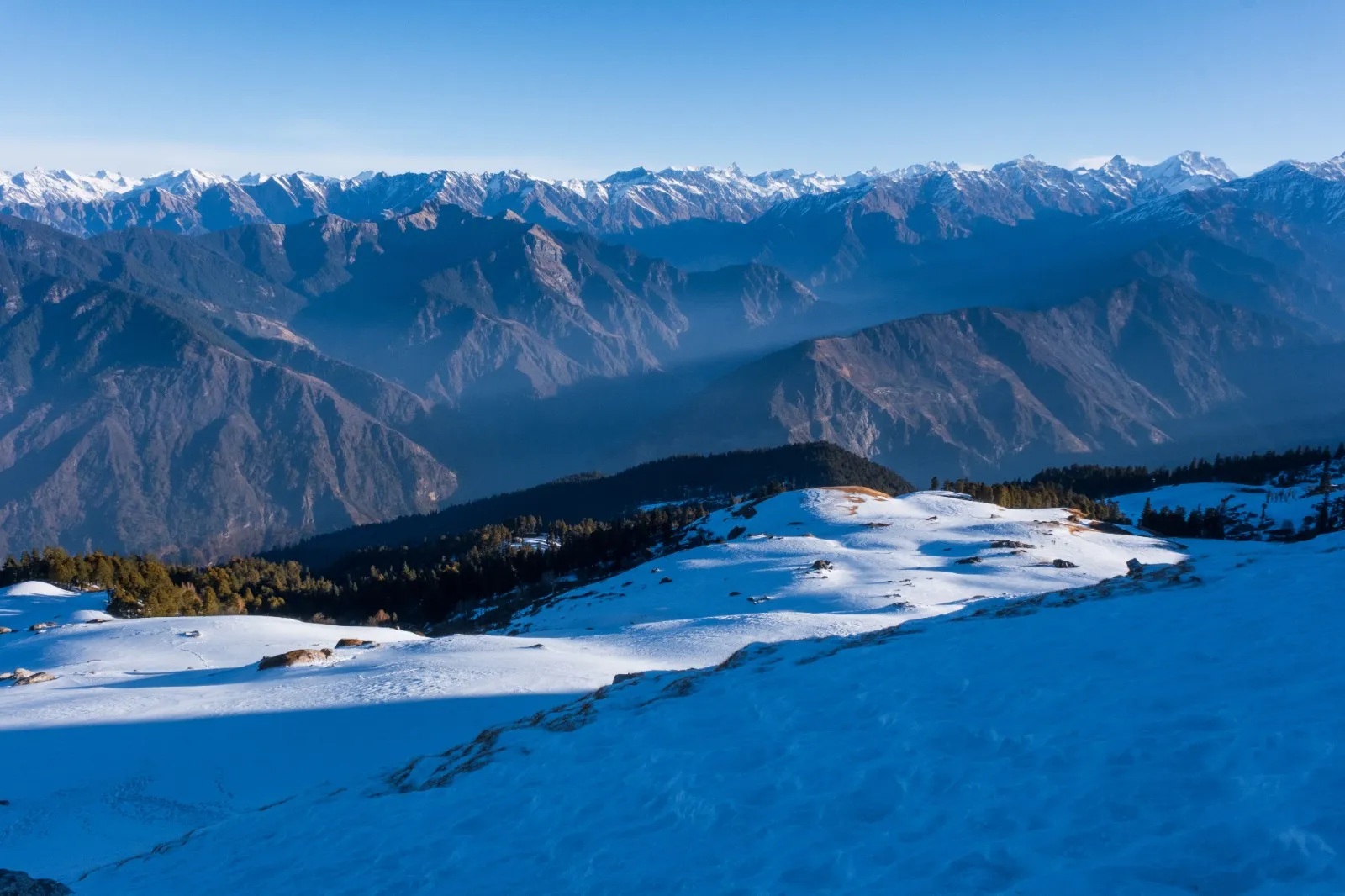
January and February usually provide the strongest winter experience. Snow can cover the forest trail, campsites and upper sections of the route. The area around Juda Ka Talab can also freeze during the coldest period.
Late December can also be snowy, but early December is less reliable. Snowfall changes from year to year, so there is no fixed date when the entire route becomes white.
For the best chance of a proper snow trek, January and February are the safest months to target.
Kedarkantha in December
December is the beginning of the main winter trekking season.
Early December can have mixed conditions. Some lower sections may be free of snow, while the higher parts may already have a white covering. If fresh snowfall arrives, the landscape can change within a few days.
By late December, the chances of snow are much better. The pine forests start looking like a winter postcard, and the higher camps can become surrounded by snow.
December is also a popular month because of Christmas and New Year. Many travellers want to spend the holidays in the mountains, so the trail and accommodation around Sankri can become busy.
If you want to trek in December, the middle of the month can offer a quieter experience than the holiday period.
Kedarkantha in January
January is one of the best months for a snowy Kedarkantha Trek.
The winter season is at its strongest, and the trail can be covered with deep snow after good snowfall. The forest sections become beautiful, with snow lying between the pine trees and along the walking path.
The summit day is the main highlight. Trekkers usually start early in the morning to reach the summit around sunrise. Standing at around 12,500 ft while looking across snow-covered Himalayan peaks is an unforgettable experience.
But January also brings the harshest cold. Temperatures can drop well below freezing at night, and the summit climb can be difficult because of icy or snowy sections.
You need proper winter clothing, good trekking shoes and enough fitness to walk in snow.
If your priority is maximum snow and a true winter trekking experience, January is an excellent choice.
Kedarkantha in February
February continues to offer good snow conditions.
The trail can still be covered in snow, particularly around the higher camps and summit route. At the same time, the weather starts moving slowly towards spring.
One advantage of February is that you can avoid much of the New Year crowd. The experience can feel quieter while still offering the snowy landscape that people come to Kedarkantha for.
February is also a good month for beginners who want snow but are worried about the extreme cold of January. It is still cold, so winter clothing remains essential, but conditions may feel slightly more manageable.
If you want a balanced winter trek with good snow, February is one of the strongest options.
Kedarkantha in March
March is the transition month between winter and spring.
Snow starts melting from the lower sections, but the higher parts of the route can remain snowy. This creates an interesting mix of landscapes. You might start your trek on a mostly clear forest trail and later find yourself walking through snow closer to the summit.
Temperatures also become more comfortable during the day. This makes March a good choice for people who want snow but do not want the coldest winter conditions.
March is especially attractive for photography. You can get snowy mountain views along with the first signs of spring in the lower forest.
For many first-time trekkers, March offers one of the best balances between snow, weather and comfort.
Kedarkantha in April
April marks the move towards spring.
Most lower sections of the trail become clearer, while snow can remain around the summit and higher areas. The exact amount depends on how much snow the region received during winter.
The days are generally more pleasant, and the forest starts becoming greener. If you are uncomfortable with freezing winter temperatures, April can be a better choice.
However, do not choose April expecting the entire route to be covered in snow. If your goal is deep snow from the forest to the summit, January or February is a better choice.
Kedarkantha in May and June
May and June offer a completely different Kedarkantha experience.
Winter snow has mostly disappeared from the lower trail. The forests become greener, and the route is easier to walk compared with the snowy months.
These months can work for trekkers who enjoy mountain forests and views rather than snow. However, Kedarkantha is best known for its winter landscape, so the experience will not be the same as the one shown in most winter trek photographs.
If you are specifically searching for a Kedarkantha snow trek, do not choose May or June.
Kedarkantha During July and August
July and August are the monsoon months and are generally not the best time for Kedarkantha.
Heavy rainfall can make the trail muddy and slippery. Visibility can also drop, and road travel to Sankri can become difficult during periods of heavy rain.
Mountain conditions can change quickly during the monsoon. For this reason, you should always check whether trekking operations are active before planning a trip.
If your dates are flexible, it is better to choose another season rather than taking unnecessary risks during heavy rain.
Kedarkantha in September
September brings the post-monsoon landscape.
The forests look fresh and green, and the weather gradually becomes more stable. Clear days can offer excellent views of the surrounding mountains.
This is a good month for trekkers who prefer greenery over snow. The trail can also feel quieter than during the main winter season.
However, do not expect a snow-covered Kedarkantha in September. The snow season is still several months away.
Kedarkantha in October
October is one of the best months for people who want clear views and comfortable trekking conditions.
The monsoon has ended, the trails are usually drier and the skies can be clear. The weather is also much more comfortable than the freezing conditions of January.
October is a good choice for beginners who want to experience a Himalayan trek without dealing with deep snow.
The main trade-off is that you will miss the classic winter scenery. If you are more interested in mountains, forests and clear views than snow, October is worth considering.
Kedarkantha in November
November is a transition from autumn to winter.
Temperatures begin dropping, especially after sunset. Higher sections may receive early snowfall, but you should not assume that the entire route will be covered.
The month can be peaceful, with fewer winter crowds. It is suitable for people who enjoy crisp weather and want to experience Kedarkantha before the main snow season begins.
For guaranteed winter conditions, however, late December onwards is a better choice.
Best Time for Beginners
Kedarkantha is often called a beginner-friendly trek, but that does not mean winter conditions are easy.
Walking through snow requires more effort than walking on a dry trail. The cold can also affect your energy, and the summit climb begins early in the morning.
If you are a beginner and want to experience snow, February or March is a good starting point. January offers more intense winter conditions, while March can provide better daytime comfort.
Start preparing before your trek. Regular walking, stair climbing and basic cardio can help you handle the long trekking days.
Best Time for Families and Children
Families should choose the season carefully.
A winter trek with deep snow can be exciting, but it also means colder nights and harder walking conditions. Younger children may find the cold and long walking days difficult.
If your family prefers comfortable conditions, April or October may be easier. If everyone is fit and comfortable with winter travel, February can offer a memorable snowy experience.
Always consider the age, fitness and previous trekking experience of everyone in the group instead of choosing a month only because it is popular.
Best Time for Photography
If you want snowy photographs, January and February are the best choices.
Snow-covered pine forests, frozen sections around Juda Ka Talab and the white summit ridge create the classic Kedarkantha look.
March is also excellent for photography because you can see both snow and early spring landscapes. October and November are better if you want clear mountain views without snow.
The best month therefore depends on the type of photographs you want.
What Is the Best Time to Avoid Crowds?
The busiest period is usually around Christmas, New Year and other popular holiday dates.
If you want a quieter winter trek, consider travelling outside the major holiday weeks. February can also be a good option because it remains within the main snow season without the same holiday rush.
October and November can also feel quieter compared with the peak winter months.
However, crowd levels can change depending on weekends, holidays and trekking operators.
Final Verdict
The best time to visit Kedarkantha Trek is December to April, but January, February and March stand out for different reasons.
Choose January if you want deep snow and the strongest winter experience. Choose February if you want excellent snow with a better balance of cold and crowds. Choose March if you want snow at higher elevations with more comfortable daytime conditions.
Choose April if you prefer spring and easier walking. If snow is not important, October and November are excellent for clear mountain views and pleasant trekking weather.
If you are planning your first Kedarkantha Trek, I would choose February or March for the best overall balance. But if your dream is to walk through a completely snowy Himalayan landscape, January remains one of the best months.
Remember that snowfall is not guaranteed on the same dates every year. Weather conditions, recent snowfall and road conditions can change your experience. Always check the latest forecast and local trail updates before travelling to Sankri.
The right month can make Kedarkantha much more than just another trek. It can give you the exact experience you came looking for—deep snow, quiet forests, clear mountain views or a comfortable Himalayan walk.

























Sign in to leave a comment.