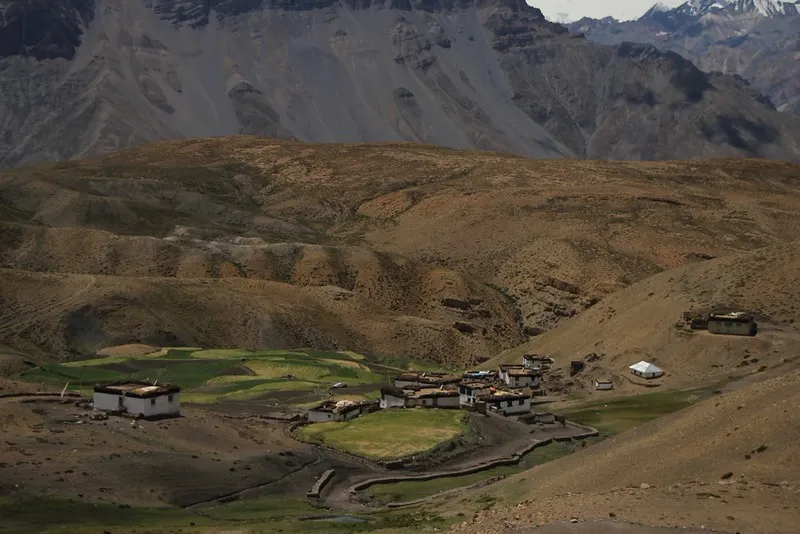

The Kedarkantha Trek is one of those adventures that stays with you long after you return home. Imagine walking through silent pine forests covered in fresh snow, waking up to breathtaking Himalayan sunrises, and standing on a summit where snow-capped peaks stretch as far as you can see. That is exactly why Kedarkantha has become one of India's most popular trekking destinations.
Located in the Uttarkashi district of Uttarakhand, the trek is known for being beginner-friendly while still offering the thrill of a real Himalayan climb. At 12,500 feet (3,810 metres), the summit provides spectacular views without requiring technical mountaineering skills.
If you're planning your first trek or looking for an unforgettable winter holiday, this guide will help you understand everything about the Kedarkantha Trek—from the route and itinerary to the best season, costs, and preparation tips.
Why Should You Choose the Kedarkantha Trek?
Every year, thousands of trekkers choose Kedarkantha over dozens of other Himalayan treks. The reason is simple—it offers incredible rewards without demanding years of trekking experience.
I still remember speaking to a first-time trekker who had never seen snowfall before. He expected the summit to be the highlight, but later admitted that walking through snow-covered forests in complete silence became his favourite memory. That is the magic of Kedarkantha. Sometimes, the journey is even more beautiful than the destination.
Some of the biggest reasons to choose this trek include:
- Beginner-friendly trail
- Reliable snowfall during winter
- Beautiful campsites
- Stunning sunrise summit
- Easy accessibility from Dehradun
- Short trekking duration
- Incredible mountain photography opportunities
Whether you're travelling solo or with friends, Kedarkantha offers an experience that suits almost everyone.
Where Is Kedarkantha?
The Kedarkantha Trek is located inside the Govind Pashu Vihar National Park in Uttarkashi district, Uttarakhand.
The trek begins from Sankri Village, a peaceful Himalayan village surrounded by forests and traditional wooden houses. Sankri itself is a lovely destination and offers a glimpse into the simple mountain lifestyle of the region.
The village sits at an altitude of approximately 1,950 metres (6,400 feet) and acts as the starting point for several famous Himalayan treks.
Kedarkantha Trek Overview
| Information | Details |
|---|---|
| Location | Uttarkashi, Uttarakhand |
| Base Village | Sankri |
| Maximum Altitude | 12,500 ft (3,810 m) |
| Trek Distance | Around 20 km |
| Trek Duration | 4 Days |
| Total Trip | 5–6 Days |
| Difficulty Level | Easy to Moderate |
| Best Time | December to April |
The Kedarkantha Trek Route
The classic Kedarkantha route is well-marked and followed by most trekking companies.
Day 1 – Dehradun to Sankri
Your journey begins in Dehradun.
The drive takes around 8 to 10 hours, passing through beautiful valleys, rivers, and mountain villages like Purola, Mori, and Netwar.
Once you reach Sankri, you'll check into a guesthouse and spend the evening preparing for the trek.
Day 2 – Sankri to Juda Ka Talab
Distance: Approximately 4 kilometres
The first trekking day introduces you to dense forests filled with pine and oak trees.
During winter, snow covers the trail, making every step feel magical.
Juda Ka Talab is a small high-altitude lake that often freezes during the colder months. Camping beside this frozen lake is an unforgettable experience.
Day 3 – Juda Ka Talab to Kedarkantha Base Camp
The climb becomes slightly steeper as you move above the tree line.
Soon the forests open into wide snowfields with magnificent views of the surrounding mountains.
The base camp is one of the most scenic campsites in Uttarakhand. Watching the sunset from here is an experience you'll remember for years.
Day 4 – Summit Day
Most trekking groups begin climbing around 2:30 AM.
Walking under a sky full of stars is an adventure in itself.
The final section is steep but manageable for most trekkers.
Once you reach the summit, you'll enjoy breathtaking views of famous Himalayan peaks, including:
- Swargarohini
- Bandarpoonch
- Black Peak
- Ranglana
- Gangotri Peaks
- Yamunotri Range
After spending time at the summit, you'll descend towards Hargaon and continue your journey back.
Day 5 – Return to Sankri
The final day is mostly downhill through beautiful forests.
After reaching Sankri, most trekkers either stay overnight or begin the drive back to Dehradun.
Best Time to Do the Kedarkantha Trek
The experience changes with every season.
Winter (December to February)
Winter is the most popular season because of heavy snowfall.
You'll enjoy:
- White forests
- Frozen campsites
- Snow-covered trails
- Crystal-clear mountain views
Night temperatures often fall below -10°C.
Spring (March and April)
Spring offers pleasant weather with snow remaining at higher elevations.
The forests become greener, and colourful rhododendron flowers begin to bloom.
This season is perfect if you want snow without extremely cold temperatures.
Summer (May and June)
The snow gradually melts, revealing green meadows and clear mountain trails.
The weather becomes comfortable, making it ideal for families and beginners.
Autumn (September to November)
Autumn offers dry weather and excellent visibility.
The skies remain clear, making it one of the best seasons for landscape photography.
Monsoon (July and August)
Heavy rain makes the trails slippery and less safe.
Most trekking operators avoid running batches during this period.
How Difficult Is the Kedarkantha Trek?
The Kedarkantha Trek is considered an easy to moderate trek.
That means beginners can complete it with proper preparation.
However, don't underestimate the mountains.
The summit day involves:
- Walking in cold weather
- Climbing steep sections
- Trekking at high altitude
- Covering several kilometres in one day
A positive attitude and good fitness make a huge difference.
Fitness Preparation
You don't need gym-level fitness.
Instead, focus on building stamina.
A simple one-month routine can include:
- Walking 5 kilometres every day
- Light jogging
- Stair climbing
- Squats
- Lunges
- Stretching exercises
The fitter you are, the more you'll enjoy the trek instead of struggling through it.
Weather at Kedarkantha
Winter weather is cold but beautiful.
Typical temperatures are:
| Season | Day | Night |
|---|---|---|
| Winter | 2°C to 10°C | -5°C to -10°C |
| Spring | 8°C to 15°C | -2°C to 5°C |
Weather changes quickly in the mountains, so always carry layered clothing.
How Much Does the Trek Cost?
Most trekking companies charge between ₹6,000 and ₹12,000.
The package usually includes:
- Accommodation
- Camping
- Meals
- Trek leader
- Local guides
- Forest permits
- Sleeping bags
- Safety equipment
Transport to Dehradun is generally not included.
Packing List
Packing correctly makes your trek safer and more comfortable.
Clothing
- Thermal wear
- Fleece jacket
- Down jacket
- Waterproof jacket
- Trekking trousers
- Woollen gloves
- Warm cap
- Extra socks
Gear
- Trekking shoes
- Backpack
- Rain cover
- Water bottles
- Sunglasses
- Sunscreen
- Torch or headlamp
- Power bank
- Personal medicines
Avoid carrying heavy unnecessary items.
Food and Accommodation
Accommodation is simple but comfortable.
You'll stay in:
- Guesthouses at Sankri
- Tents during the trek
Meals are freshly prepared and usually include:
- Breakfast
- Lunch
- Evening snacks
- Soup
- Dinner
Most trekking companies serve only vegetarian food during the trek.
Mobile Network
Mobile signals work in Sankri but become unreliable once the trek begins.
Internet access is almost non-existent on the trail.
Instead of worrying about social media, enjoy a few days away from screens. The mountains are worth your full attention.
Safety Tips
Although Kedarkantha is considered safe, following a few precautions is important.
- Stay hydrated.
- Walk at your own pace.
- Never leave the marked trail.
- Follow your trek leader's instructions.
- Wear proper trekking shoes.
- Carry warm clothing.
- Inform your guide if you feel unwell.
Good preparation prevents most problems.
Responsible Trekking
The Himalayas deserve our respect.
Help protect them by:
- Carrying your waste back.
- Avoiding plastic bottles.
- Respecting local culture.
- Not disturbing wildlife.
- Using reusable water bottles.
- Keeping noise levels low.
Simple habits help preserve these beautiful mountains.
Frequently Asked Questions
Is Kedarkantha good for beginners?
Yes. It is widely considered one of India's best beginner-friendly Himalayan treks.
How long is the trek?
The trekking distance is approximately 20 kilometres.
What is the summit height?
The summit stands at 12,500 feet (3,810 metres).
Which month has the most snowfall?
January usually receives the heaviest snowfall, although good snow is common from December to February.
Can I do the trek without a guide?
While experienced trekkers sometimes trek independently, beginners should join an organised trekking group for safety and local support.
Final Thoughts
The Kedarkantha Trek is much more than a winter holiday. It is an opportunity to slow down, breathe fresh mountain air, and discover the beauty of the Himalayas one step at a time. The peaceful forests, snowy trails, and unforgettable summit views create memories that stay with you long after the trek ends.
If this is your first Himalayan adventure, Kedarkantha is one of the safest and most rewarding places to begin. Prepare well, pack wisely, respect the mountains, and enjoy every moment of the journey. Often, the best part of the trek is not just reaching the summit but everything you experience along the way.





















Sign in to leave a comment.