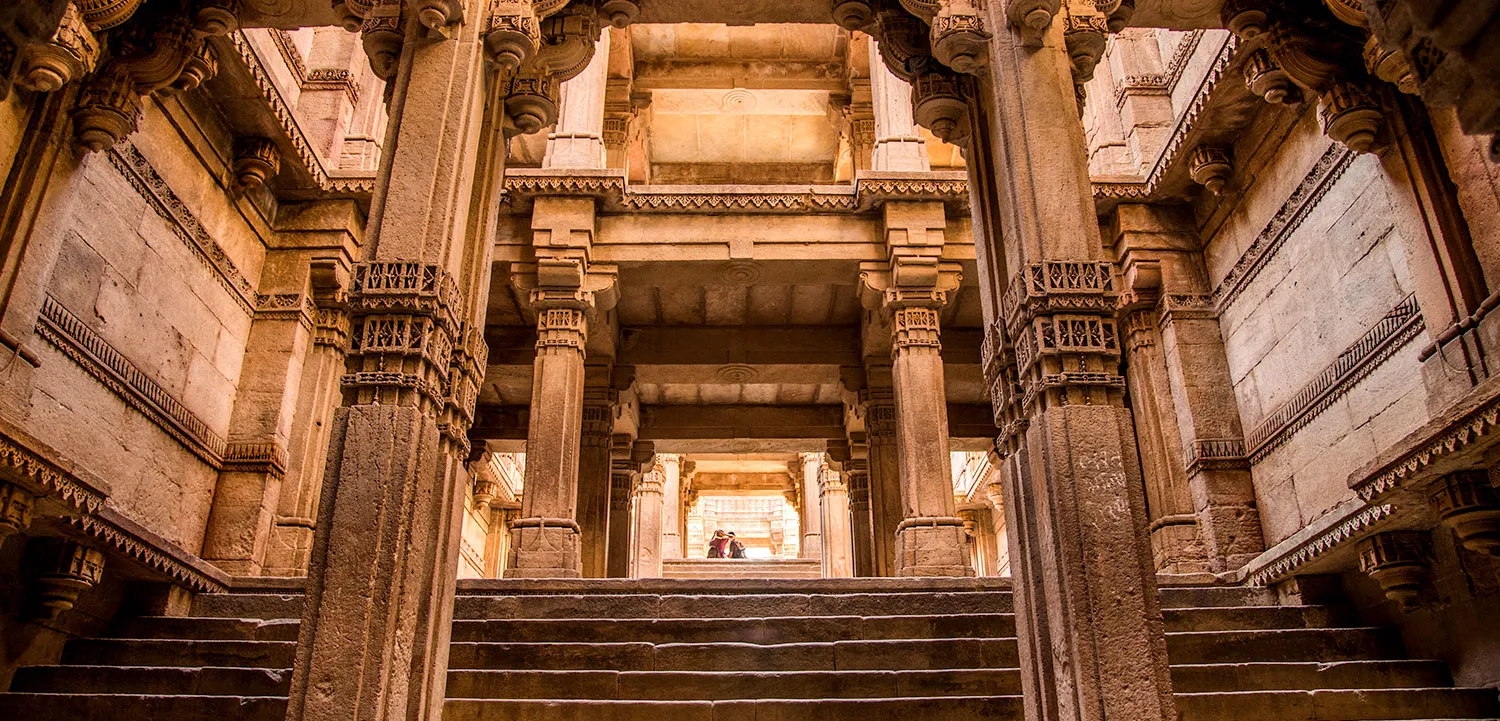

The golden hour in Gujarat carries a unique clarity, especially when you are standing at the precipice of history. Tucked away just a short drive from the bustling centers of Ahmedabad, the Adalaj Stepwell, known locally as Adalaj ni Vav, stands as a monumental tribute to Solanki-style architecture. For photographers, historians, and travelers alike, this subterranean marvel offers an unparalleled visual journey through time. Documenting this structure requires more than just pointing a lens; it demands an understanding of light, geometry, and the deep emotional narrative carved into the very stone.
Understanding the Architectural Canvas
Built in 1498 by Queen Rudabai in memory of her husband, Rana Veer Singh, the stepwell is a five-story deep underground structure designed to collect water and offer respite to travelers. Architecturally, it is a brilliant fusion of Islamic floral patterns and Hindu symbolism, showcasing the rich cultural amalgamation of the era.
When you first approach the site, the ground appears relatively flat, giving little indication of the architectural symphony hidden below. As you descend, the temperature drops noticeably, and the ambient noise of the outside world fades, replaced by a serene coolness. The stepwell is built on a North-South axis, with three entrance gates leading to a grand subterranean platform. This deliberate spatial alignment creates a complex play of light and shadow throughout the day, making it a dream destination for visual storytellers looking to capture heritage travel experiences.
Mastering the Subterranean Light Play
Photographically, the biggest challenge and opportunity at Adalaj Stepwell is managing the high-contrast lighting environments. The sun penetrates the open octagonal wells at distinct angles, creating intense beams of light that illuminate specific levels while leaving the surrounding corridors in deep, atmospheric shadow.
To capture the true essence of this historical monument, timing is everything. Arriving early in the morning, just as the complex opens, allows you to witness the soft, indirect morning light filtering down the five storeys. This early window provides a beautifully balanced exposure across the intricate stone carvings without the harsh glare of the midday sun. The golden afternoon light, conversely, creates dramatic long shadows through the pillars, accentuating the depth and scale of the subterranean architecture. Utilizing a tripod and shooting in manual mode ensures that you can balance the bright highlights of the sky openings with the rich textures of the deep stone basements.
Framing Symmetries and Leading Lines
The design of Adalaj ni Vav is rooted in impeccable mathematical precision. Every pillar, beam, and arch aligns perfectly to guide the eye deeper toward the central pool at the lowest level. As a photographer, leveraging these inherent leading lines will instantly give your compositions a sense of grandeur and structure.
Position yourself at the primary northern entrance to capture the classic descending view. By alignment along the central axis, the successive rows of ornately carved pillars frame each lower level, creating a powerful tunnel effect that symbolizes a descent into the past. For a more dynamic perspective, explore the side galleries and shoot across the central octagonal openings. This allows you to capture the repeating patterns of the balconies and the delicate stone brackets that support the upper platforms. The contrast between the rigid geometric architecture and the organic patterns of the carvings provides endless opportunities for creative framing.
Documenting the Stories Carved in Stone
Beyond the grand scale of the architecture lie the intimate details that showcase the masterful craftsmanship of the Solanki artisans. The pillars and walls are adorned with an array of carvings, ranging from mythological scenes and deities to daily life representations, such as women churning butter, musicians performing, and kings inspecting their lands.
Capturing these intricate reliefs requires a dedicated lens approach. A fast prime lens or a telephoto zoom allows you to isolate specific carvings from the background, highlighting the depth of the chisel marks and the texture of the weathered sandstone. Look out for the famous Ami Khumb (pot of water of life) and the Kalpavriksha (tree of life) motifs carved from single blocks of stone. These elements tell the profound story of water conservation, spiritual devotion, and artistic freedom in ancient India, transforming your photographs from simple travel snapshots into informative historical documents.
Planning Your Photographic Heritage Excursion
A successful photography trip to the stepwell requires careful logistical planning, particularly regarding your choice of base accommodation. Exploring heritage sites demands significant physical energy, making a comfortable and well-connected stay essential. For those seeking premium hospitality, staying at the best 5 star hotel in Ahmedabad provides the perfect combination of modern luxury, exceptional dining, and seamless connectivity to the SG Highway, ensuring quick transit to Adalaj and other regional historical landmarks.
For travelers expanding their western Indian heritage itinerary toward Rajasthan to capture the majestic lakeside palaces and historic forts, finding top-tier amenities is equally vital. Ensuring you book a reputable business hotel in udaipur will grant you access to excellent business centers, restorative spa facilities, and strategic proximity to transport hubs, keeping your photographic journey smooth and highly productive across state lines.
Preserving the Visual Legacy
Photographing the Adalaj Stepwell is ultimately an exercise in patience and cultural preservation. Each frame captured contributes to the ongoing documentation of India’s irreplaceable architectural heritage, serving as a visual bridge between ancient engineering marvels and modern historical appreciation.
As you pack your gear at the end of the day, take a moment to look down into the cool depths without the viewfinder. The realization that this magnificent structure has stood resilient for over half a millennium leaves a lasting impression. Through thoughtful composition, deliberate use of ambient light, and an appreciation for historical context, your visual journey through Adalaj will result in a compelling photographic portfolio that honors the timeless spirit of Gujarat’s historical craftsmanship.
























Sign in to leave a comment.