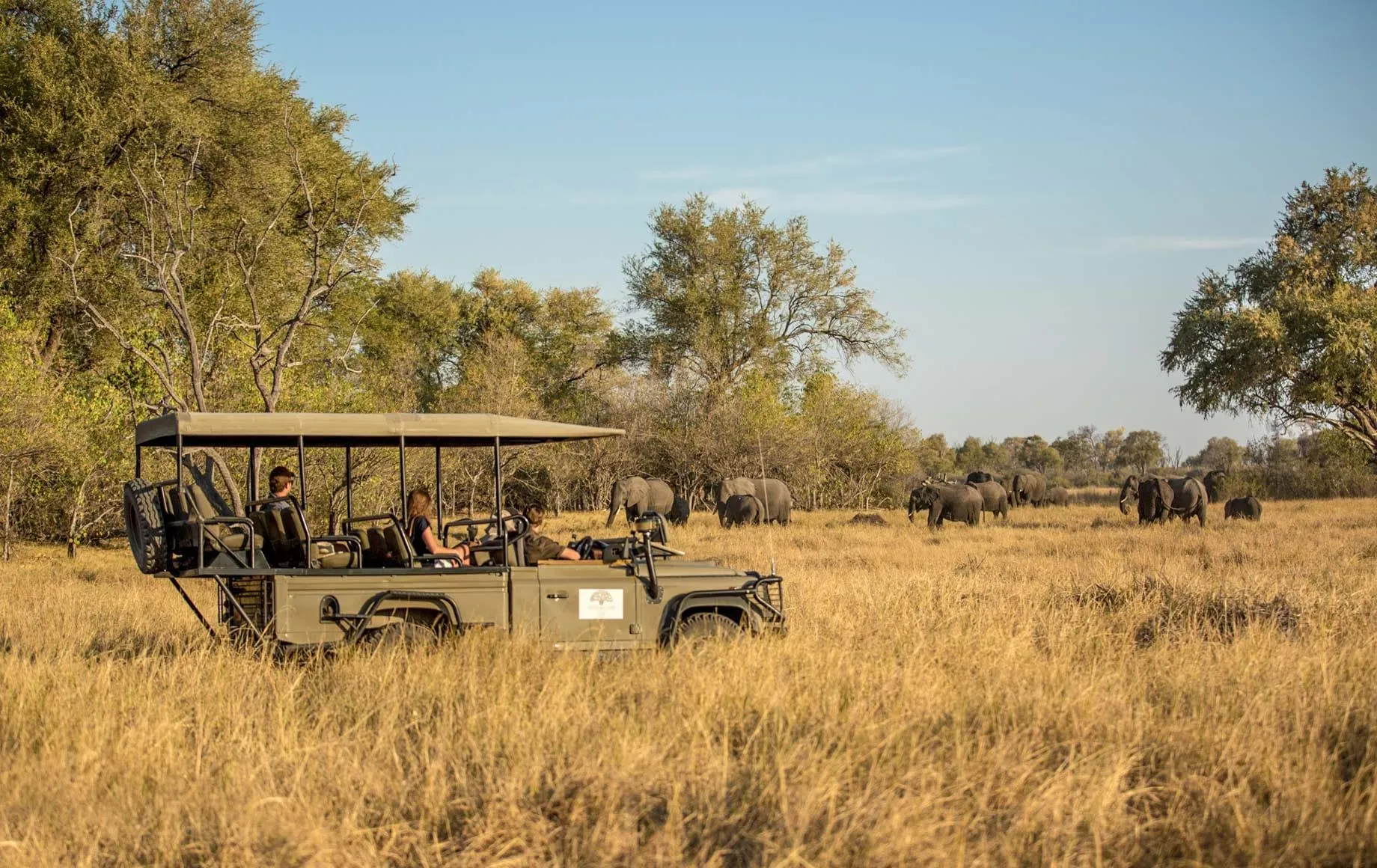

There's a moment every safari-goer remembers. Maybe it's the crack of dawn light spilling gold across the Maasai Mara, catching the dust kicked up by a herd of wildebeest mid-crossing. Maybe it's the low, chest-rattling rumble of a lion's roar somewhere beyond your tent at 2 a.m., close enough that you stop breathing to listen. Or maybe it's simpler than that - a leopard draped over an acacia branch, watching your vehicle with the kind of indifference only an apex predator can afford.
We get asked constantly: "When is the best time for an African safari?" "What wildlife will I actually see?" "What's a real safari holiday like out there?" Instead of guessing, we went back through thousands of photographs from our own guests and guides - our gallery - and let the images answer. Turns out, a season of photos tells you more about safari planning than any brochure ever could. Here's what we learned, and how you can use it to build the tailor-made African safari itinerary you've been dreaming about.
Best Time for an African Safari: What the Photos Reveal
Scroll through a year's worth of safari images and a pattern emerges almost immediately: the light, the landscape, and the animals themselves change dramatically month to month. Africa isn't one safari - it's a dozen different ones, depending on when you show up.
Dry Season (June to October): The Classic African Safari
This is when our gallery gets crowded with the images people picture when they close their eyes and think "safari." The bush thins out, water becomes scarce, and animals abandon their hiding spots in favor of the few remaining rivers and waterholes. Photographers love it because:
- Visibility is at its peak - no thick grass blocking your shot of a pride at rest
- Wildlife concentrates around water sources, making sightings more predictable
- Skies stay clear for those postcard-perfect sunsets over the plains
- July through September lines up with the Great Migration river crossings in the Maasai Mara - the single most photographed safari event in Africa
If your dream image is a leopard silhouetted against an orange sky, or a river churning with crossing wildebeest and waiting crocodiles, this is your window.
Green Season (November to May): The Secret Serengeti Safari
Look closer at our gallery and you'll notice something else - a different kind of beauty in the shots from the wetter months. The bush turns emerald, storm clouds stack up dramatically over the horizon, and newborn animals stumble around on wobbly legs.
- Calving season (roughly January to March in the Serengeti) means baby impalas, wildebeest, and zebra everywhere - and the predators that follow them
- Bird life explodes with migratory species and vivid breeding plumage
- Fewer vehicles at sightings, since crowds thin out
- Rates typically drop, stretching your budget further
There's no wrong season, honestly - just a different story depending on what you're after. And this is exactly where planning a seamless African safari itinerary can get overwhelming fast, juggling migration patterns, park closures, and camp availability. Working with specialists in tailor-made African safaris like Bushbound Africa Safaris means someone who's tracked these patterns for years builds your calendar around what you actually want to see, not just what's convenient to book.
Safari Wildlife: What the Photos Reveal Beyond the Big Five
Here's a fun exercise: sort your safari photo folder by species, and you'll quickly realize the "Big Five" - lion, leopard, elephant, buffalo, rhino - barely scratches the surface of what actually ends up in frame.
The Headliners
- Lions dominate the gallery, usually mid-yawn, mid-nap, or draped over each other in a heap. They sleep up to 20 hours a day, so patience (and a good guide who knows their territory) pays off.
- Elephants show up in nearly every album, often mid-dust-bath or shepherding a calf between towering legs.
- Leopards are the rarest catch - solitary, silent, masters of camouflage. Getting one in frame is a genuine trophy shot.
The Underrated Stars
Ask any of our repeat guests and they'll tell you the animals that surprised them most weren't on the Big Five list at all:
- Cheetahs perched on termite mounds, scanning the horizon like sentries
- Hyena clans at dusk, their whooping calls carrying for miles
- Giraffes silhouetted against a setting sun, impossibly graceful for something so ungainly
- Hippos surfacing in unison, snorting spray into the morning light
The lesson from the gallery is simple: go in expecting the checklist animals, but leave room to fall in love with something you never planned for.
The Luxury Safari Camp Experience: What the Photos Reveal
Beyond the animals, our gallery tells a quieter story - the textures and rhythms of a day at a luxury safari camp.
The Morning Drive
Every early shot has the same feel: mist still clinging to the grass, breath visible in the cold air, guests wrapped in blankets with steaming mugs of coffee before sunrise. Mornings are when predators are most active, and the light is soft enough to photograph without harsh shadows.
The Midday Pause
Camp photos from midday show a different pace entirely - guests lounging by a plunge pool, journaling on a shaded deck, or simply watching a waterhole from a hammock while the heat keeps most animals resting too.
The Golden Hour Drive
This is where the gallery gets its most dramatic shots - dust hanging in slanted light, silhouettes of acacia trees, that specific burnt-orange glow that makes every photo look painted rather than taken.
Around the Fire
And then night falls, and the images shift again - firelight on faces, star-scattered skies with zero light pollution, and somewhere out there, that distant roar reminding you exactly whose territory you're a guest in.
African Safari Packing List: Quick Tips Based on What Gets Used Most
Our guides have seen every packing mistake imaginable. Here's what actually earns its space in the bag:
- Neutral-colored clothing (khaki, olive, tan) - avoid bright colors and pure white
- A warm layer for early morning drives, even in the dry season
- Binoculars - genuinely non-negotiable, not a luxury
- A dust-proof camera bag or cover
- Broad-spectrum sunscreen and a wide-brim hat
- Comfortable, closed-toe shoes for walking safaris
- A portable charger - you'll shoot more photos than you expect
Choosing Your Own Safari Story
Here's the truth our gallery keeps confirming: there's no single "best" safari. There's only the best safari for you - the one matched to your season, your bucket-list animals, and the pace you actually want. Some travelers want the drama of a river crossing. Others want a quiet morning with a cheetah family and nobody else around for miles.
That's the real value in working with people who've done this hundreds of times before. Building the right route, timing it against migration patterns, and matching camps to your style of travel is a puzzle with a lot of moving pieces - and it's one worth handing to a team that lives and breathes it.
Frequently Asked Questions
Is it safe to go on a family safari in Africa with young children?
Yes, with the right planning. Many camps welcome children and offer family-friendly game drives, shorter outings, and kid-focused activities like junior ranger programs. Some lodges do set minimum age requirements for certain activities (like walking safaris), so it's worth confirming ahead of time which camps and parks suit your children's ages.
What vaccines or health precautions do I need before an African safari?
Requirements vary by country and region, but commonly recommended vaccines include yellow fever, hepatitis A and B, typhoid, and routine boosters like tetanus. Malaria prevention (usually antimalarial tablets) is also standard for most safari destinations. Always confirm specific requirements with a travel health clinic based on your itinerary, since regulations differ between countries.
How many days do I need for a proper safari?
Five to seven days is generally the sweet spot - enough time to explore two or three different areas or ecosystems without feeling rushed, and enough game drives to account for the natural unpredictability of wildlife sightings. Shorter trips (three to four days) work for a single-park focus, while longer itineraries (ten-plus days) suit travelers combining multiple countries or adding a beach extension.
Ready to turn these images into your own memories? Whether you're chasing the thunder of a migration crossing or the quiet hush of a golden-hour drive, Bushbound Africa Safaris can build an itinerary around exactly the safari you've been picturing. Let's start planning.


























Sign in to leave a comment.