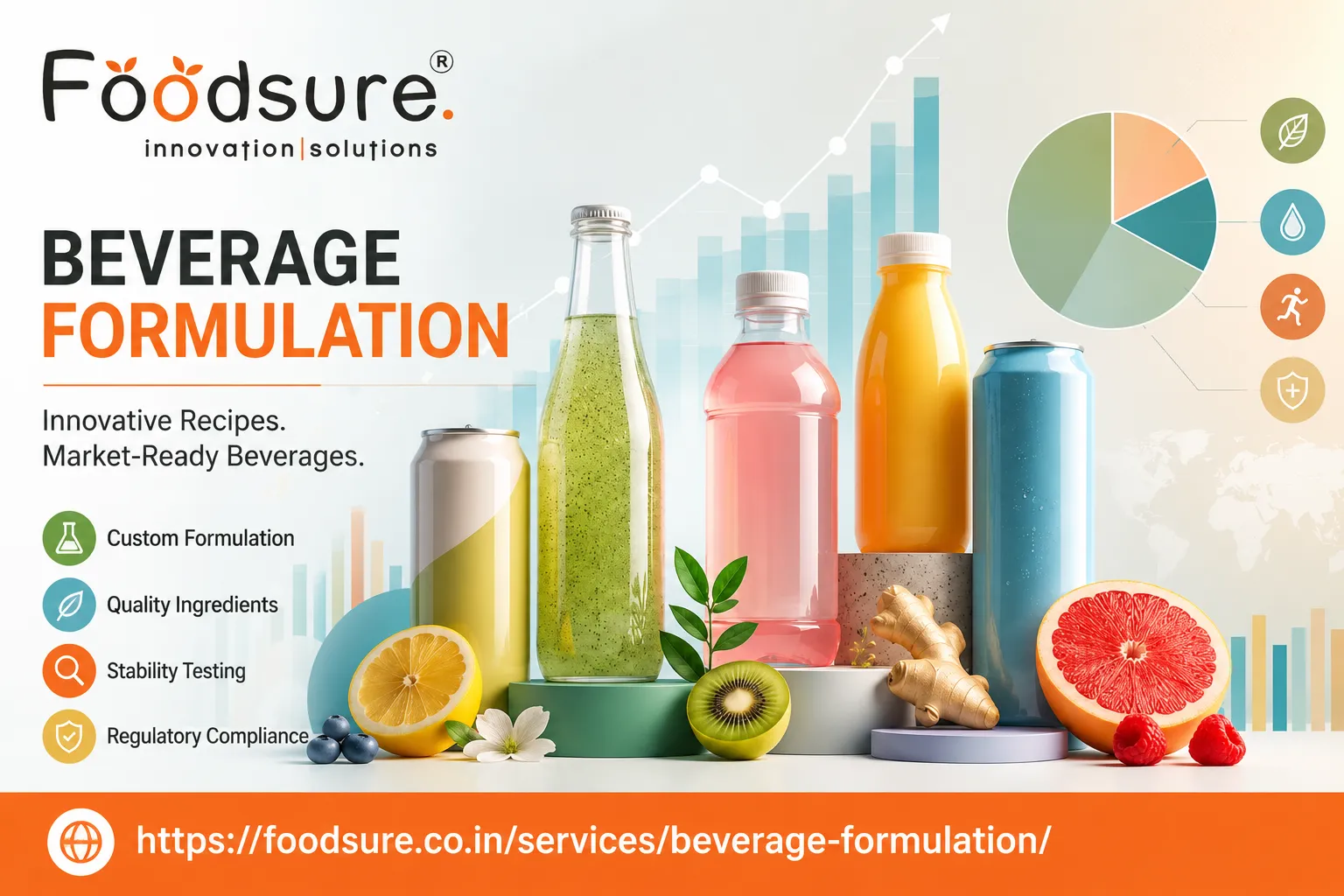

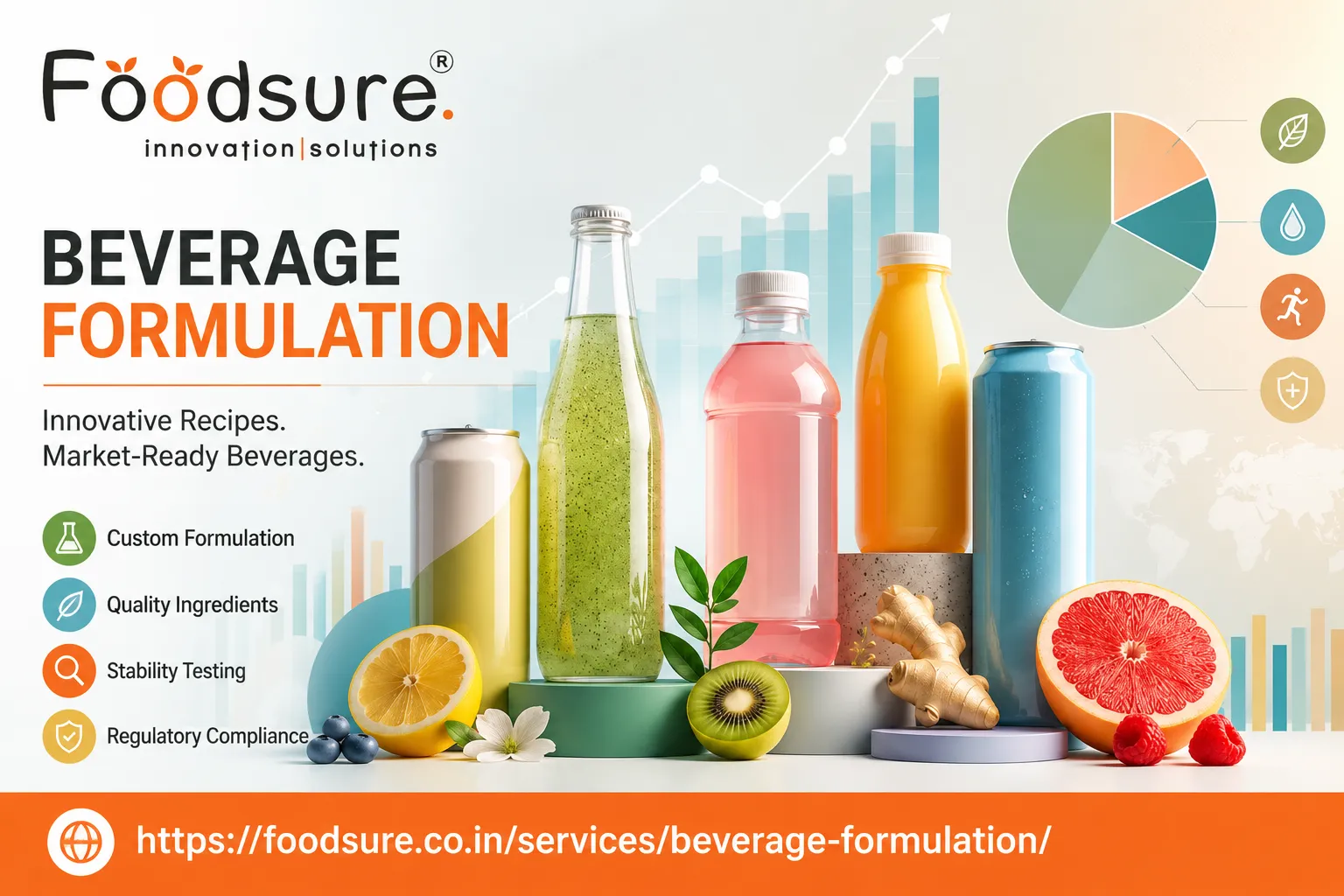
The beverage industry is evolving faster than ever, with consumers demanding healthier, more innovative, and more personalized drink options. Whether it's a functional health drink, a ready-to-drink beverage, or a traditional favorite with a modern twist, Beverage Formulation is the foundation on which every successful product is built. Getting the formulation right isn't just about taste — it's about balancing flavor, stability, shelf life, nutrition, and regulatory compliance, all while keeping production scalable and cost-effective.
What is Beverage Formulation?
At its core, Beverage Formulation is the scientific and creative process of designing a drink recipe that meets specific taste, nutritional, and functional goals. It involves selecting the right combination of ingredients — water, sweeteners, acids, flavors, preservatives, colors, and functional additives — and testing them repeatedly to achieve a consistent, high-quality product. This process requires expertise in food science, chemistry, and sensory evaluation, because even small changes in ingredient ratios can dramatically alter taste, texture, and stability.
A well-executed Beverage Formulation ensures that a drink not only tastes great on day one but continues to perform consistently throughout its shelf life, whether it's stored at room temperature, refrigerated, or exposed to varying transportation conditions.
Why Beverage Formulation Matters for Brands
Launching a beverage without proper formulation support is one of the most common reasons new drink brands fail. Here's why getting your Beverage Formulation right from the start is so important:
1. Consistency Across Batches
Consumers expect the same taste every time they pick up a bottle or can. Proper formulation ensures batch-to-batch consistency, which builds brand trust and loyalty.
2. Shelf Stability
Without the right pH balance, preservative system, and packaging compatibility, beverages can separate, discolor, or spoil prematurely. A solid formulation process addresses these risks early.
3. Regulatory Compliance
Every region has specific food safety and labeling regulations. A professional approach to beverage formulation ensures your product meets FSSAI, FDA, or other relevant standards without last-minute surprises.
4. Cost Efficiency
Formulating with scalability in mind helps avoid expensive reformulations later. Getting the recipe right the first time saves both money and time-to-market.
The Step-by-Step Beverage Formulation Process
Understanding how the process works can help brand owners collaborate more effectively with their formulation partners.
Step 1: Concept Development
Every project starts with a concept — is it a functional drink, a carbonated soft drink, a juice-based beverage, or a dairy alternative? This stage defines the target audience, flavor profile, and key selling points.
Step 2: Ingredient Selection
This is where beverage recipe formulation experts evaluate raw materials based on functionality, cost, availability, and compliance. Natural vs. artificial flavors, sweeteners, and preservatives are carefully weighed against brand positioning.
Step 3: Recipe Development and Testing
This stage involves detailed beverage recipe development, where small-batch trials are created and refined. Formulators adjust sweetness, acidity, mouthfeel, and aroma until the product matches the desired sensory profile.
Step 4: Stability and Shelf-Life Testing
Once a promising formula is developed, it undergoes accelerated and real-time stability testing to predict how the product will behave over weeks or months under different storage conditions.
Step 5: Scale-Up and Production Trials
The final formula is tested at a larger scale to ensure it performs the same way in commercial production as it did in the lab.
Step 6: Packaging and Compliance Finalization
Formulation isn't complete without confirming compatibility with packaging materials and finalizing nutritional labeling as per regulatory norms.
Key Trends Shaping Beverage Formulation Today
The beverage industry is being reshaped by shifting consumer preferences, and formulation strategies must keep pace:
- Functional Beverages: Drinks infused with vitamins, probiotics, adaptogens, and immunity boosters are in high demand.
- Clean Label Products: Consumers want recognizable, natural ingredients with minimal processing.
- Low-Sugar and Zero-Sugar Options: Formulators are exploring natural sweeteners like stevia and monk fruit to reduce sugar without compromising taste.
- Plant-Based and Dairy Alternatives: Oat, almond, and soy-based beverages require unique formulation approaches for taste and texture.
- Sustainability: Ingredient sourcing and packaging choices increasingly reflect eco-conscious values.
Staying updated on these trends allows brands to formulate beverages that are not only delicious but also aligned with current market demand.
Common Challenges in Beverage Formulation
Even experienced brands face hurdles during the formulation process:
- Flavor Masking: Functional ingredients like protein or vitamins can introduce bitterness or off-notes that need to be balanced carefully.
- pH and Preservation Balance: Achieving microbial safety without compromising taste is a delicate act.
- Ingredient Sourcing: Sourcing consistent, high-quality raw materials at scale can be difficult, especially for natural ingredients.
- Regulatory Hurdles: Different markets have different rules regarding additives, labeling, and health claims.
Partnering with experienced formulation experts helps brands navigate these challenges efficiently, reducing trial-and-error time and accelerating product launch timelines.
Why Work with a Professional Beverage Formulation Partner
While some startups attempt in-house formulation, working with a specialized team offers significant advantages. A trusted beverage formulation company develops products using advanced lab facilities, experienced food scientists, and access to a wide network of ingredient suppliers. This reduces development time, minimizes costly mistakes, and ensures the final product is both market-ready and compliant with food safety standards.
Professional partners also bring valuable market insight, helping brands identify gaps in the market and formulate beverages that stand out on crowded store shelves or digital marketplaces.
Tips for Brands Starting Their Beverage Formulation Journey
If you're planning to launch a new drink, here are a few practical tips:
- Start with a clear brand vision and target consumer profile.
- Prioritize taste testing with real consumers early in the process.
- Don't skip stability testing, even if it feels like an extra step.
- Work with formulation experts who understand both science and market trends.
- Keep scalability in mind from day one to avoid costly reformulations later.
Final Thoughts
A great beverage starts long before it reaches store shelves — it begins in the lab, with careful research, testing, and refinement. Investing in professional Beverage Formulation is one of the smartest decisions a brand can make to ensure product consistency, regulatory compliance, and long-term consumer trust. Companies like Foodsure specialize in helping brands transform their beverage concepts into scalable, market-ready products, guiding them through every stage of development with scientific precision and industry expertise.
Frequently Asked Questions (FAQs)
Q1. What is the difference between beverage formulation and beverage manufacturing?
Beverage formulation refers to designing and perfecting the recipe, while manufacturing is the large-scale production process that follows once the formula is finalized.
Q2. How long does the beverage formulation process usually take?
Depending on complexity, it can take anywhere from a few weeks to several months, especially if stability testing and regulatory approvals are involved.
Q3. Can existing beverage recipes be reformulated?
Yes, existing products can be reformulated to reduce sugar, improve shelf life, remove artificial ingredients, or adapt to new market trends.
Q4. Is beverage formulation only for large companies?
No, small and emerging brands can also access professional formulation support to compete effectively with established players.
Q5. What factors affect the cost of beverage formulation?
Cost depends on ingredient complexity, number of trial batches, testing requirements, and whether custom functional ingredients are used.























Sign in to leave a comment.