

The beverage industry is constantly evolving as consumers demand healthier, more innovative, and better-tasting products. From functional drinks and energy beverages to plant-based alternatives and hydration solutions, brands must continuously innovate to stay competitive. This is where beverage research and development plays a crucial role. It helps companies transform ideas into market-ready products that meet consumer expectations while ensuring quality, safety, and profitability.
A successful beverage is not created by chance. Behind every popular drink is a structured research and development process that involves ingredient selection, formulation, testing, optimization, and regulatory compliance. Companies that invest in strong R&D capabilities are better positioned to launch products that stand out in a crowded marketplace.
What is Beverage Research and Development?
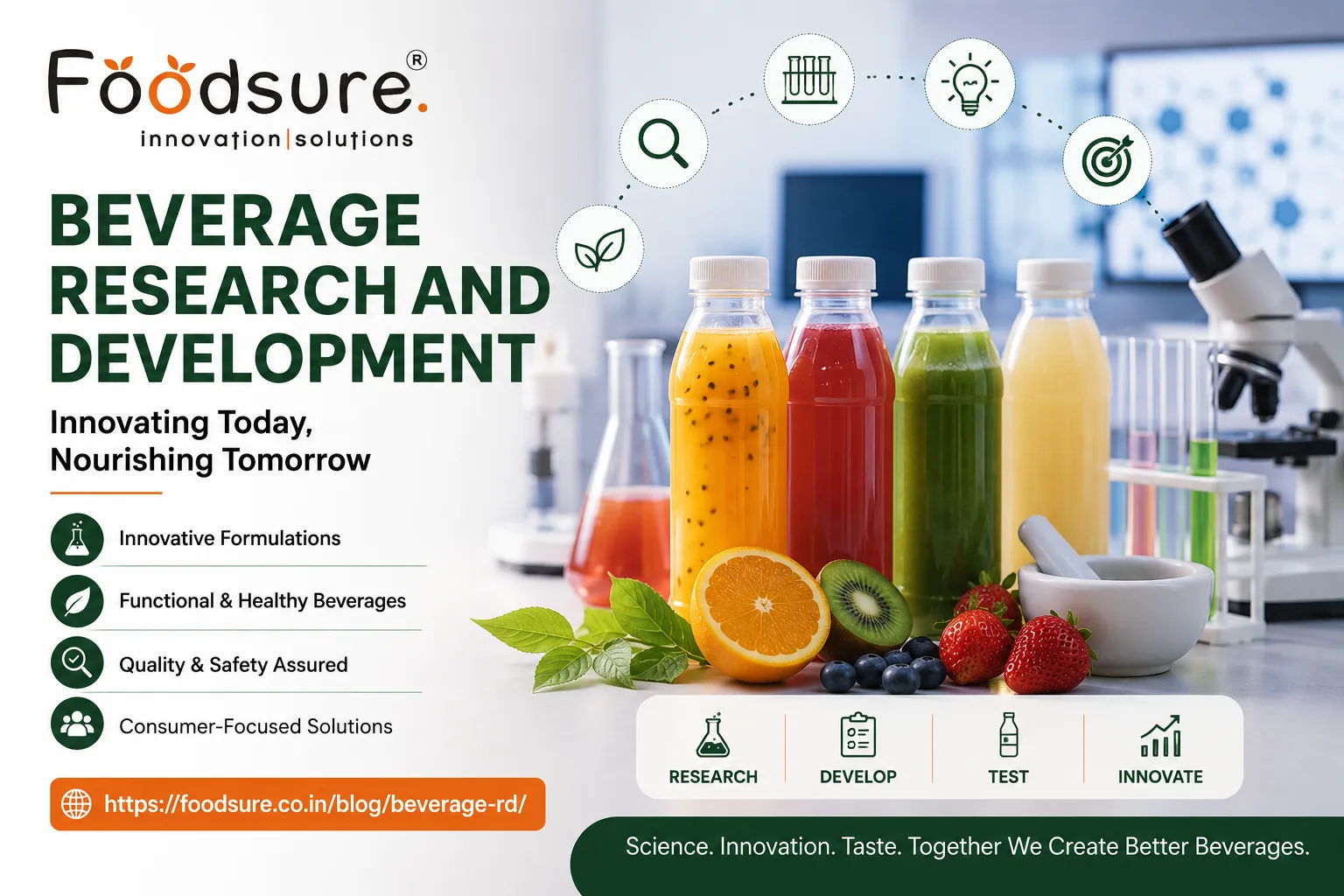
Beverage research and development refers to the systematic process of designing, testing, improving, and commercializing beverage products. The objective is to create beverages that deliver the desired taste, functionality, nutritional value, and shelf-life stability while meeting market demands.
The process combines food science, consumer insights, ingredient technology, and manufacturing expertise. Whether developing a completely new beverage or improving an existing one, R&D ensures that every aspect of the product is carefully evaluated before launch.
Why Beverage R&D Matters
The beverage market is highly competitive, and consumer preferences continue to change rapidly. Research and development help brands adapt to these changes by creating products that align with emerging trends and customer expectations.
Key benefits of beverage R&D include:
- Development of innovative beverage concepts
- Improved product quality and consistency
- Enhanced flavor and sensory experience
- Better shelf-life performance
- Regulatory compliance
- Cost optimization
- Faster product commercialization
Without a strong R&D strategy, brands may struggle to differentiate themselves or maintain product quality over time.
The Beverage Research and Development Process
1. Market Research and Concept Development
Every successful beverage starts with a well-defined concept. Product developers analyze consumer trends, competitor products, and market opportunities to identify gaps that new beverages can fill.
Factors considered during this stage include:
- Target audience
- Beverage category
- Health and wellness trends
- Flavor preferences
- Functional benefits
- Pricing strategy
A clear product concept provides the foundation for the entire development process.
2. Ingredient Research and Selection
Choosing the right ingredients is one of the most important stages of beverage research and development. Ingredients influence taste, texture, appearance, nutritional value, and product stability.
Common beverage ingredients include:
- Natural flavors
- Fruit concentrates
- Sweeteners
- Vitamins and minerals
- Plant extracts
- Functional ingredients
- Preservatives
- Stabilizers
Each ingredient must be carefully evaluated for performance, compatibility, and regulatory acceptance.
3. Beverage Formulation and Prototype Development
Once ingredients have been selected, formulators begin creating beverage prototypes. Multiple versions are often developed to evaluate flavor profiles, sweetness levels, acidity balance, and functionality.
This stage involves extensive experimentation and refinement to achieve the desired product characteristics. Small adjustments can significantly impact consumer acceptance and overall product success.
4. Functional Ingredient Innovation
The growing demand for health-focused beverages has increased interest in advanced formulation strategies such as functional beverage formulation 2026. Consumers are increasingly seeking beverages that provide benefits beyond basic hydration.
Popular functional ingredients include:
- Electrolytes
- Adaptogens
- Botanical extracts
- Protein blends
- Probiotics
- Prebiotics
- Antioxidants
- Energy-supporting compounds
R&D teams work to incorporate these ingredients while maintaining taste, stability, and manufacturing feasibility.
Product Testing and Validation
Testing is a critical component of the development process. Before a beverage reaches the market, it must undergo multiple evaluations to ensure quality and performance.
Sensory Testing
Sensory analysis measures consumer responses to:
- Taste
- Aroma
- Mouthfeel
- Appearance
- Overall acceptance
Consumer feedback helps developers refine the product before commercialization.
Stability Testing
One of the most important aspects of beverage research and development is ensuring that the beverage remains stable throughout its intended shelf life.
Testing evaluates:
- Flavor retention
- Color stability
- Ingredient separation
- Microbial safety
- Packaging compatibility
These assessments help identify potential issues before production begins.
Scaling Up for Commercial Production
A beverage that performs well in a laboratory environment may require modifications for large-scale manufacturing. During scale-up, developers assess:
- Processing methods
- Production efficiency
- Equipment compatibility
- Ingredient sourcing
- Packaging solutions
The goal is to ensure that product quality remains consistent during commercial manufacturing.
Regulatory Compliance and Quality Assurance
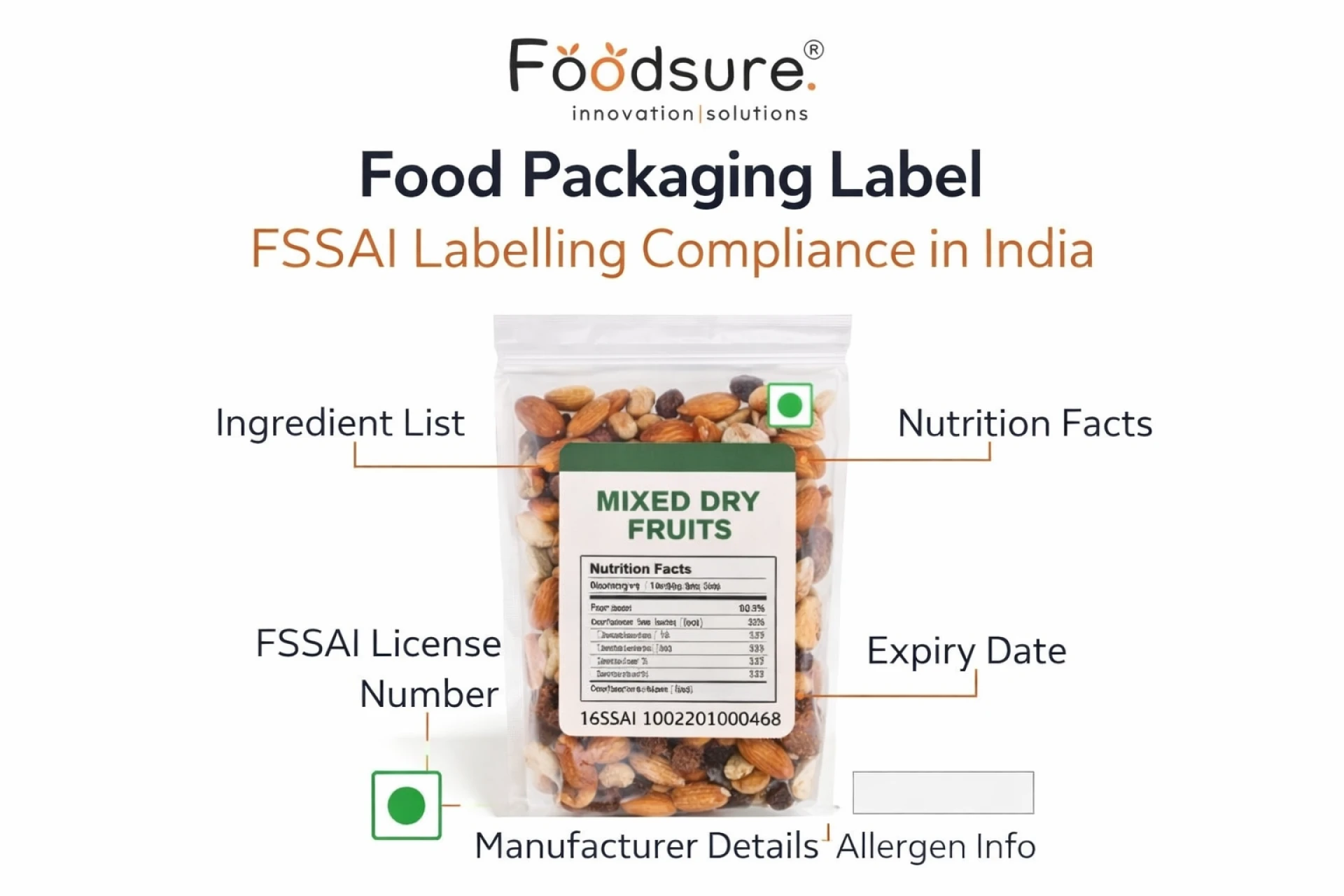
Regulatory compliance is essential for every beverage product. R&D teams verify that ingredients, claims, and labels comply with applicable food regulations.
Key compliance considerations include:
- Ingredient approvals
- Nutritional labeling
- Allergen declarations
- Health claims
- Product safety standards
Meeting these requirements helps brands avoid delays, recalls, and legal complications.
Emerging Trends Driving Beverage Innovation
Several trends are shaping the future of beverage development:
Clean Label Formulations
Consumers increasingly prefer products with recognizable ingredients and minimal additives.
Low-Sugar Beverages
Demand for reduced-sugar and naturally sweetened beverages continues to grow.
Plant-Based Drinks
Plant-based innovation remains one of the fastest-growing segments in the beverage industry.
Personalized Nutrition
Customized beverages designed for specific consumer needs are gaining attention.
Sustainable Product Development
Brands are focusing on environmentally responsible ingredients, packaging, and production methods.
These trends create new opportunities for innovation through strategic research and development efforts.
Challenges in Beverage Development
Despite technological advancements, beverage developers often face challenges such as:
- Maintaining ingredient stability
- Balancing taste and functionality
- Managing production costs
- Meeting regulatory requirements
- Achieving scalability
- Ensuring consumer acceptance
A structured R&D approach helps address these challenges while reducing product development risks.
Conclusion
Innovation is the driving force behind growth in the beverage industry, and beverage research and development serves as the foundation for creating successful products. Through careful ingredient selection, formulation, testing, and optimization, brands can develop beverages that meet evolving consumer demands while ensuring quality and compliance. Companies like Foodsure support beverage businesses throughout the R&D journey, helping transform innovative ideas into commercially successful products.
FAQs
1. What is beverage research and development?
Beverage research and development is the process of creating, testing, improving, and commercializing beverage products to ensure quality, functionality, and market success.
2. Why is beverage R&D important?
It helps companies develop innovative products, improve quality, ensure compliance, and meet changing consumer preferences.
3. What happens during beverage formulation?
Formulation involves selecting ingredients, developing recipes, optimizing flavor, and ensuring product stability.
4. How long does beverage development take?
The timeline varies depending on product complexity, testing requirements, and regulatory considerations, typically ranging from several weeks to several months.
5. What are functional beverages?
Functional beverages contain ingredients that provide additional health or wellness benefits beyond basic hydration.
6. Can beverage formulations be customized for specific markets?
Yes, formulations can be tailored to meet regional regulations, consumer preferences, nutritional goals, and market trends.






















Sign in to leave a comment.