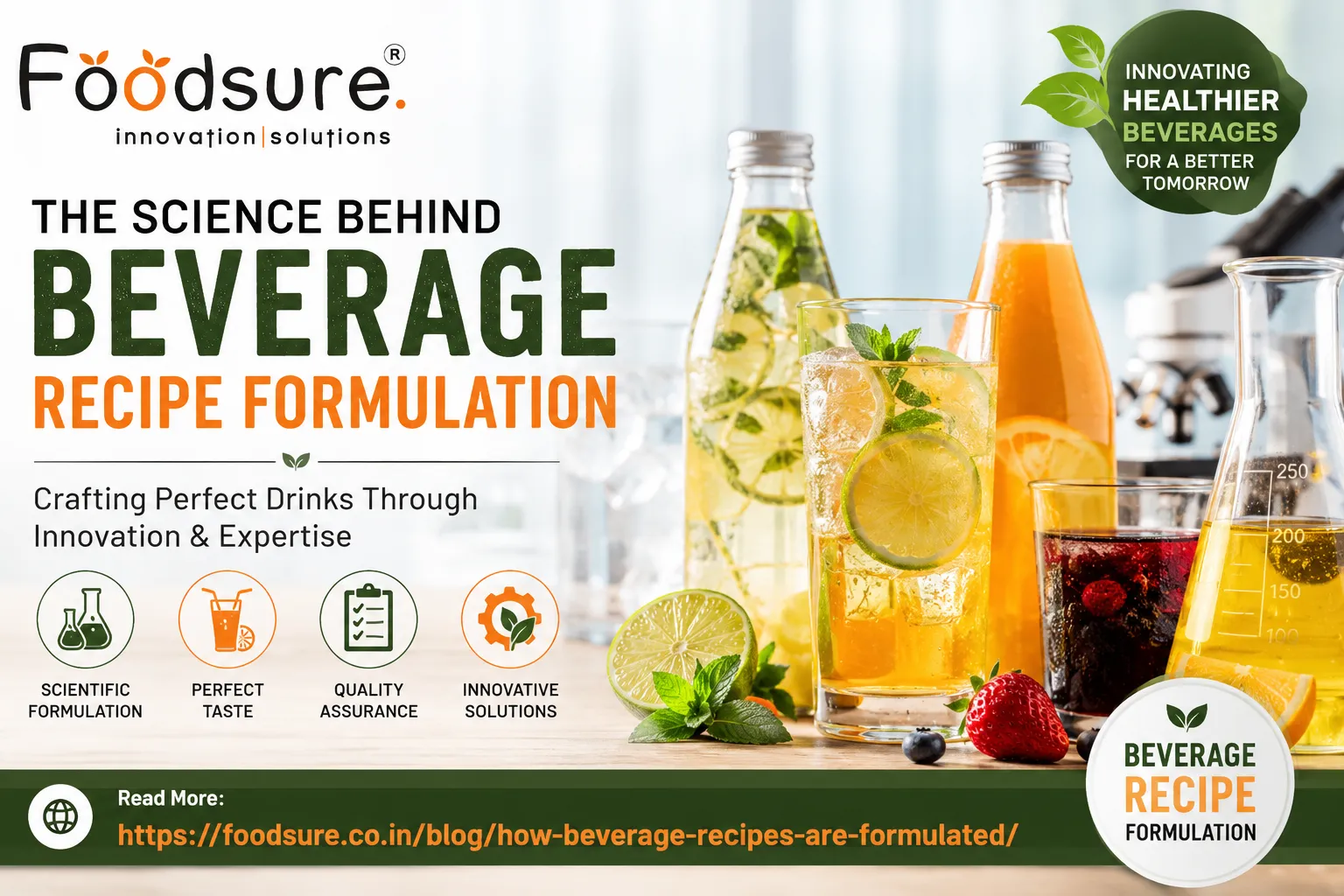

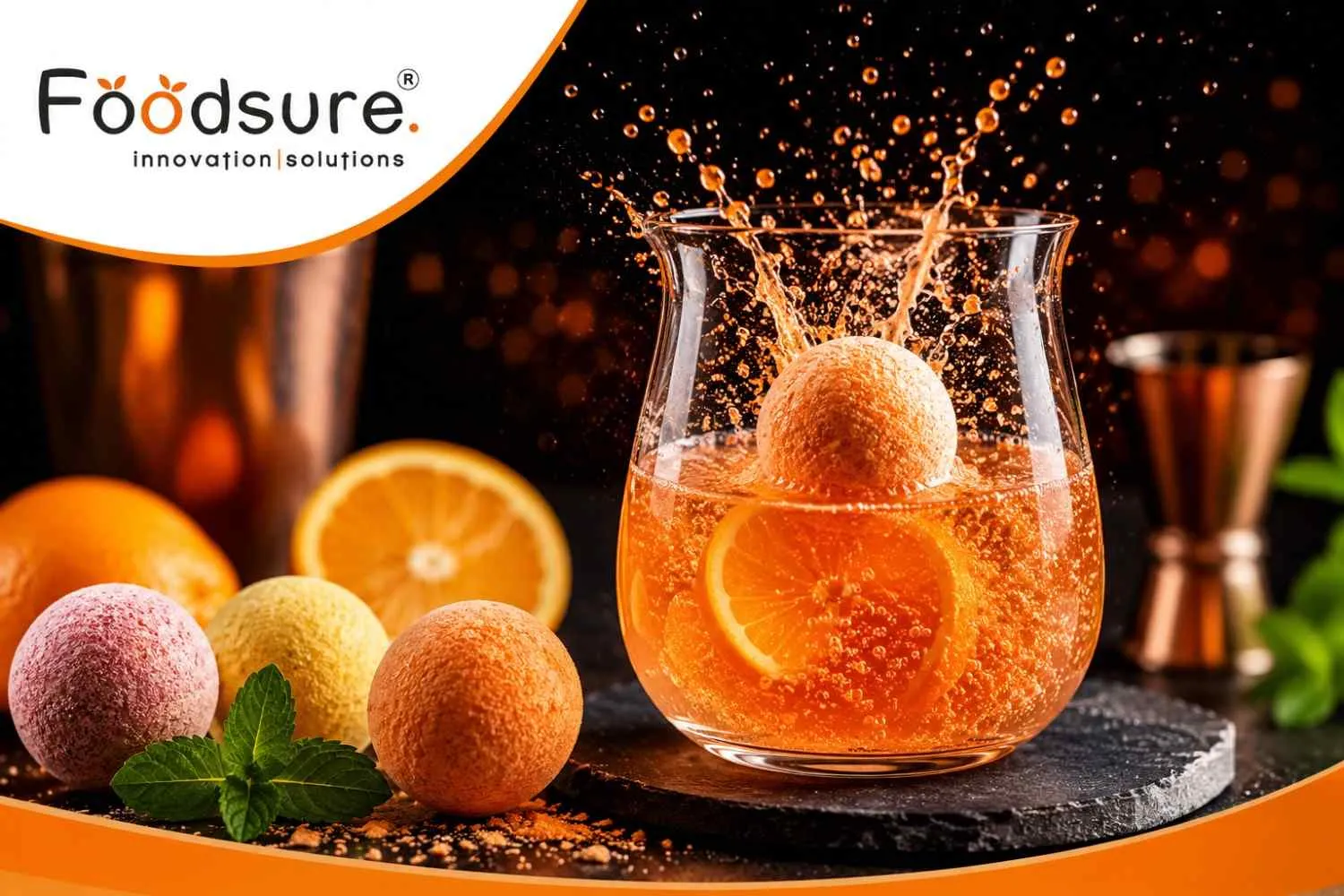
The beverage industry continues to evolve as consumers seek healthier, tastier, and more functional drinks. Whether it's energy beverages, herbal drinks, sparkling water, fruit-based refreshments, or functional wellness products, success begins with beverage recipe formulation. A carefully planned formulation ensures that a beverage delivers the right taste, nutritional value, consistency, and shelf stability while meeting regulatory standards.
A successful beverage formulation process requires scientific knowledge, ingredient selection, product testing, and manufacturing expertise. Businesses that invest in proper formulation can create beverages that stand out in a competitive market while meeting changing consumer expectations.
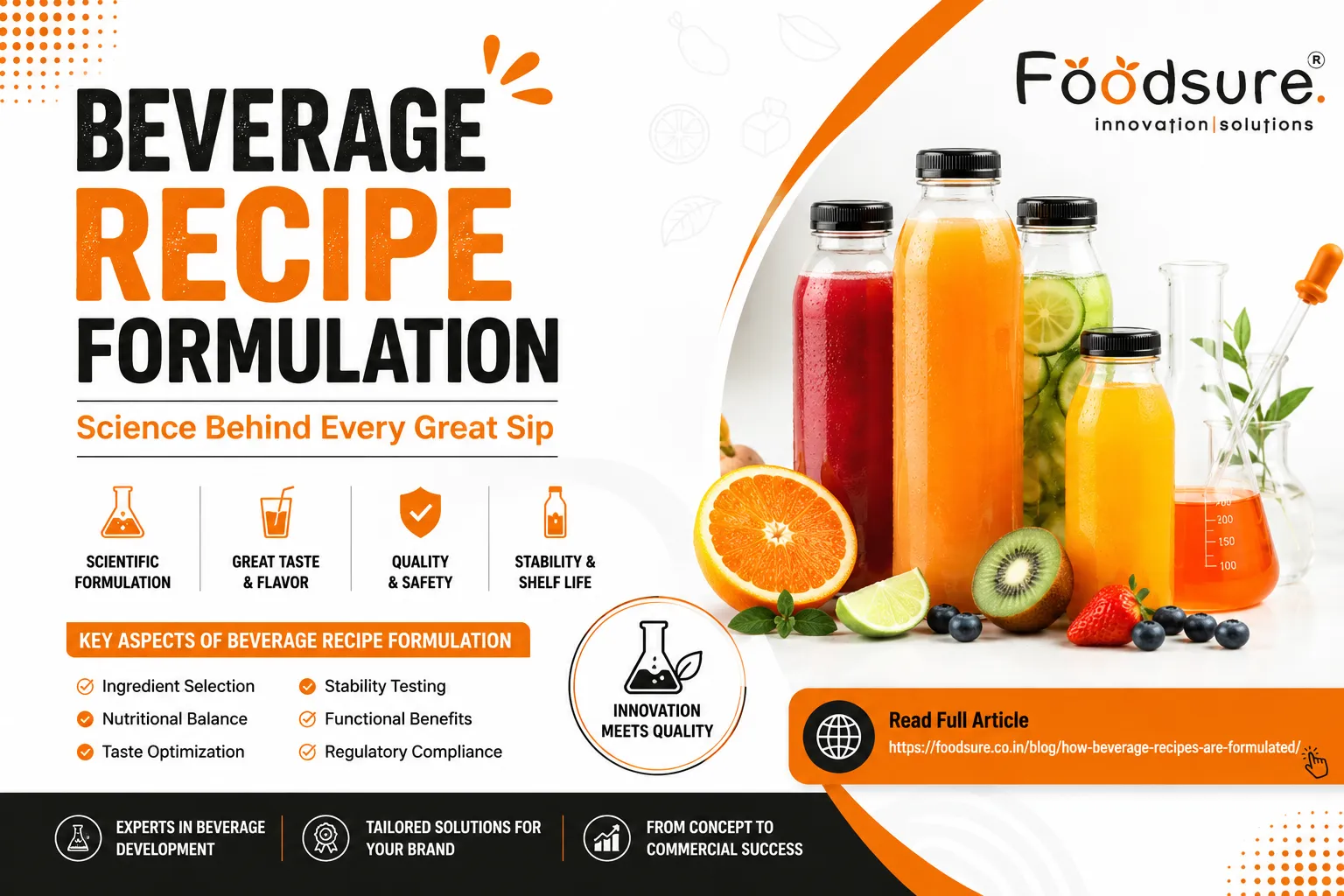
Understanding Beverage Formulation
Beverage formulation is the process of designing a drink by selecting ingredients, determining their proportions, testing different combinations, and refining the final product. The objective is to achieve the desired flavor, texture, appearance, nutritional profile, and shelf life.
From concept development to commercial production, every stage requires precision. Even a small adjustment in ingredients can significantly impact the taste and stability of the final beverage.
Why Beverage Formulation Matters
A professionally formulated beverage offers several advantages:
- Consistent taste across every batch
- Improved shelf stability
- Better nutritional balance
- Compliance with food safety regulations
- Enhanced customer satisfaction
- Efficient production and reduced manufacturing losses
A well-developed formulation also allows brands to scale production without compromising quality.
Step-by-Step Process of Beverage Formulation
1. Define the Product Concept
Every successful beverage starts with a clear vision. Decide whether the product will be:
- Energy drink
- Functional beverage
- Herbal drink
- Sports drink
- Carbonated beverage
- Fruit-based drink
- Plant-based beverage
Understanding the target audience helps determine ingredients, flavor profile, sweetness level, and nutritional goals.
2. Ingredient Selection
Choosing high-quality ingredients is one of the most important stages in beverage development.
Typical ingredients include:
- Water
- Fruit concentrates
- Natural flavors
- Botanical extracts
- Sweeteners
- Vitamins and minerals
- Functional ingredients
- Preservatives
- Stabilizers
- Acidity regulators
The compatibility of these ingredients plays a major role in creating a stable and appealing beverage.
Creating the Perfect Beverage Recipe
Developing an excellent drink requires repeated testing and refinement. During beverage recipe formulation, experts experiment with different ingredient combinations to achieve the ideal balance of sweetness, acidity, aroma, texture, and mouthfeel.
Several laboratory trials are conducted before finalizing the commercial recipe. These trials ensure that the beverage performs consistently during production and storage.
Flavor Development and Optimization
Flavor is often the deciding factor in consumer preference.
The formulation team evaluates:
- Sweetness intensity
- Natural flavor retention
- Aroma profile
- Color consistency
- Mouthfeel
- Aftertaste
Multiple sensory evaluations help identify the best-performing formula before production begins.
Functional Ingredient Integration
Modern consumers increasingly look for beverages that provide health benefits.
Popular functional ingredients include:
- Electrolytes
- Caffeine
- Adaptogens
- Probiotics
- Protein
- Herbal extracts
- Antioxidants
- Vitamins
- Minerals
These ingredients must be incorporated carefully without affecting flavor or product stability.
Product Stability Testing
Stability testing ensures that the beverage maintains its quality throughout its intended shelf life.
Testing generally includes:
- pH analysis
- Microbial testing
- Storage evaluation
- Color stability
- Flavor retention
- Packaging compatibility
- Temperature resistance
This stage helps manufacturers identify potential issues before commercial launch.
Regulatory Compliance
Every beverage must comply with applicable food safety regulations.
Manufacturers should ensure:
- Approved ingredient usage
- Proper nutritional labeling
- Ingredient declarations
- Shelf-life validation
- Quality documentation
- Food safety standards
Following regulatory requirements builds customer trust and reduces business risks.
Pilot Production
Before mass manufacturing begins, a pilot batch is produced.
Pilot production helps verify:
- Production efficiency
- Equipment compatibility
- Ingredient performance
- Packaging suitability
- Product consistency
Necessary improvements can be made before full-scale commercialization.
Commercial Manufacturing
Once the formulation is finalized, production moves to commercial manufacturing.
Standardized production procedures ensure:
- Uniform taste
- Accurate ingredient measurements
- Consistent quality
- Reliable packaging
- Efficient production
Quality control teams continuously monitor every production batch.
Choosing the Right Beverage Development Partner
Many businesses searching online for a beverage development company near me are looking for technical expertise, research support, and reliable manufacturing guidance. An experienced development partner can simplify the entire process, from recipe creation and ingredient sourcing to pilot testing, regulatory compliance, and commercial production.
Working with specialists reduces development time while improving the chances of launching a successful beverage in the market.
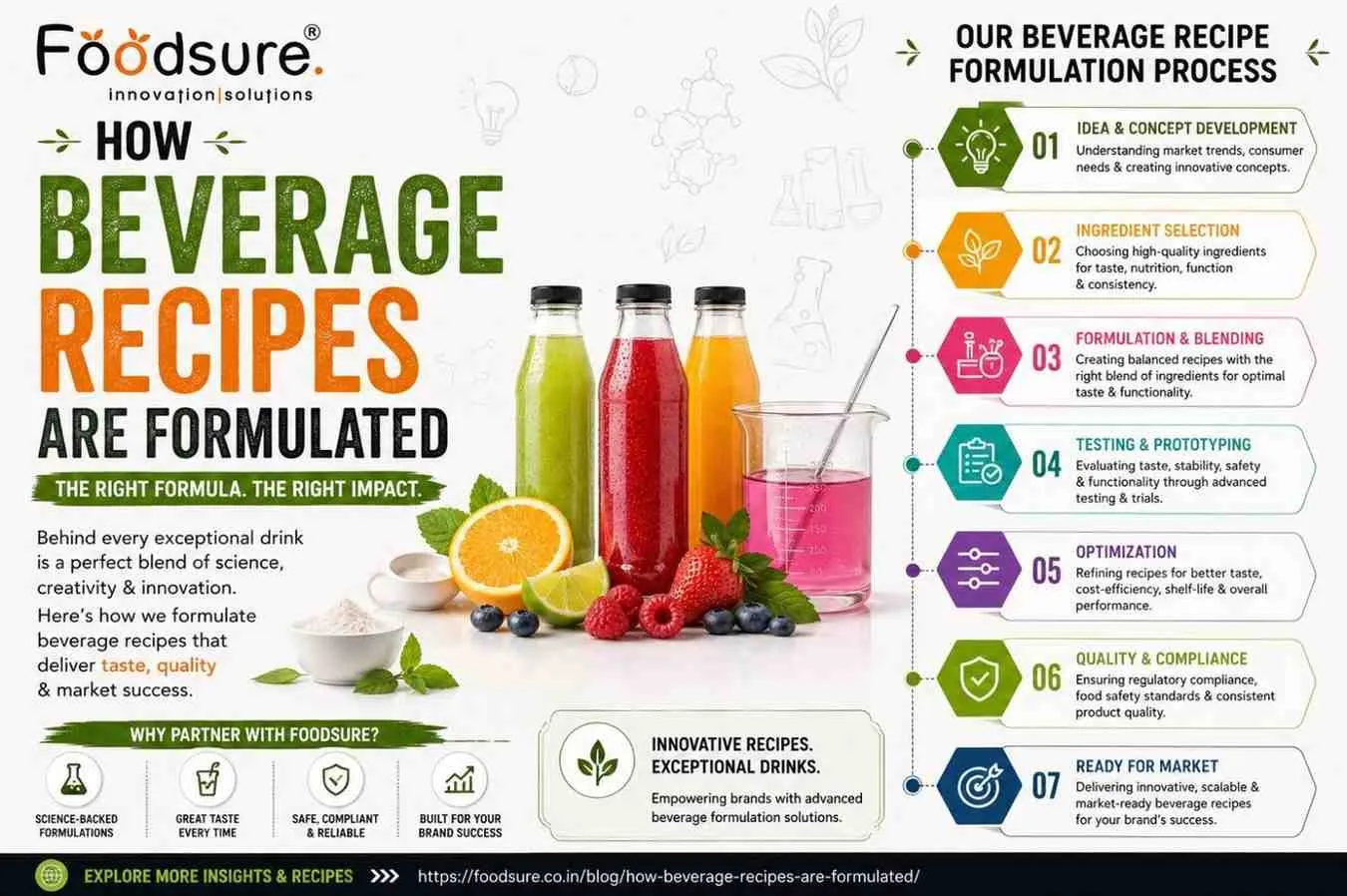
Common Challenges in Beverage Development
Formulating beverages involves several technical challenges, including:
- Flavor instability
- Ingredient incompatibility
- Sedimentation
- Poor shelf life
- Packaging interactions
- Cost optimization
- Regulatory approvals
During beverage recipe formulation, these challenges are addressed through laboratory testing, ingredient optimization, and continuous product refinement to ensure a stable and market-ready beverage.
Future Trends in Beverage Formulation
The beverage industry continues to embrace innovation.
Emerging trends include:
- Clean-label beverages
- Low-sugar formulations
- Functional wellness drinks
- Natural ingredient blends
- Plant-based beverages
- Sustainable packaging
- Personalized nutrition beverages
Companies that adapt to these trends can remain competitive in an evolving marketplace.
FAQs
1. What is beverage formulation?
Beverage formulation is the process of developing a drink by selecting ingredients, balancing flavors, testing stability, and preparing it for commercial manufacturing.
2. Why is recipe formulation important?
A well-designed recipe ensures consistent taste, product safety, nutritional value, shelf stability, and manufacturing efficiency.
3. How long does beverage development usually take?
Depending on product complexity, formulation and testing may take anywhere from a few weeks to several months.
4. What factors influence beverage shelf life?
Shelf life depends on ingredient quality, processing methods, packaging, preservatives, pH levels, and storage conditions.
5. Can a beverage formulation be customized?
Yes. Formulations can be customized according to flavor preferences, nutritional goals, target consumers, regulatory requirements, and production capabilities.
Conclusion
Creating a successful beverage requires more than simply mixing ingredients. It involves research, testing, quality control, regulatory compliance, and continuous refinement to achieve a product that consumers trust and enjoy. Whether launching a functional drink, herbal beverage, sparkling refreshment, or wellness product, investing in beverage recipe formulation helps ensure long-term success. Partnering with experienced professionals like Foodsure can make the beverage development journey more efficient, reliable, and market-ready.

















Sign in to leave a comment.