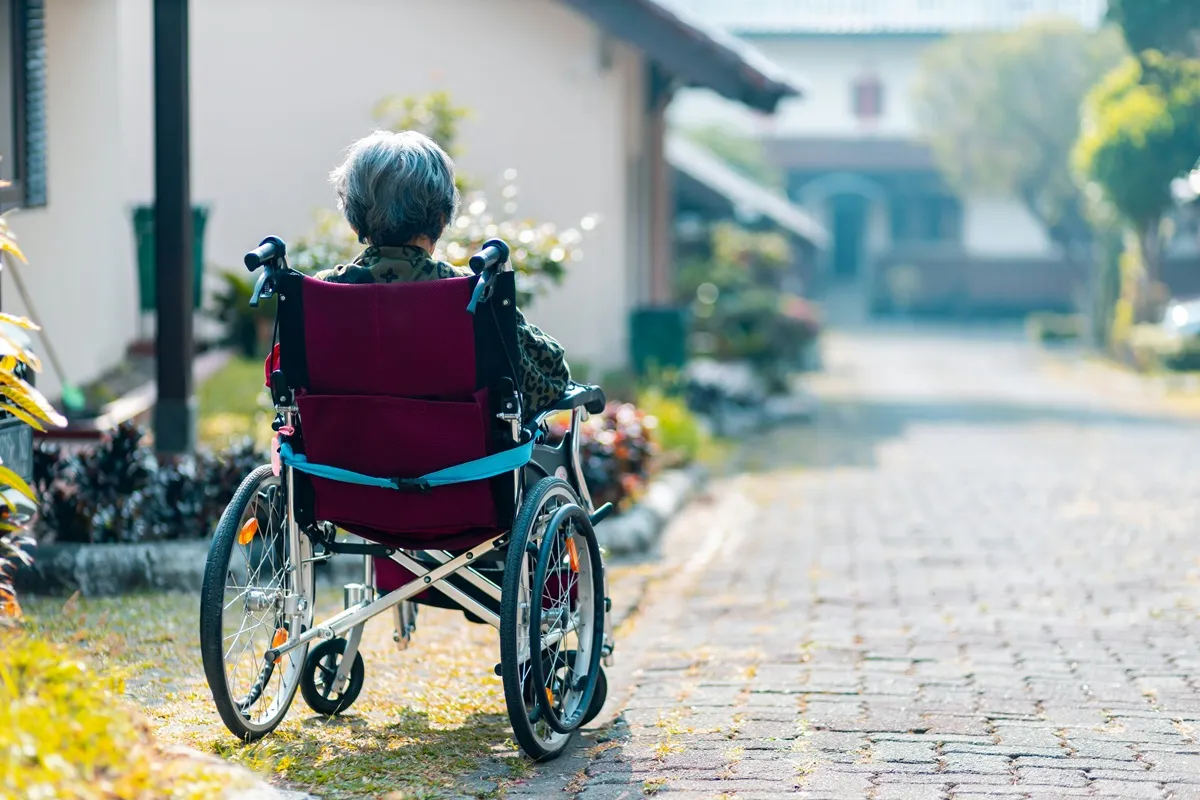

For families caring for an aging parent or relative, there often comes a tipping point. It usually begins with minor lapses—forgetting a grandchild’s name, misplacing keys, or repeating the same question. But when those lapses evolve into severe confusion, mood shifts, or wandering, the reality becomes clear: it isn't just normal aging. It is dementia.
When a loved one is diagnosed with a progressive cognitive condition, families naturally look for support. However, a common mistake is assuming that standard elder care or "basic boarding" is enough.
True memory care requires much more than a secure room and regular meals. It demands an environment specifically designed to handle the unique psychological, emotional, and physical complexities of cognitive decline.
The Cognitive Reality of Dementia
Dementia changes how a person perceives the world. A standard environment can easily become overwhelming, causing anxiety, agitation, or sudden behavioral changes. Basic elder care facilities excel at assisting with daily physical tasks like bathing or dining, but they are rarely equipped to navigate the intricate behavioral shifts that accompany memory loss.
Specialized care recognizes that behavior is often a form of communication. When a senior with dementia becomes anxious or uncooperative, a trained specialist doesn't see a "difficult patient"—they see someone trying to express confusion, pain, or fear.
What Sets Specialized Dementia Care Apart?
If you are evaluating care options for a relative experiencing cognitive decline, look for these vital pillars of professional memory care:
- A Tailored Routine: Cognitive decline strips away a person's internal sense of structure. A specialized team counteracts this by establishing predictable, comforting daily routines that minimize confusion and stress.
- Cognitive and Mental Health Professionals: Managing dementia isn't a job for general staff alone. It requires the oversight of mental health professionals and nurses trained specifically in neurological conditions to monitor changes and adjust care plans dynamically.
- Safety Balanced with Dignity: Safe, secure living areas prevent wandering while still allowing residents the freedom to move, explore gardens, and engage with their surroundings without feeling locked away.
A Model for Compassionate Memory Care
Finding this level of comprehensive support can be challenging, but certain facilities in Sri Lanka are raising the standard. For families seeking dedicated expertise, Jude Elder Care Home stands out by offering a highly specialized dementia care team.
At their facility, the approach goes far beyond traditional boarding. Their team of mental health professionals and skilled nurses works hand-in-hand with residents and their families, providing personalized, continuous care from initial diagnosis through long-term management and recovery. By combining 24-hour medical supervision with an environment that prioritizes emotional safety, they ensure that seniors living with dementia maintain their comfort and dignity.
Finding Peace of Mind for the Whole Family
Choosing specialized care is never about "giving up" on a relative. In fact, it is often the most compassionate decision a family can make.
Dementia caregiving at home frequently leads to severe burnout, straining family relationships and inadvertently compromising the senior's safety. Transitioning your loved one to an environment backed by specialized clinical expertise ensures they receive the exact behavioral, medical, and emotional support they need—allowing you to return to being a supportive, loving child or relative, rather than an exhausted full-time caregiver.




























Sign in to leave a comment.