Liver health often doesn't get much attention until something goes wrong. Unlike many other organs, the liver can continue working even when it's under stress, which is why liver problems may go unnoticed in the early stages. One of the first clues that something may not be right comes from routine blood tests, particularly SGPT (ALT) and SGOT (AST).
If you've recently received a blood test report showing high SGPT or SGOT levels, it's natural to feel concerned. But do elevated numbers always indicate a serious liver disease? The answer is no. In many cases, these enzymes rise temporarily due to common causes such as certain medications, alcohol intake, viral infections, or even strenuous exercise.
Understanding what SGPT and SGOT measure, what their normal ranges are, and when their levels become concerning can help you make informed decisions about your health.
What Are SGPT and SGOT?
SGPT (Serum Glutamic Pyruvic Transaminase), also known as Alanine Aminotransferase (ALT), is an enzyme found mainly in liver cells. When liver cells become damaged or inflamed, ALT leaks into the bloodstream, causing SGPT levels to rise.
SGOT (Serum Glutamic Oxaloacetic Transaminase), also called Aspartate Aminotransferase (AST), is present not only in the liver but also in the heart, muscles, kidneys, and brain. Because AST exists in multiple organs, an elevated SGOT level doesn't always mean there is a liver problem.
Doctors usually evaluate both enzymes together rather than relying on one result alone.
Check your liver health online — Liver Function Test
What Are the Normal SGPT and SGOT Levels?
Although reference ranges may vary slightly between laboratories, typical values are:
| Test | Typical Normal Range |
|---|---|
| SGPT (ALT) | 7–56 U/L |
| SGOT (AST) | 10–40 U/L |
Always interpret your results using the reference range provided by the laboratory that performed your test.
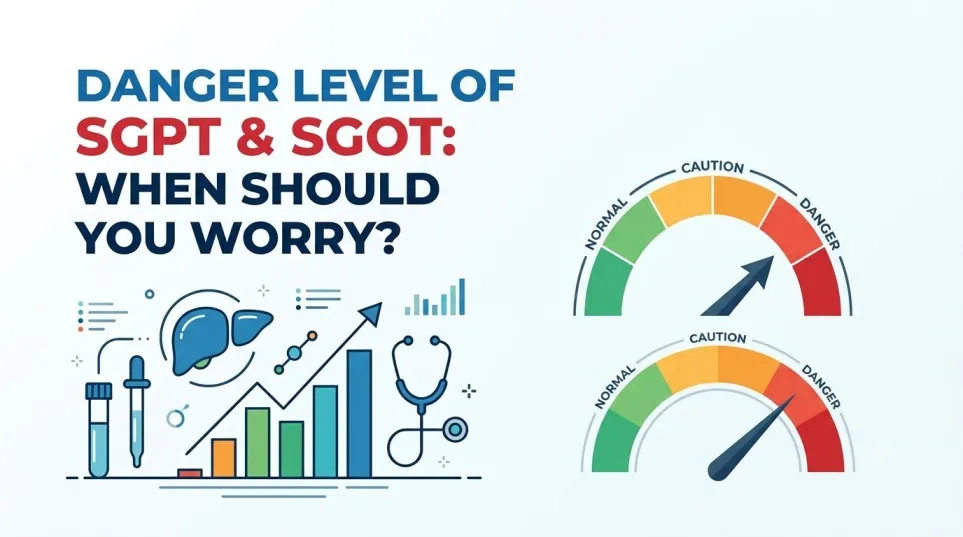
When Do SGPT and SGOT Become Dangerous?
There isn't a single "danger level" that applies to everyone. Doctors usually assess:
- How high the enzyme levels are
- Whether one or both enzymes are elevated
- Your symptoms
- Other liver function test results
- Medical history and medications
In general:
Mild Elevation (Less than 2–3 Times Normal)
This is common and often temporary.
Possible causes include:
- Fatty liver
- Obesity
- Alcohol consumption
- Certain medicines
- Mild viral infections
- Recent intense exercise
Many people with mild elevations have no symptoms.
Moderate Elevation (3–10 Times Normal)
Moderately high levels deserve medical evaluation.
Possible causes include:
- Viral hepatitis
- Drug-induced liver injury
- Gallbladder disorders
- Autoimmune liver diseases
- Chronic liver inflammation
Doctors may recommend repeat testing, imaging, and additional blood investigations.
Severe Elevation (More Than 10 Times Normal)
Very high SGPT or SGOT levels may indicate significant liver injury and require urgent medical assessment.
Possible causes include:
- Acute viral hepatitis
- Severe drug toxicity (such as acetaminophen overdose)
- Liver ischemia (reduced blood supply)
- Severe liver inflammation
This doesn't always mean permanent liver damage, but prompt diagnosis is important.
Symptoms That Should Not Be Ignored
High liver enzymes alone often cause no symptoms. However, seek medical attention if elevated SGPT or SGOT is accompanied by:
- Yellowing of the skin or eyes (jaundice)
- Persistent nausea or vomiting
- Severe abdominal pain, especially on the right side
- Dark-colored urine
- Pale stools
- Extreme tiredness
- Unexplained swelling of the abdomen
- Easy bruising or bleeding
- Confusion or excessive sleepiness
These symptoms may indicate significant liver dysfunction that requires immediate evaluation.
Common Reasons for High SGPT and SGOT
Elevated liver enzymes are associated with many conditions, including:
Fatty Liver Disease
One of the most common reasons worldwide, especially among people who are overweight, have diabetes, or metabolic syndrome.
Viral Hepatitis
Hepatitis A, B, C, and other viral infections can inflame the liver and significantly increase enzyme levels.
Alcohol-Related Liver Disease
Regular heavy alcohol intake can raise both SGOT and SGPT, often with SGOT higher than SGPT.
Medications
Some antibiotics, painkillers, cholesterol-lowering drugs, anti-seizure medications, herbal supplements, and bodybuilding supplements may temporarily increase liver enzymes.
Muscle Injury
Because SGOT is also found in muscles, muscle injuries or intense workouts can increase AST levels even when the liver is healthy.
Is One High Result Always Serious?
Not necessarily.
A single abnormal result should never be interpreted in isolation. Many people have temporary elevations that return to normal after treating the underlying cause or making lifestyle changes.
Doctors often recommend repeating the test after several weeks before making a diagnosis, especially if the elevation is mild and there are no symptoms.
How Are Elevated Liver Enzymes Investigated?
Depending on your situation, your doctor may recommend:
- Complete Liver Function Test (LFT)
- Bilirubin levels
- Alkaline Phosphatase (ALP)
- Gamma-Glutamyl Transferase (GGT)
- Hepatitis screening
- Ultrasound of the liver
- Blood sugar and lipid profile
- Autoimmune liver tests when indicated
These tests help determine whether the liver itself is affected or if another condition is responsible.
Can High SGPT and SGOT Be Reduced Naturally?
If the elevation is related to lifestyle factors, healthy habits often help improve liver health over time.
Your doctor may recommend:
- Maintaining a healthy weight
- Eating a balanced diet rich in fruits, vegetables, whole grains, and lean proteins
- Limiting processed foods and sugary beverages
- Avoiding excessive alcohol
- Exercising regularly
- Managing diabetes and cholesterol
- Taking medications only as prescribed
- Avoiding unnecessary herbal supplements without medical advice
Never stop prescribed medications without consulting your healthcare provider.
When Should You See a Doctor Immediately?
Seek urgent medical care if:
- SGPT or SGOT levels are extremely high
- You develop jaundice
- You experience severe abdominal pain
- Persistent vomiting prevents eating or drinking
- You become unusually drowsy or confused
- You notice bleeding or easy bruising
- You have a known liver disease with worsening symptoms
Early treatment can prevent complications in many liver conditions.
Final Thoughts
Seeing elevated SGPT or SGOT levels on a blood test can be worrying, but these results do not automatically indicate severe liver disease. Mild elevations are common and may be linked to temporary or reversible conditions. What matters most is understanding the pattern of enzyme elevation, identifying the underlying cause, and evaluating the results alongside your symptoms and other laboratory findings.
If your liver enzymes are higher than normal, avoid self-diagnosing based on the numbers alone. Consult a qualified healthcare professional, follow the recommended investigations, and adopt healthy lifestyle habits to support your liver. Timely evaluation and appropriate care are the best ways to protect your liver health and prevent future complications.





























Sign in to leave a comment.