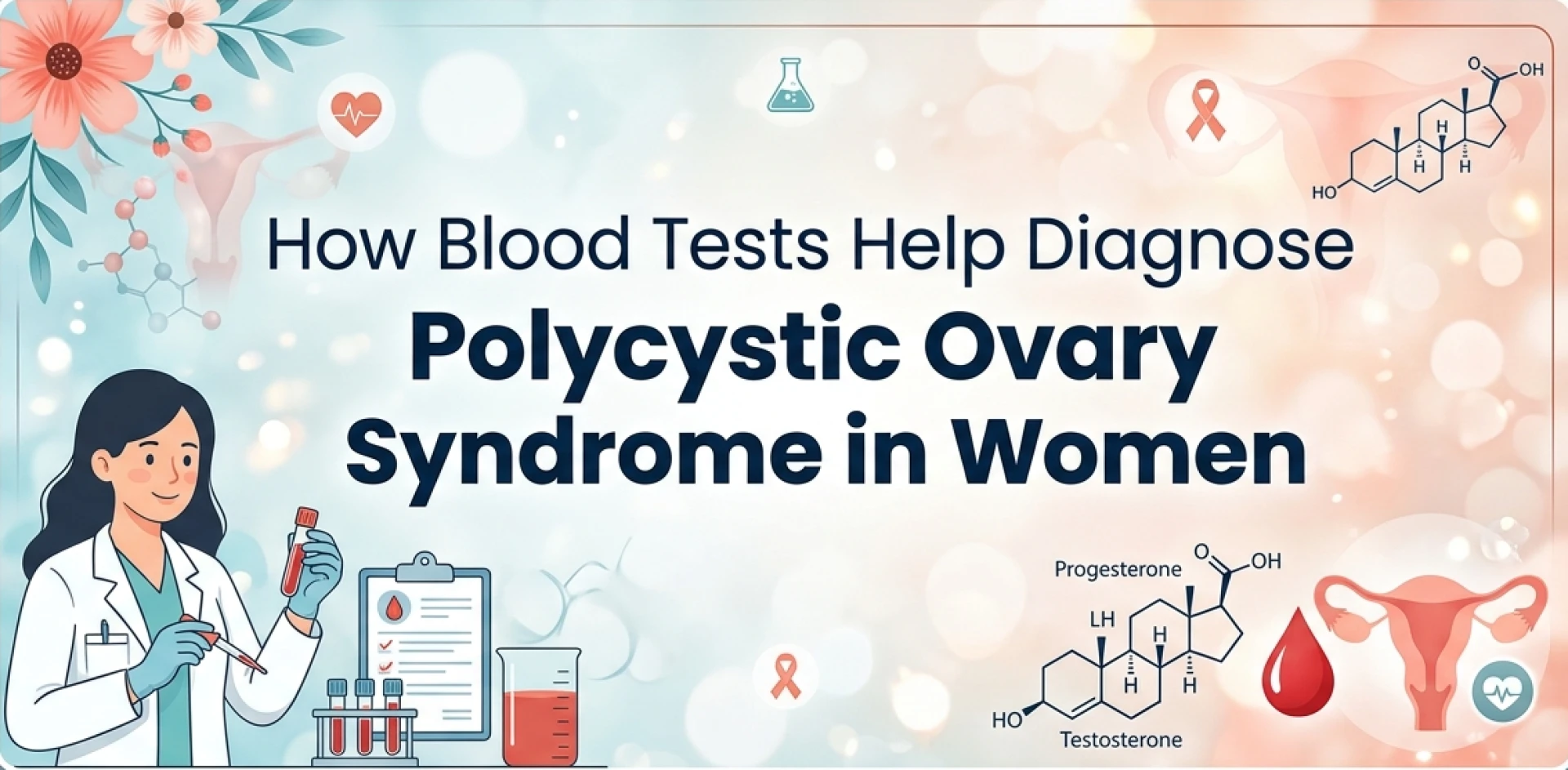
Polycystic Ovary Syndrome (PCOS) is one of the most common hormonal disorders affecting women of reproductive age. It can cause irregular periods, weight gain, acne, and fertility problems. Since many symptoms of PCOS overlap with other conditions, doctors often rely on laboratory investigations to confirm the diagnosis.
A blood test in a reliable laboratory plays an important role in identifying hormonal imbalances and metabolic changes linked with PCOS. Accurate testing helps doctors understand the root cause of symptoms and plan the right treatment.
Why Blood Tests Are Important for PCOS Diagnosis
PCOS is mainly associated with hormonal imbalance. Blood tests help measure hormone levels in the body and detect abnormalities that indicate the condition. These tests also help rule out other medical problems that may cause similar symptoms.
Choosing the best diagnostic lab ensures accurate results, which is essential for proper diagnosis and treatment planning.
Key Blood Tests Used to Diagnose PCOS
Several hormone tests are recommended when PCOS is suspected. These tests evaluate reproductive hormones and metabolic health.
1. LH (Luteinizing Hormone)
LH is a hormone produced by the pituitary gland that plays a key role in ovulation. Women with PCOS often have elevated LH levels compared to FSH. An abnormal LH to FSH ratio is commonly seen in PCOS patients.
2. FSH (Follicle Stimulating Hormone)
FSH helps regulate the growth of ovarian follicles. In PCOS, the balance between LH and FSH may be disturbed, which can affect ovulation and menstrual cycles.
3. Testosterone
Women with PCOS may have higher levels of testosterone, which is considered a male hormone. Elevated testosterone can lead to symptoms like acne, excessive facial hair, and irregular periods.
4. Insulin
Many women with PCOS develop insulin resistance. This means the body does not use insulin effectively, which can increase blood sugar levels and lead to weight gain. Testing insulin levels helps identify metabolic issues associated with PCOS.
Additional Tests That May Be Recommended
Apart from hormonal tests, doctors may also recommend other investigations such as:
- Blood glucose test
- Lipid profile
- Thyroid function test
These tests help evaluate overall health and detect conditions that may worsen PCOS symptoms.
Convenience of Modern Diagnostic Services
Today, getting tested is easier than ever. Many laboratories allow patients to book a blood test online, saving time and simplifying the testing process. For added convenience, patients can also opt for a blood test at home, where trained professionals collect samples without requiring a visit to the lab.
Choosing a Reliable Diagnostic Laboratory
Accurate testing is essential for proper diagnosis and treatment. Dr. B. Lal Clinical Laboratory is known for providing reliable diagnostic services and advanced testing facilities. With modern equipment and experienced professionals, the laboratory ensures precise results that help doctors make informed decisions for patient care.
Final Thoughts
PCOS is a manageable condition when diagnosed early. Blood tests play a crucial role in identifying hormonal imbalances and metabolic changes associated with the disorder. Tests such as LH, FSH, Testosterone, and Insulin provide valuable insights that help doctors confirm the diagnosis and guide treatment.
Regular health checkups and timely testing can help women detect PCOS early and take the right steps toward better reproductive and overall health.














Sign in to leave a comment.