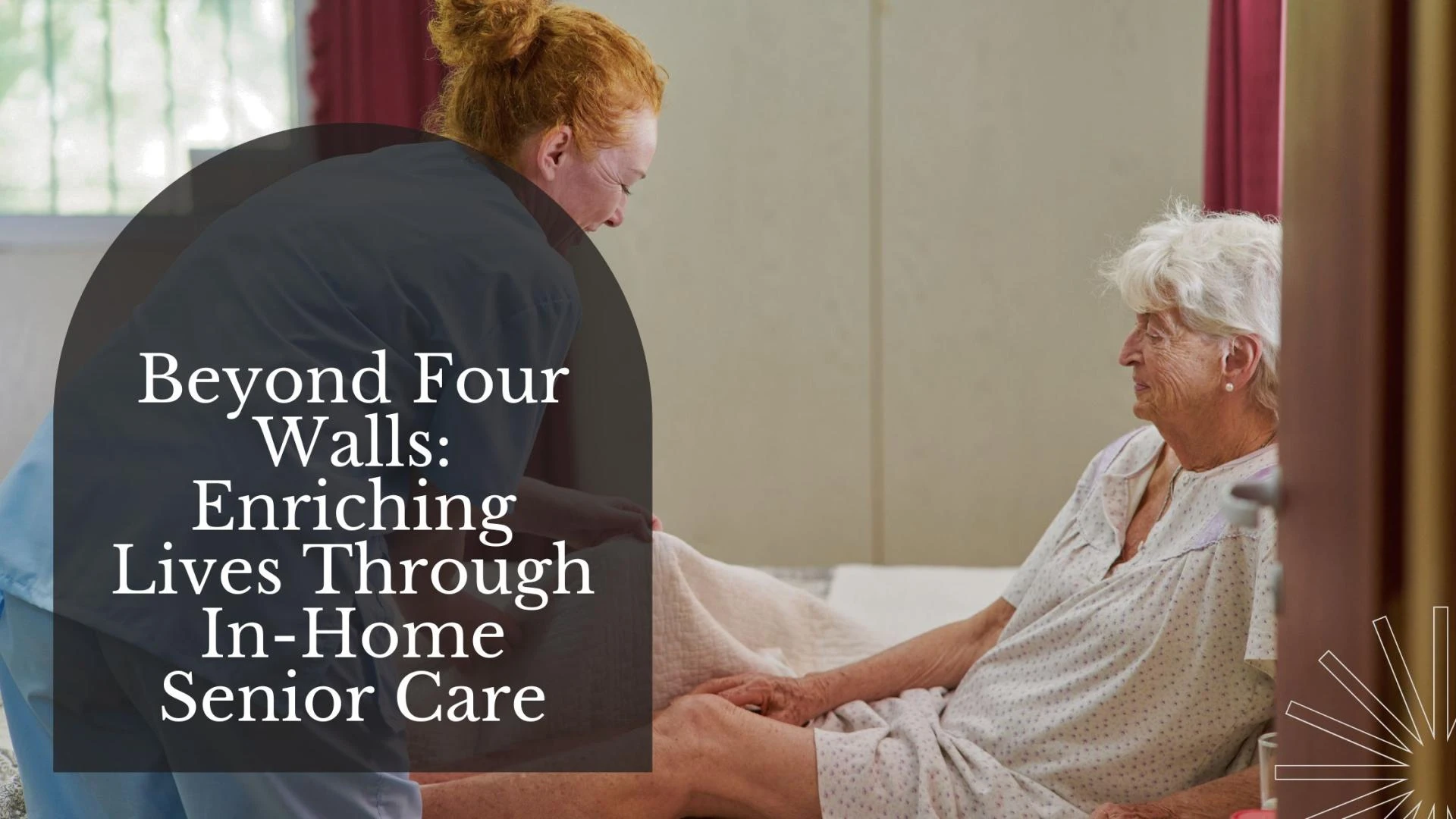

In the journey of aging, maintaining independence and dignity is paramount for seniors. For many, the concept of home extends beyond mere physical space; it embodies familiarity, comfort, and cherished memories. In recent years, there has been a paradigm shift in how we approach senior care. Rather than viewing it solely through the lens of institutional settings, there's a growing recognition of the profound benefits of in-home senior care. This approach not only fosters independence but also enriches lives in ways that extend far beyond the confines of four walls.
Redefining Aging in Place
In-home senior care is more than just a service; it's a philosophy centered on empowering individuals to age gracefully in the comfort of their own homes. It acknowledges that each senior has unique needs, preferences, and routines, which are best preserved within familiar surroundings. By embracing the concept of "aging in place," seniors can maintain their autonomy while receiving the necessary support to thrive.
The Role of Independent Living Services
At the heart of in-home senior care lie independent living services, which form the cornerstone of this holistic approach. These services encompass a wide range of support, tailored to meet the individual requirements of each senior. From assistance with daily activities such as meal preparation, grooming, and medication management to companionship and transportation services, independent living services aim to enhance quality of life while promoting self-sufficiency.
Fostering Connection and Companionship
One of the most significant advantages of in-home senior care is the cultivation of meaningful connections. Unlike institutional settings, where care may feel impersonal, in-home caregivers become trusted companions who offer not just assistance but genuine companionship. This human connection plays a vital role in combating feelings of isolation and loneliness, which are all too common among seniors. Whether engaging in conversation, sharing stories, or participating in leisure activities, the bond between seniors and their caregivers goes beyond mere caregiving—it becomes a source of emotional nourishment and support.
Preserving Independence and Dignity
Independence is a fundamental aspect of human dignity, and in-home senior care places utmost importance on preserving this autonomy. Through personalized care plans and adaptable support systems, seniors are empowered to maintain control over their lives, making decisions that align with their values and preferences. Whether it's managing their daily routines, pursuing hobbies, or maintaining social connections, seniors have the freedom to live life on their own terms, thereby preserving their dignity and sense of self-worth.
Enhancing Well-Being Through Familiarity
The comfort of home is unparalleled, evoking a sense of security and belonging that transcends physical boundaries. In-home senior care recognizes the intrinsic value of this familiarity and strives to create an environment that promotes well-being on multiple levels. From the familiar scent of homemade meals to the cherished mementos adorning the walls, every aspect of the home environment contributes to the emotional and psychological welfare of seniors. By surrounding them with familiar sights, sounds, and sensations, in-home care nurtures a sense of continuity and stability, which is essential for emotional resilience and mental health.
Tailored Care for Individual Needs
One of the hallmarks of in-home senior care is its emphasis on personalized, client-centered services. Recognizing that no two seniors are alike, caregivers collaborate closely with individuals and their families to develop customized care plans that address specific needs and preferences. Whether it's adapting meal plans to accommodate dietary restrictions, modifying home environments for accessibility, or scheduling activities tailored to personal interests, every aspect of care is tailored to enhance the senior's quality of life.
Empowering Families and Caregivers
In addition to benefiting seniors themselves, in-home care also has a profound impact on their families and caregivers. By entrusting their loved ones to professional caregivers, families gain peace of mind, knowing that their seniors are receiving high-quality care in the comfort of home. Moreover, in-home care relieves caregivers of the burden of constant caregiving, allowing them to focus on their own well-being and maintain a healthy balance between caregiving responsibilities and personal life.
Embracing the Future of Senior Care
As the population continues to age, the demand for innovative and sustainable senior care solutions grows ever more pressing. In-home senior care represents a forward-thinking approach that not only meets the needs of today's seniors but also lays the groundwork for a more inclusive and compassionate future. By prioritizing independence, dignity, and individualized support, in-home care paves the way for seniors to age with grace, purpose, and fulfillment—all within the familiar embrace of home.
Conclusion
In-home senior care transcends the confines of traditional caregiving paradigms, offering a holistic approach that enriches lives in profound ways. By fostering independence, preserving dignity, and nurturing meaningful connections, this innovative model of care empowers seniors to age with grace and purpose, all within the comfort of their own homes. As we look towards the future of senior care, let us embrace the transformative potential of in-home care to create a world where every senior can thrive, beyond the four walls of institutional settings.





























Sign in to leave a comment.