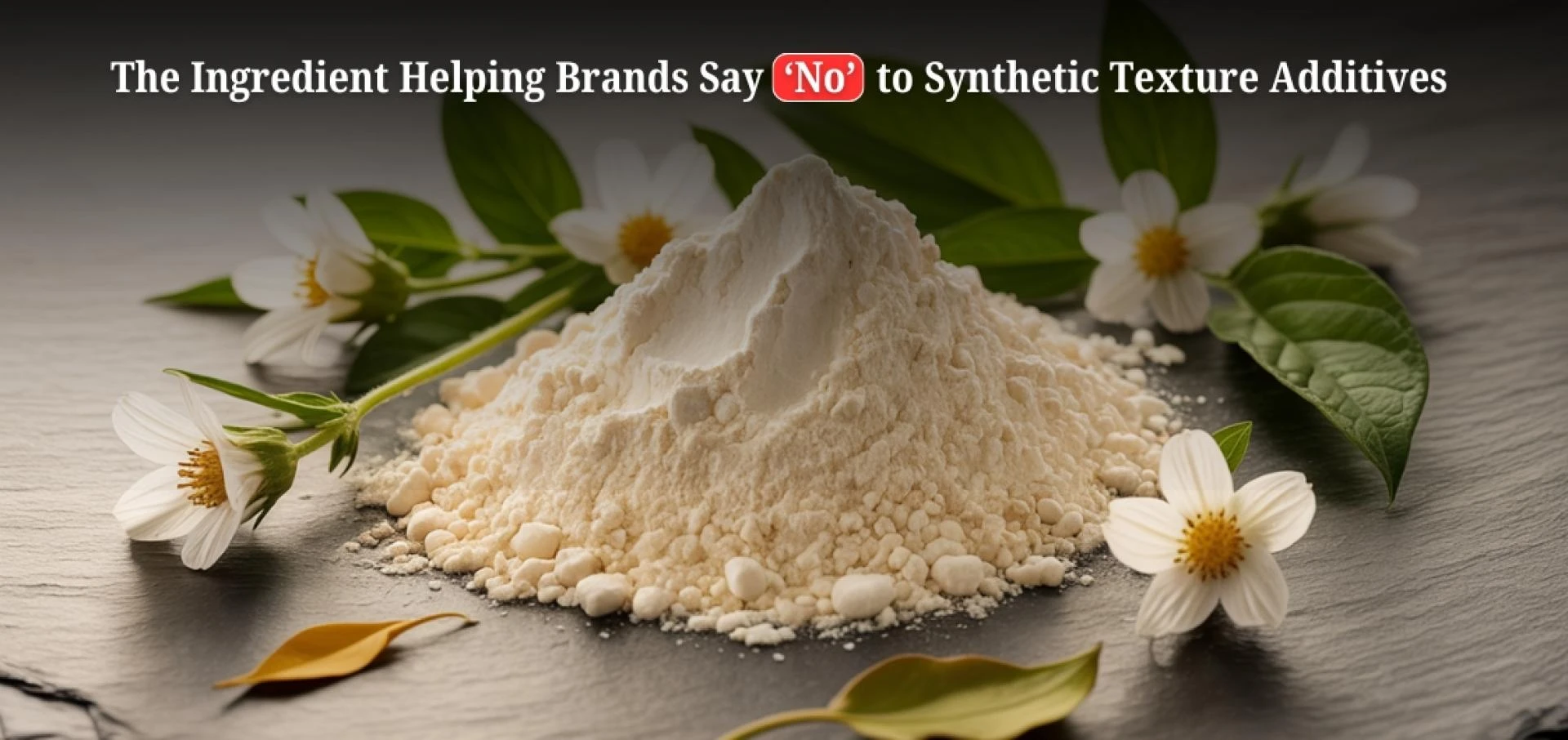
I’ve worked with a wide range of plant-based ingredients over the years, but few have surprised me as much as marshmallow root extract powder. It’s not flashy. It doesn’t trend on social media. But when you look at the role it quietly plays behind the scenes—especially in clean-label, texture-sensitive, and skin-soothing formulations—it starts to make a lot of sense why more industries are leaning into it.
Let’s break down what makes this ingredient so versatile and why it's starting to show up in everything from natural serums to digestive lozenges and functional beverages.
What Exactly Is Marshmallow Root Extract Powder?
We’re talking about Althaea officinalis—the same root that gave the original marshmallow confection its name, thanks to its naturally sweet sap. But in the industrial context, we’re more interested in its high mucilage content—a complex mixture of polysaccharides that becomes gel-like when hydrated.
This mucilage is what gives the extract its viscosity, film-forming abilities, and soothing texture. In powder form, the Marshmallow root extract is usually spray-dried and sometimes standardized for its polysaccharide concentration (typically 20% or higher), depending on the end use.
Why Formulators Love It
In a world where texture, mouthfeel, and clean-label sourcing matter more than ever, marshmallow root brings a lot to the table:
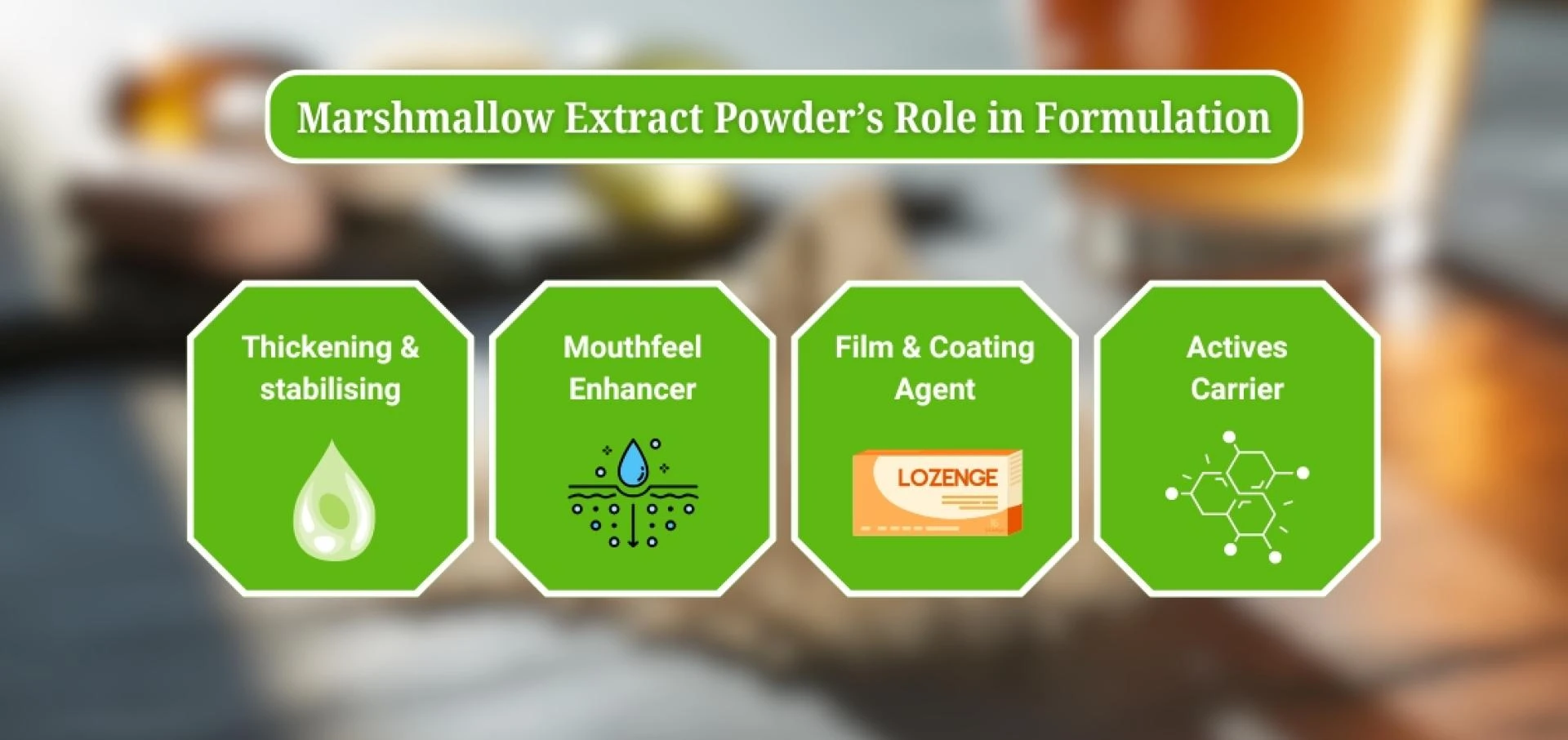
- Natural viscosity builder: It thickens creams and beverages without needing synthetic stabilizers.
- Soothing and hydrating: Perfect for sensitive-skin skincare or throat-soothing herbal products.
- Smooth mouthfeel: For functional drinks or lozenges, it delivers a soft, coating sensation that’s hard to replicate with synthetics.
- Acts as a botanical emulsifier: Works well in oil-in-water systems, especially when combined with other natural thickeners like guar or xanthan.
I've seen it used in everything from facial cleansers and calming creams to digestive teas and functional syrups. In many cases, it’s the quiet workhorse—adding body, improving glide, or extending shelf stability without the need for hard-to-pronounce additives.
Key Industries Driving Demand
Based on recent trends and sourcing discussions, here’s where the real traction is:
- Cosmetics and personal care: Skin hydration and barrier-support claims are major here. Marshmallow root delivers on both, without triggering concerns over synthetics or allergens.
- Herbal pharma: Cough syrups, sore throat lozenges, GI supplements—it’s a natural fit.
- Functional foods and beverages: Especially in wellness blends, digestive drinks, and natural syrups where a soothing texture is part of the product experience.
It’s also being looked at in natural oral care and baby care formulations for its gentle, non-irritating profile.
Bulk Sourcing: What You Should Know
If you're exploring this ingredient for your product line, sourcing it in bulk isn't overly complicated—but there are a few things to consider:
- Ask for standardization: Look for extract powders with at least 20% mucilage or polysaccharide content.
- Certificates matter: Depending on your target market, certifications like USDA Organic, ISO 22000, or GMP can influence approval.
- Form matters: You’ll typically find it as a fine spray-dried powder. Liquid or glycerite extracts are more common in traditional herbal prep, but powders offer longer shelf life and greater versatility.
- MOQ: Most industrial suppliers start at 25kg, though some allow samples or trial runs at 1–5kg.
And definitely request a COA with details on heavy metal levels, microbial load, and solvent residues (if any were used in extraction). Especially if you're working with food-grade or cosmetic-grade SKUs.
Market Insight
Marshmallow root extract isn’t seeing explosive growth the way some trendier adaptogens are—but what we’re seeing instead is steady, cross-sector adoption. It's showing up in more functional beauty products. More nutraceutical firms are exploring demulcent botanicals. And the demand for clean-label, plant-based thickening agents is only going up.
According to some industry tracking reports, the global botanical extract market is expected to grow at a CAGR of 7–9% through 2028. While marshmallow root is still a niche within that, its applications in hybrid wellness and beauty spaces give it a lot of potential.
Final Thoughts
There’s a lot to be said for ingredients that simply work. Marshmallow root extract doesn’t rely on hype. It’s not a fad. But it checks a lot of boxes that product developers and sourcing heads care about today—especially when you’re formulating for gentleness, hydration, and texture using clean, botanical actives.
If you’re not using it yet, it’s worth a closer look. Especially if you’re tired of over-engineered solutions that fall short on the label.











Sign in to leave a comment.