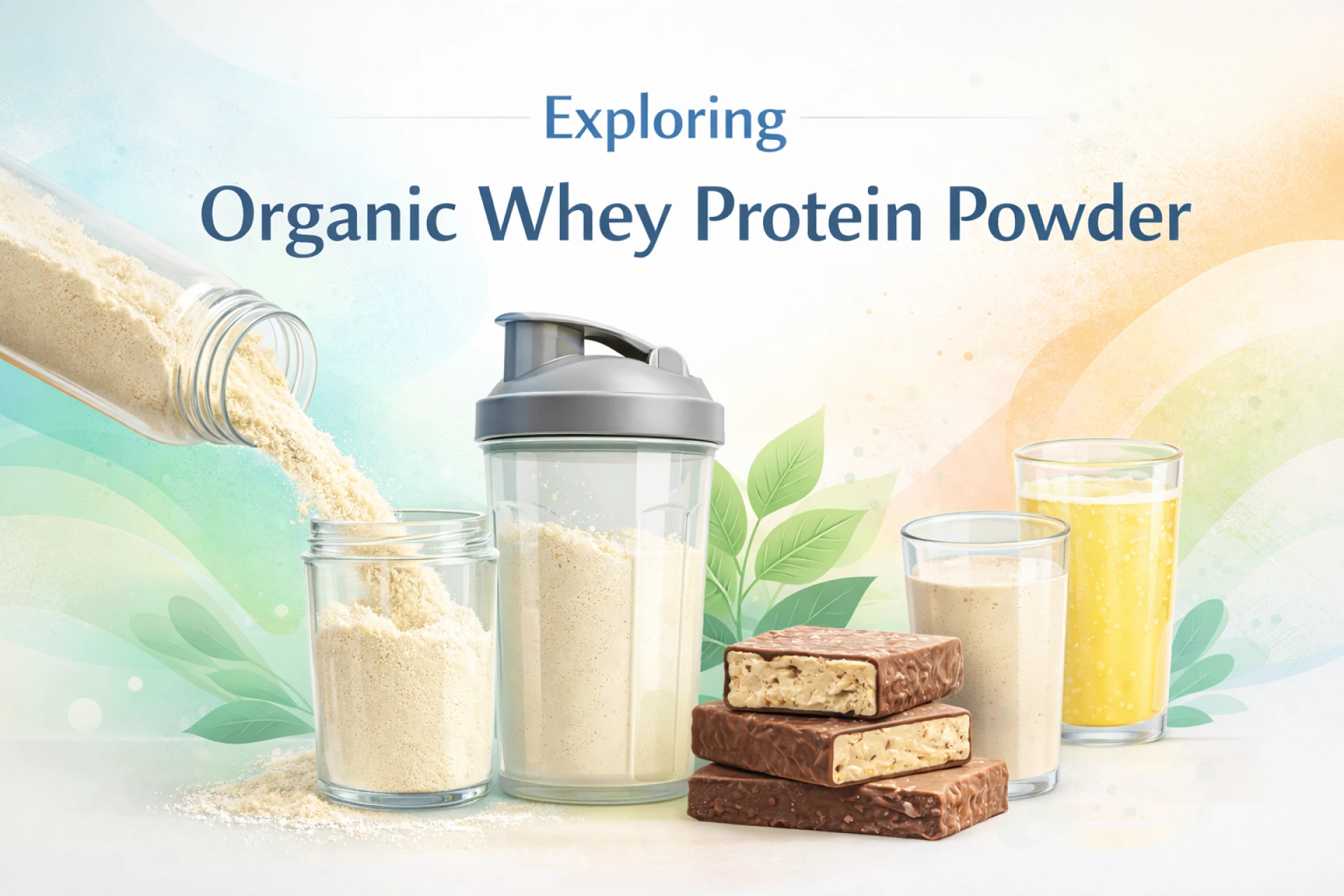

As protein-centric product development continues to accelerate across the United States, manufacturers are placing increased emphasis on ingredient transparency, functionality, and sourcing integrity. Among dairy-based proteins, organic whey protein has emerged as a cornerstone ingredient for formulators working across sports nutrition, functional foods, meal replacements, and clinical nutrition categories.
From an ingredient sourcing standpoint, whey protein is no longer evaluated solely on protein percentage. Instead, decision-makers are assessing solubility, processing method, organic certification, instantization quality, and application-specific performance. This shift has positioned high-quality whey protein supplements as a critical component in clean-label, performance-driven formulations.
Understanding Organic Whey Protein from a Formulation Perspective
Organic whey protein is derived from organically produced milk and processed under strict certification standards to preserve nutritional integrity while meeting clean-label expectations. For formulators, this translates into an ingredient that supports both nutritional claims and regulatory confidence in the US market.
Compared to conventional alternatives, organic variants appeal to brands targeting transparency-focused consumers, especially within wellness, fitness, and lifestyle nutrition segments. From a technical standpoint, organic whey protein offers a complete amino acid profile, including branched-chain amino acids (BCAAs), which makes it highly suitable for muscle recovery, satiety-focused products, and weight management formulations.
Functional Benefits of Whey Protein Powder in Product Development
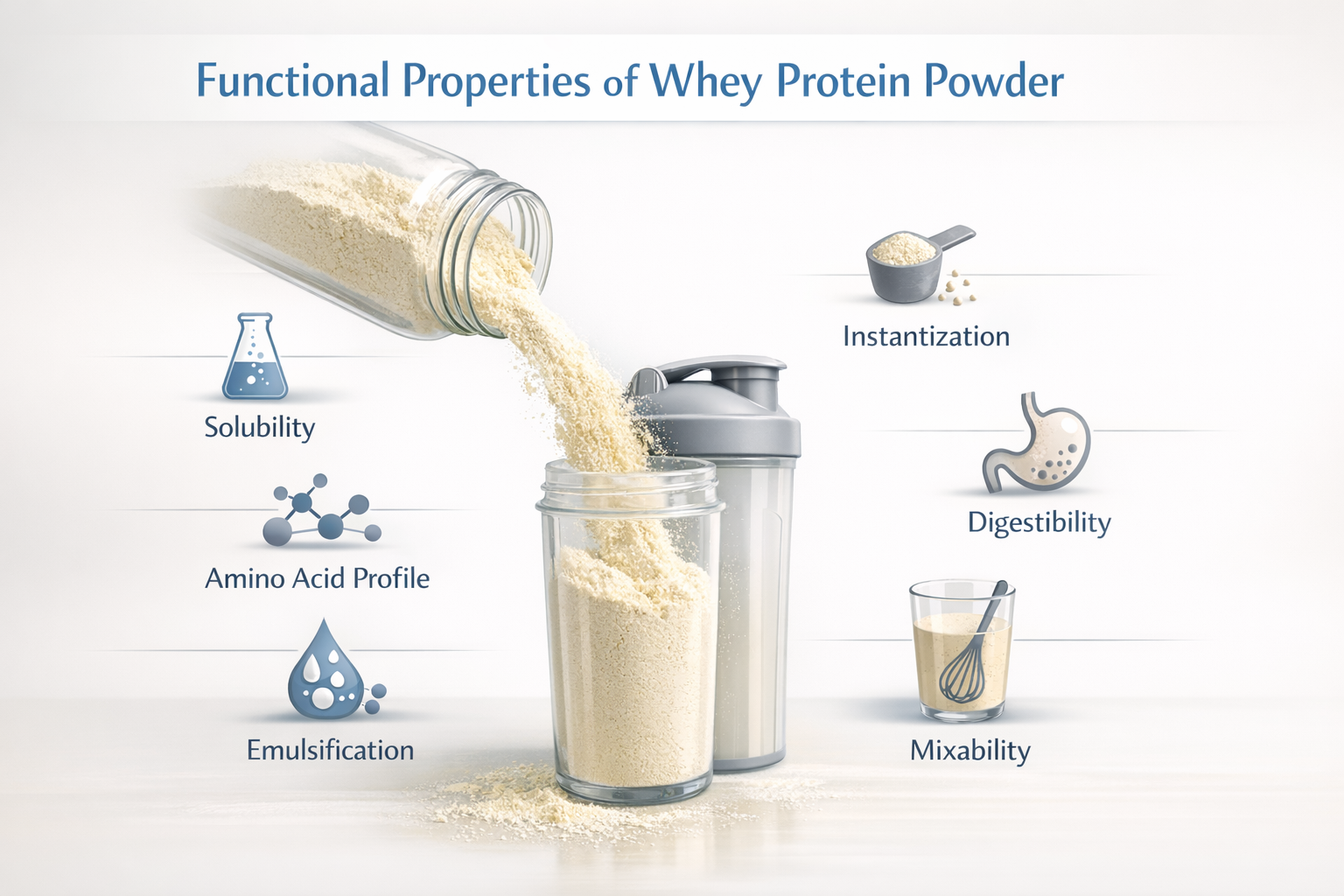
From a formulation lens, whey protein stands out due to its versatility and functional performance. Whey protein powder 80% concentrate instantized is particularly valued for its balance of protein content, mouthfeel, and cost efficiency.
Key functional attributes include:
- Excellent dispersibility and solubility when instantized
- Neutral sensory profile in unflavoured whey protein variants
- Compatibility with sweetened and unsweetened systems
- Strong emulsification and foaming properties
These characteristics allow whey protein powder to integrate seamlessly into ready-to-mix beverages, nutrition bars, RTD shakes, bakery applications, and powdered meal replacements.
Bulk Sourcing Considerations for the US Market
For procurement and supply chain teams, sourcing bulk whey protein powder involves more than protein concentration alone. Key evaluation criteria often include:
- Processing Method – Low-temperature processing to preserve bioactive fractions
- Instantization Quality – Ensures ease of mixing and consumer convenience
- Traceability – Farm-to-facility transparency aligned with organic standards
- Microbiological Safety – Compliance with US food safety and supplement regulations
- Supply Consistency – Reliable volumes for scalable production
Working with a dependable whey protein powder supplier enables manufacturers to manage cost stability while maintaining formulation performance across production cycles.
Application Versatility Across Nutrition Categories
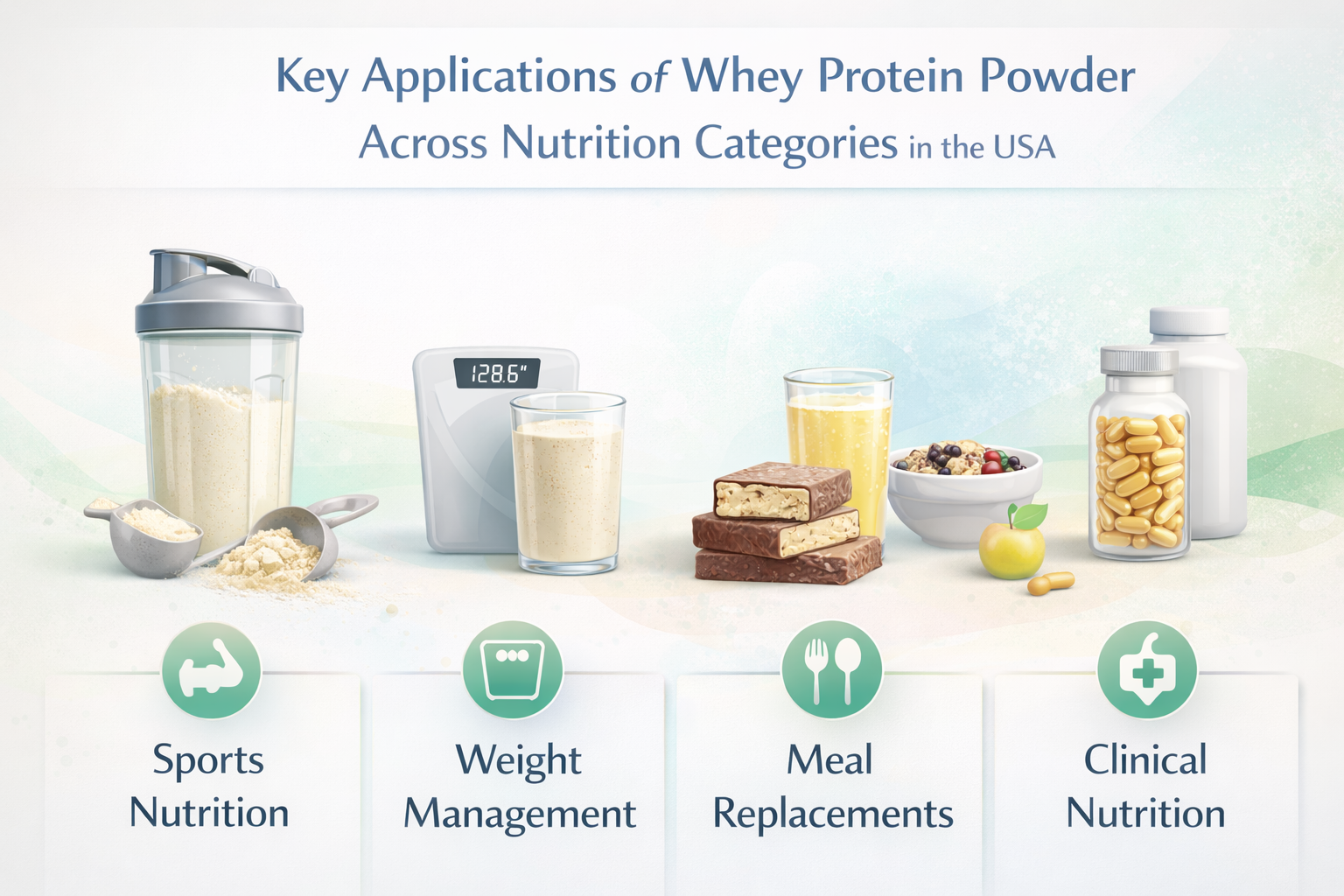
The adaptability of whey protein makes it one of the most widely used protein sources across nutrition-focused product lines in the USA. Whey protein supplements are commonly formulated into:
- Sports and active nutrition powders
- Weight management and satiety blends
- Clinical and elderly nutrition products
- Functional beverages and smoothies
- Protein-enriched snacks and baked goods
For brands developing best whey protein for weight loss solutions, whey’s high biological value and digestibility play a key role. It supports lean muscle maintenance while contributing to satiety, making it suitable for calorie-controlled formulations.
Unflavoured Whey Protein in Clean-Label Innovation
The rising demand for minimalist ingredient decks has driven interest in unflavoured whey protein. From a formulation standpoint, unflavoured variants provide flexibility, allowing developers to customize taste profiles using natural flavors, sweeteners, or functional inclusions.
This approach is particularly valuable for brands creating personalized nutrition products or multifunctional blends that combine protein with botanicals, fibers, probiotics, or micronutrients.
Regulatory and Labeling Considerations in the USA
Manufacturers using organic whey protein must ensure alignment with USDA organic standards, FDA regulations, and applicable labeling requirements. This includes accurate protein content declaration, allergen statements (milk), and compliance with supplement or food classification guidelines.
From a sourcing standpoint, partnering with a compliant whey protein powder supplier simplifies documentation, audit readiness, and quality assurance across production stages.
Market Outlook and Innovation Opportunities
As consumer demand for high-protein, clean-label products continues to rise, whey protein remains a foundational ingredient for innovation. Emerging trends include:
- Protein blends combining whey with plant proteins
- Low-carb and keto-aligned formulations
- Functional proteins paired with adaptogens or fibers
- Targeted nutrition for weight management and active lifestyles
For formulators and sourcing professionals, selecting the right bulk whey protein powder is not just a procurement decision—it is a strategic choice that influences product performance, brand credibility, and long-term scalability.



























Sign in to leave a comment.