
Bees, the tireless pollinators of our ecosystems, hold a pivotal role in the global landscape, crucial for the sustainability of our agricultural systems. Despite their small size, their impact is monumental, facilitating the reproduction of countless plant species and supporting broader biodiversity. However, their contributions often go unnoticed. This article dives into the enthralling world of bees, examining their life cycles, the indispensable role they play in pollination, the significant threats they face, and their interactions with humans, particularly through the use of new beekeeping equipment. By exploring these aspects, we not only appreciate these remarkable insects but also understand the vital actions needed to protect and support their populations using innovative tools in beekeeping.
The Role of Bees in Pollination
Bees serve as vital agents of pollination, a fundamental process for the reproduction of many plants and the production of fruits and seeds. As they move from flower to flower in search of nectar, bees inadvertently transfer pollen grains stuck to their bodies to other flowers, thus fertilizing them. This seemingly simple act underpins the survival of a vast array of plant species, which in turn supports diverse wildlife ecosystems and human agriculture.
The relationship between bees and flowers is a fine-tuned evolutionary marvel. Plants have developed colorful blossoms and enticing scents specifically to attract pollinators like bees, who rely on nectar and pollen as primary food sources. This interdependence has shaped the natural world, where the decline or health of bee populations can directly impact plant health and crop yields.
In agricultural landscapes, the contribution of bees extends far beyond the boundaries of wild flora. Crops such as almonds, blueberries, and apples, to name a few, depend heavily on bee pollination. Without the diligent work of bees, the yields of these crops would diminish significantly, affecting food availability and agricultural economies globally.
However, the efficiency of bees in pollination also highlights their vulnerability. They are often exposed to various environmental stresses while foraging, which can affect their ability to pollinate effectively. Understanding these interactions is crucial for developing strategies to maintain healthy bee populations and, by extension, robust ecosystems.
Promoting the health of bee populations through conservation efforts and sustainable practices is not just beneficial but essential for maintaining the balance of our ecosystems. As we continue to rely on bees for their pollination services, it becomes increasingly important to protect these incredible insects that play such a critical role in our survival.
Threats to Bee Populations
Bee populations worldwide face numerous threats that jeopardize their health and their essential role in pollination. One of the most significant threats is the use of pesticides in agriculture. Chemicals intended to protect crops can have devastating effects on bees, impairing their ability to navigate, forage, and reproduce. The widespread use of such substances has contributed to the phenomenon known as Colony Collapse Disorder (CCD), where worker bees abruptly disappear from a colony, leaving behind a queen and immature bees.
Habitat loss presents another critical challenge. Urbanization and intensive agricultural practices have reduced the natural habitats bees rely on for foraging and nesting. As their natural environments are replaced with monoculture crops or urban sprawl, bees find fewer resources, which can lead to weakened colonies and lower reproduction rates.
Climate change compounds these threats, altering the phenology of plant flowering times and, consequently, the availability of food for bees. These climate changes can disrupt the synchronized timing between when flowers produce pollen and when bees are ready to feed on it, potentially leading to further declines in bee populations.
Diseases and parasites also pose significant risks to bees. The Varroa destructor mite, in particular, has been catastrophic for bee colonies globally. These mites attach to bees and feed on their body fluids, weakening the bees and making them more susceptible to viruses and other pathogens.
Addressing these threats requires a coordinated effort among farmers, policymakers, and the public. By adopting bee-friendly practices, supporting research on bee health, and reducing the use of harmful pesticides, we can help ensure the survival of bees and the continuation of their critical role in our ecosystem.
Beekeeping and Human Interaction
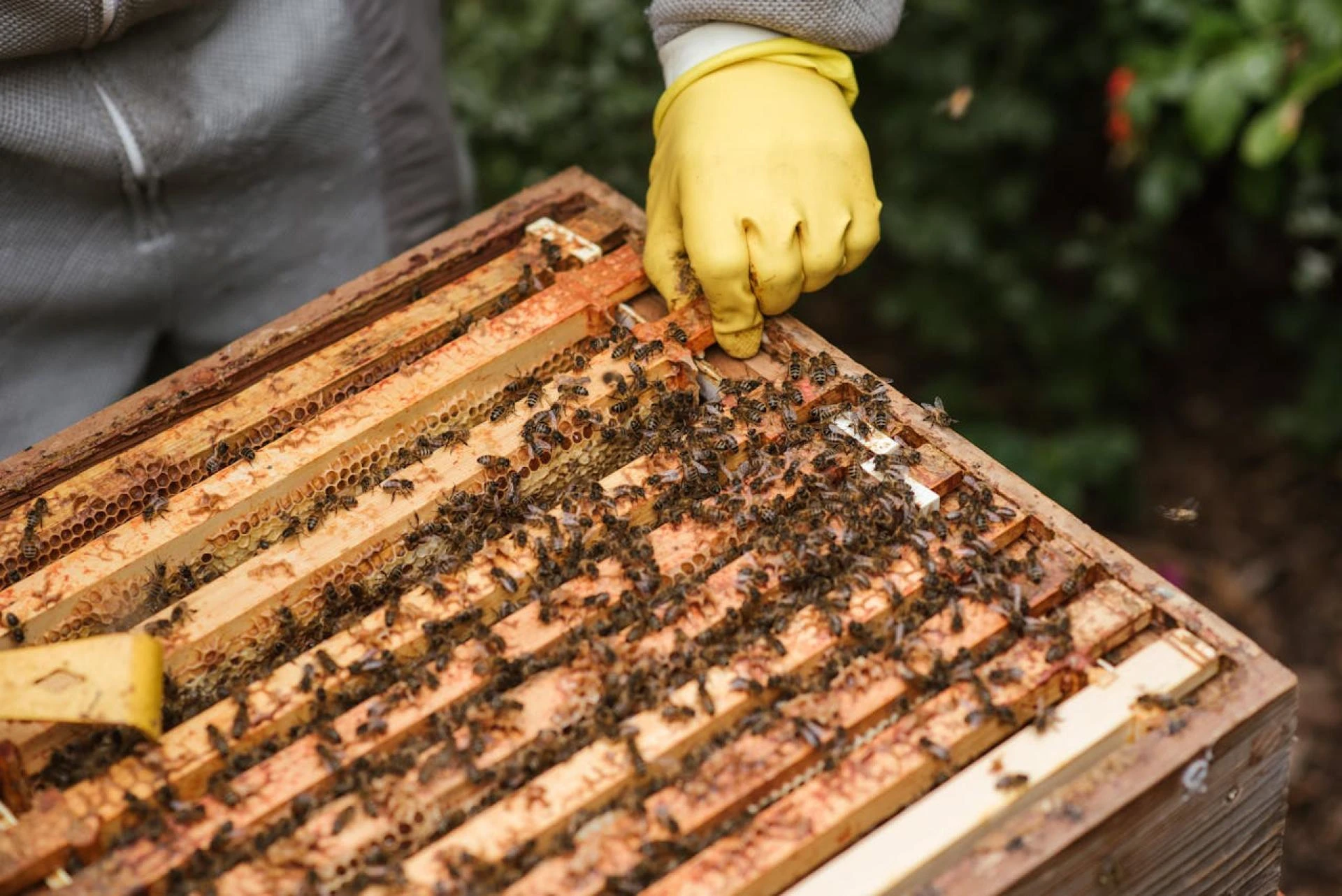
Beekeeping has emerged as a crucial intersection between human activity and the natural world of bees. This ancient practice involves the maintenance of bee colonies in man-made hives, where bees can be nurtured and their products, such as honey and beeswax, can be harvested. For many, beekeeping is not just an agricultural endeavor but a way to contribute to environmental conservation.
The basics of beekeeping involve understanding bee behavior, managing the health of the colony, and harvesting the products without harming the bees. Successful beekeepers must learn to recognize the signs of a healthy hive, understand the seasonal patterns that dictate bee activity, and intervene when problems like diseases or pest infestations arise.
In recent years, innovations in beekeeping technology have made it easier to manage hives and protect bees from environmental threats. These include advanced hive designs that improve ventilation and reduce moisture, which can lead to mold and disease. Additionally, tracking technology allows beekeepers to monitor hive conditions remotely, making it easier to maintain the health of the bees.
However, beekeeping also faces challenges, especially from environmental factors and human activities that can adversely affect bee health. Pesticides, habitat destruction, and climate change all pose risks that beekeepers must navigate to protect their hives.
As the interest in sustainable living grows, more individuals and communities are turning to beekeeping as a way to support local ecosystems and promote biodiversity. By fostering a healthy bee population, beekeepers not only produce valuable products but also contribute to the pollination of local gardens and crops, enhancing food security and ecological health.
Conclusion
In uncovering the fascinating world of bees, it becomes evident that their survival is intertwined with our ecological and economic well-being. Bees are crucial pollinators whose health significantly influences our food systems and biodiversity. Facing multiple threats such as pesticides, habitat loss, and climate change, their plight reflects broader environmental challenges that demand a proactive response. Through advanced beekeeping practices enhanced by new beekeeping equipment, and supportive policies, we can help mitigate these threats. By fostering bee-friendly environments and utilizing modern tools, each of us can contribute to the preservation of these essential creatures. In supporting bees, we secure a healthier, more biodiverse future, emphasizing the need for continued innovation in the way we care for and sustain our natural world.




























Sign in to leave a comment.