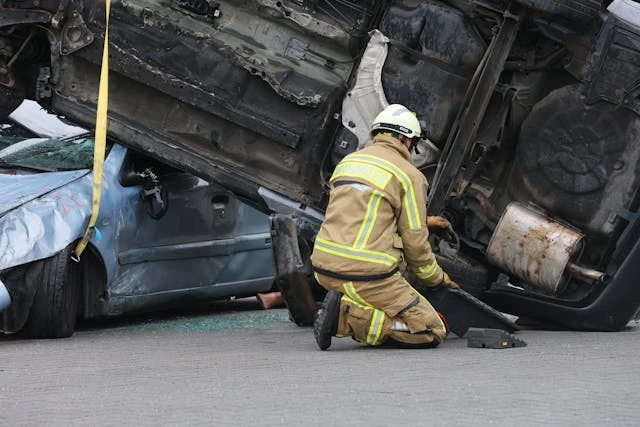

Photo Source: Pexels
Traffic accidents are unexpected and frightening events that can devastate people's lives in an instant. While the immediate aftermath of these catastrophes, such as traffic jams, emergency services, and obvious damage, receives a lot of attention, the long-term implications are often hidden beyond the site. Understanding these long-term consequences illustrates the full spectrum of traffic accidents and emphasizes the significance of comprehensive efforts for prevention, assistance, and rehabilitation.
Physical and Health Consequences
One of the most visible long-term consequences of road accidents is the permanent harm they cause to those involved. Traumas range from minor bruises to catastrophic injuries such as spinal cord damage, brain trauma, or limb amputations. Many survivors must undergo extensive medical treatments, surgeries, and rehabilitation processes, which significantly alter their quality of life. Chronic pain, poor mobility, and chronic impairment can become common occurrences, demanding ongoing medical care and lifestyle changes. The physical toll typically results in decreased freedom, difficulty maintaining a career, and the need for specialized support services, demonstrating how much it can impair a person's health over time.
Psychological and Emotional Effects
Traffic accidents often leave deep psychological scars in addition to outward wounds. People who survive and people who see something can have post-traumatic stress disorder (PTSD), anxiety, depression, and long-term stress. A crash can happen so quickly and violently that it can make someone feel unsafe, which can lead to long-lasting concerns about driving or even being a passenger. Emotional distress can show up as trouble sleeping, flashbacks, and trouble focusing, which can make it hard to do everyday things. Families of victims also have emotional costs, such as sadness, remorse, or the stress of taking care of someone. The effects on mental health are sometimes less obvious, but just as harmful, so timely psychiatric help and continued support are needed.
Economic Burden and Financial Strain
The financial effects of road accidents are numerous and complex. Medical bills can be huge, especially if you need long-term care or rehab. Many sufferers lose money since they can't work for a short time or permanently. Families can have lower incomes, which makes their financial situation even worse. Damage to property, legal bills, and higher insurance premiums all add to the stress of money. For a lot of people, the economic impacts have led to less savings, more debt, and less stable finances in the future. These problems show how important it is to have strong insurance systems and social safety nets to help people and families deal with the long-term effects on the economy.
Social and Community Impact
Traffic accidents affect more than just the people who are hurt; they change the way people interact with each other and the health of the community. When a family member has a permanent disability or mental trauma, they typically must make big changes to their way of life. Taking care of someone can change the roles of family members, cause stress, and affect relationships. High rates of traffic accidents can put a lot of stress on public resources, including emergency services, hospitals, and police departments. Frequent crashes in a neighborhood can make people feel less comfortable, lower property values, and make people less likely to want to do things outside or with other people. These social effects show how important it is to have community-based plans to help people become stronger and get better.
Legal and Policy Ramifications
After a traffic accident, legal proceedings often begin to have long-term effects on the victims and society. Determining fault, assigning responsibility, and settling compensation can be a lengthy and stressful process for everyone involved. These legal outcomes influence not only individual reparations but also broader policy changes aimed at improving road safety. One key resource in this process is the California highway patrol accident report for legal proceedings, which provides critical details about the causes and patterns of collisions. Accessing this information helps shape legislation, guide infrastructure improvements, and support enforcement strategies that prevent future incidents. The legal landscape reflects an ongoing effort to balance accountability, justice, and prevention.
Conclusion
The impacts of traffic accidents go far beyond the disaster itself. They include a complicated web of physical, emotional, financial, social, legal, environmental, and technological effects. These events change people's lives in ways that aren't often obvious but are felt deeply over time. Understanding the long-term effects of traffic accidents leads to a broader view of traffic safety that includes prevention, assistance, rehabilitation, and policy development in addition to emergency response. Getting information from trustworthy sources can help you better understand and deal with these effects.


































Sign in to leave a comment.