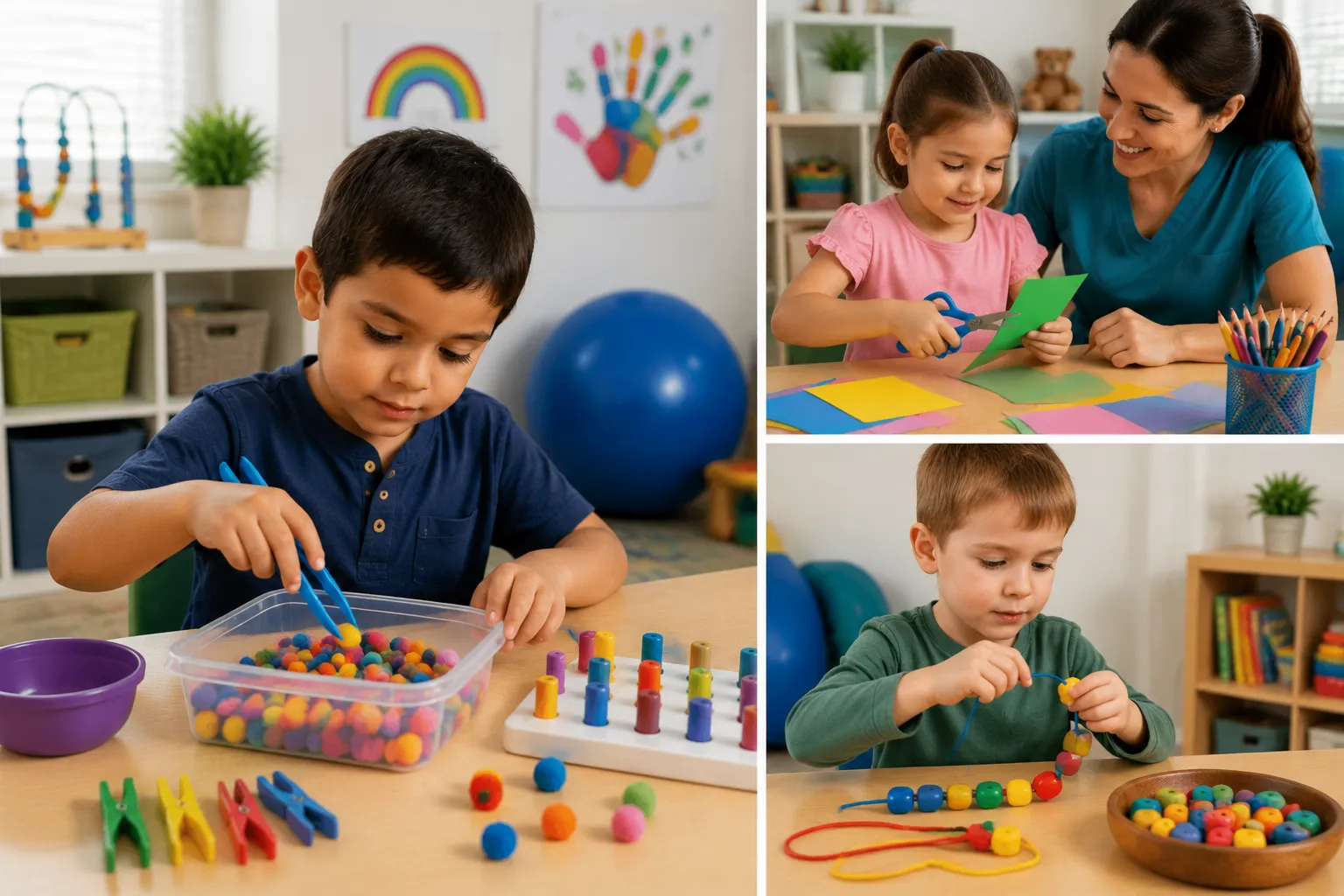

Fine motor skills are some of the most important building blocks in a child’s development. These skills influence how children write, draw, button clothing, use utensils, manipulate small objects, and participate in everyday activities that support independence. While many parents focus on major developmental milestones such as walking and talking, fine motor development is equally important because it affects academic performance, self-confidence, social participation, and overall quality of life.
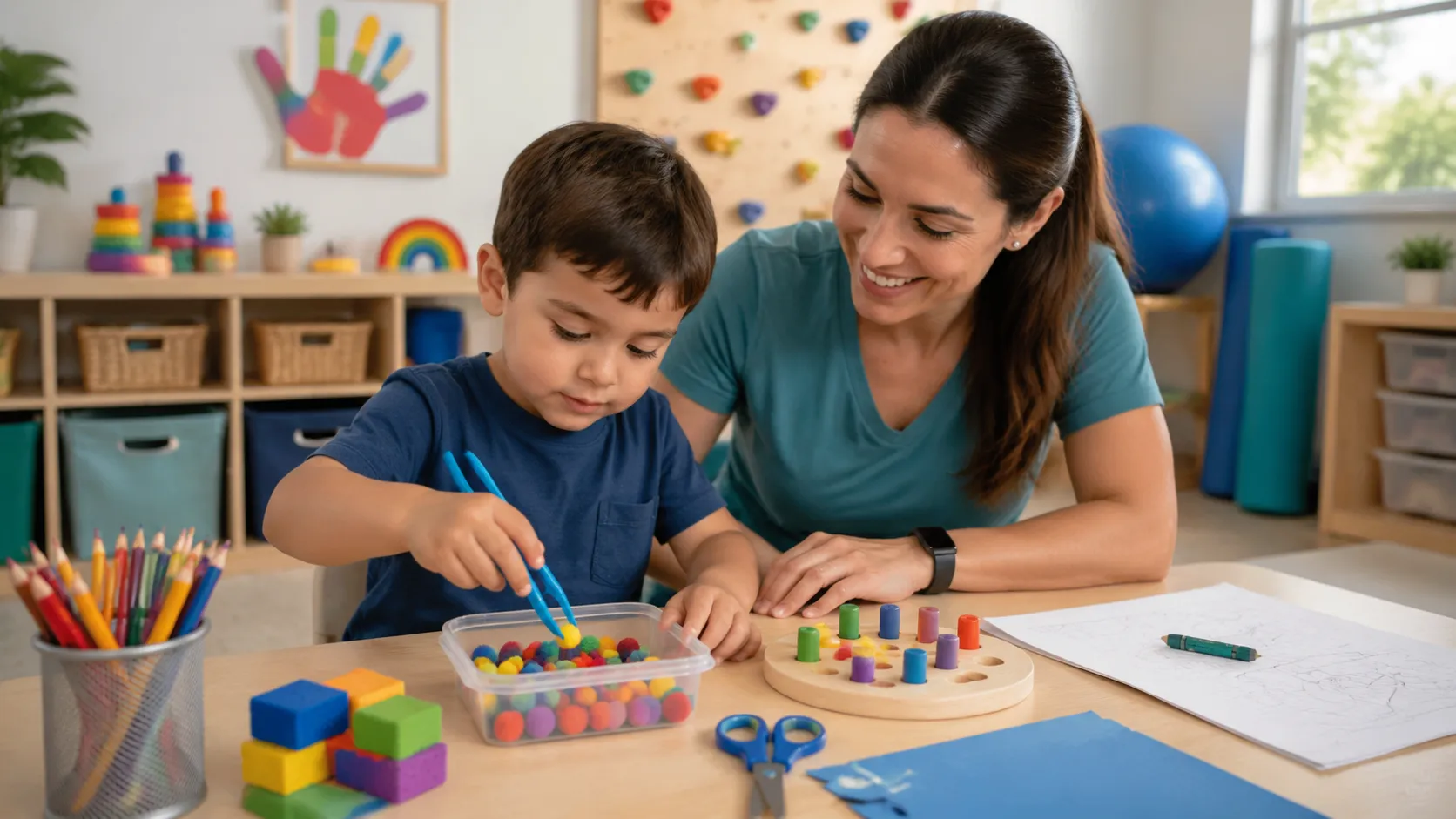
When children struggle with hand strength, coordination, grasp patterns, or dexterity, everyday tasks can become frustrating and challenging. This is where an Occupational Therapist In San Diego plays a critical role. Through individualized assessments and targeted interventions, occupational therapy helps children strengthen the foundational skills necessary for success at home, in school, and throughout their daily routines.
Understanding how fine motor skills develop and how occupational therapy supports this process can help parents make informed decisions when seeking support for their children.
Understanding Fine Motor Skills
Fine motor skills involve the coordination of small muscles in the hands, fingers, and wrists working together with the eyes and brain. These skills allow children to perform precise movements required for many daily activities.
Examples of fine motor tasks include holding a pencil, cutting with scissors, tying shoelaces, turning pages in a book, using a toothbrush, opening containers, and completing classroom assignments. Although these activities may appear simple, they require a combination of muscle strength, coordination, sensory processing, motor planning, and visual perception.
Children develop these abilities gradually over time. Some children acquire these skills naturally, while others experience delays that can interfere with learning and independence. Early recognition and intervention can make a significant difference in helping children reach their developmental potential.
Why Fine Motor Skills Matter
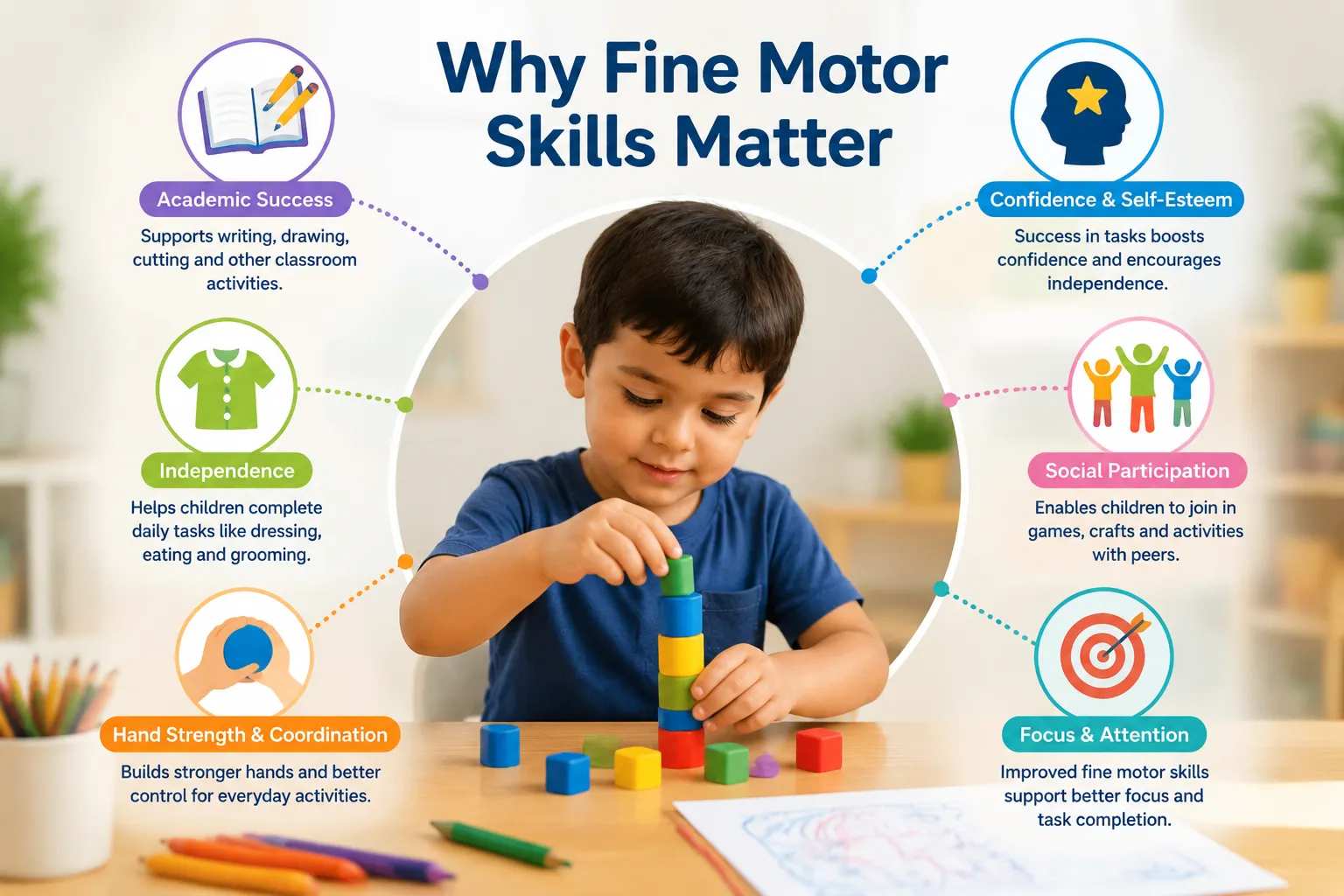
Fine motor development affects far more than handwriting. Strong fine motor abilities contribute to a child’s confidence, participation, and independence in many areas of life.
In the classroom, fine motor skills support writing, drawing, coloring, cutting, and manipulating educational materials. When children struggle with these tasks, they may become discouraged or avoid activities altogether.
At home, fine motor skills influence self-care routines such as dressing, feeding, grooming, and organizing personal belongings. Children who develop these abilities gain greater independence and require less assistance from caregivers.
Fine motor development also supports social engagement. Many childhood activities, including arts and crafts, building projects, games, and sports, require hand coordination. Children who can participate successfully often feel more confident and connected to their peers.
Because these skills impact so many areas of development, working with an Occupational Therapist In San Diego can provide valuable support when challenges arise.
Common Signs of Fine Motor Difficulties
Many parents wonder whether their child’s struggles are part of normal development or a sign that additional support may be beneficial.
Some common indicators of fine motor challenges include difficulty holding a pencil correctly, poor handwriting, trouble using scissors, challenges with buttoning or zipping clothing, weak hand strength, frequent dropping of objects, difficulty manipulating small items, and avoidance of tasks that require hand coordination.
Children may also become frustrated during homework, tire easily while writing, or struggle to complete classroom assignments within expected timeframes.
These signs do not necessarily indicate a serious problem, but they can suggest the need for professional evaluation and guidance.
How Occupational Therapy Supports Fine Motor Development
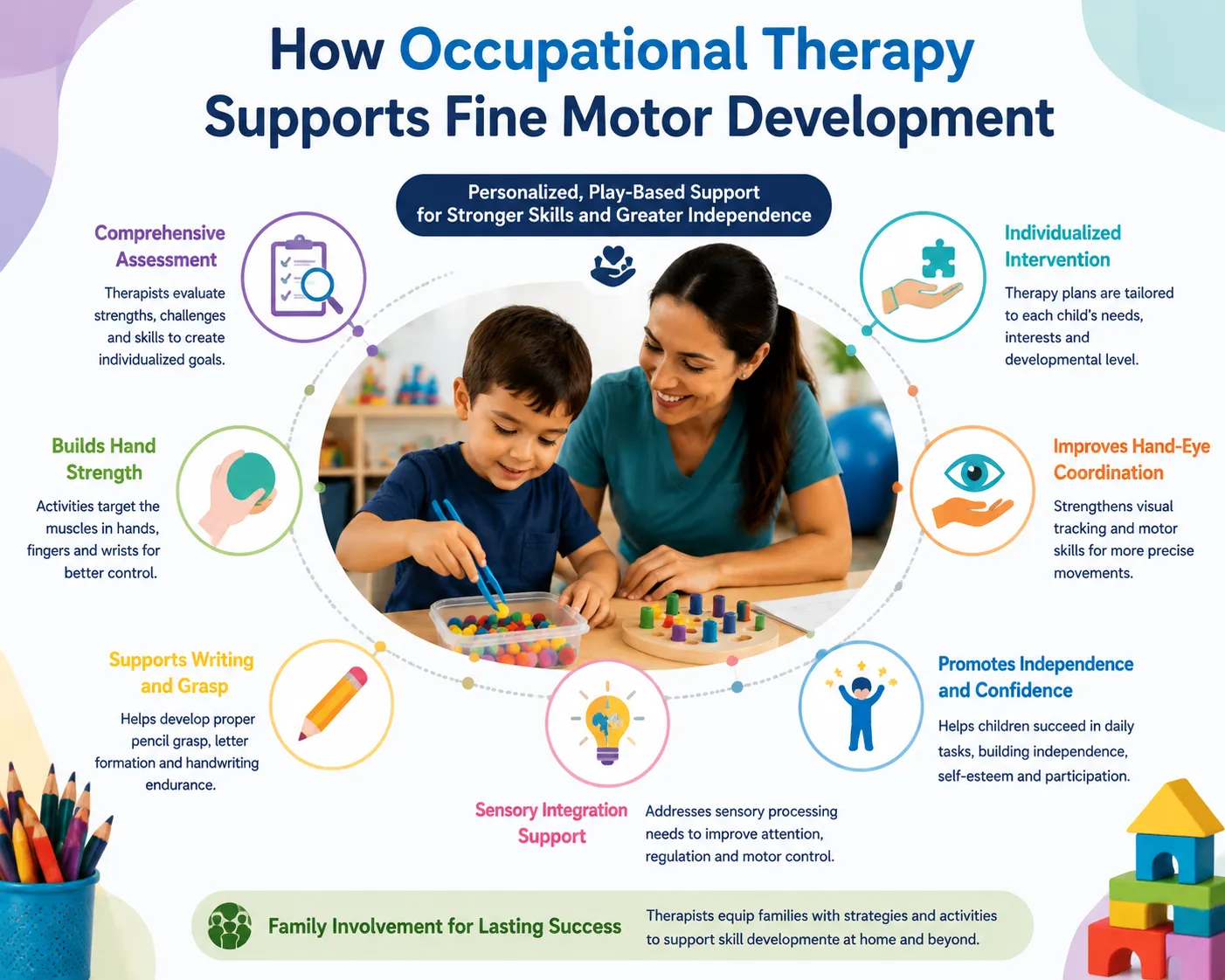
Occupational therapy focuses on helping children develop the skills necessary to participate successfully in meaningful daily activities. Every child is unique, which is why therapy begins with a comprehensive evaluation that identifies strengths, challenges, and developmental needs.
A skilled Occupational Therapist In San Diego develops individualized intervention plans designed to address specific areas of difficulty. Rather than using a one-size-fits-all approach, therapy activities are tailored to each child’s age, abilities, interests, and goals.
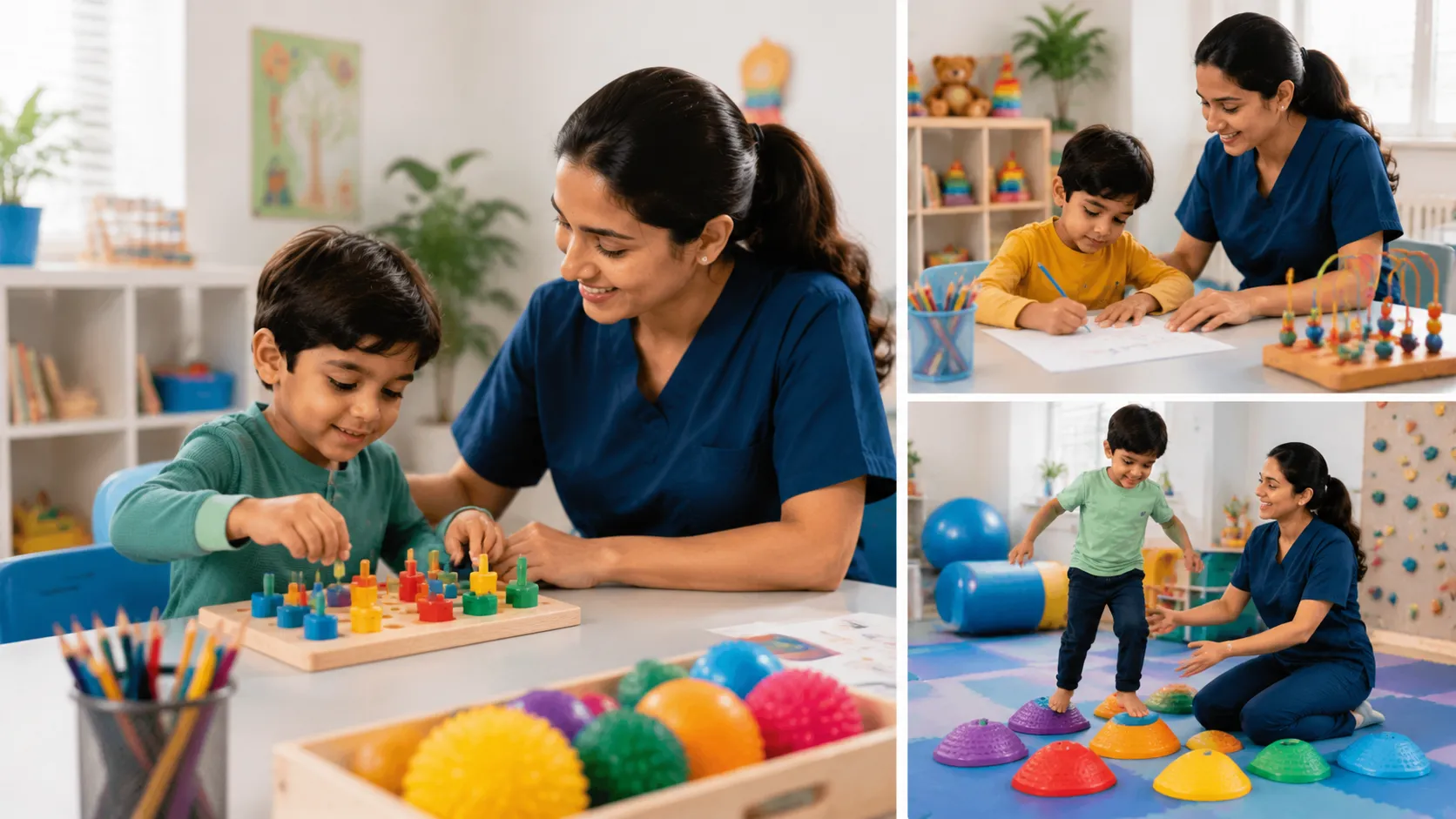
Therapy sessions often incorporate engaging activities that feel like play while targeting essential developmental skills. Children may participate in games, obstacle courses, crafts, puzzles, sensory experiences, and strengthening exercises that improve coordination and hand function.
This personalized approach helps children build skills while maintaining motivation and confidence.
Building Hand Strength and Stability
Hand strength is a critical component of fine motor development. Without sufficient strength and stability, children may struggle to control writing tools, manipulate objects, or perform self-care tasks efficiently.
Occupational therapy often includes activities designed to strengthen the muscles of the hands, fingers, wrists, and forearms. These exercises may involve squeezing, pinching, pulling, grasping, and manipulating various materials and objects.
As strength improves, children gain greater control over their movements, making everyday activities easier and more successful.
Improved hand strength also supports endurance, allowing children to complete schoolwork and other tasks without excessive fatigue.
Improving Hand-Eye Coordination
Hand-eye coordination allows children to process visual information and translate it into precise physical movements. This skill is essential for writing, catching a ball, drawing shapes, and completing many academic activities.
Therapy interventions often focus on helping children improve visual tracking, visual perception, and coordinated movement patterns.
Activities may include puzzles, building projects, tracing exercises, visual-motor games, and structured movement tasks. These experiences help strengthen communication between the eyes, brain, and hands.
As coordination improves, children become more efficient and accurate in their daily activities.
Supporting Pencil Grasp and Handwriting Skills
Handwriting remains one of the most common concerns among parents and teachers. Effective handwriting requires a combination of fine motor control, hand strength, visual perception, motor planning, and postural stability.
A qualified Occupational Therapist In San Diego evaluates the factors contributing to handwriting difficulties and develops targeted strategies to improve performance.
Therapy may focus on pencil grasp, letter formation, spacing, alignment, writing endurance, and overall legibility. Children learn techniques that make writing more comfortable and efficient.
Improved handwriting often leads to increased academic confidence and greater classroom participation.
The Role of Sensory Processing in Fine Motor Development
Many children who experience fine motor difficulties also have sensory processing challenges. Sensory processing refers to how the nervous system receives, interprets, and responds to sensory information.
Some children may be overly sensitive to textures, movement, sounds, or touch, while others may seek additional sensory input. These sensory differences can affect attention, coordination, body awareness, and motor control.
Through specialized sensory-based interventions, therapists help children regulate their responses to sensory input and improve their ability to engage in fine motor activities.
Addressing sensory processing needs often creates a stronger foundation for overall skill development.
Encouraging Independence Through Daily Activities
One of the primary goals of occupational therapy is helping children become more independent in their everyday lives.
Tasks such as dressing, feeding, grooming, organizing school materials, and managing personal belongings require a variety of fine motor abilities. Occupational therapy helps children develop the coordination and confidence needed to perform these tasks successfully.
As children become more independent, they often experience increased self-esteem and a stronger sense of accomplishment.
Parents also benefit from seeing their children participate more confidently in daily routines and responsibilities.
The Importance of Early Intervention
Research consistently shows that early intervention can significantly improve developmental outcomes. When fine motor challenges are identified and addressed early, children often make progress more efficiently and avoid developing secondary difficulties.
Early support can help prevent academic struggles, reduce frustration, improve confidence, and strengthen foundational skills before demands become more complex.
Families who seek assistance from a san diego occupational therapist early in the developmental process often gain valuable tools and strategies that support long-term success.
Rather than waiting for challenges to worsen, proactive intervention provides children with opportunities to build essential skills during critical developmental periods.
Partnering With Families for Lasting Success

Effective occupational therapy extends beyond the therapy session itself. Family involvement plays a significant role in helping children achieve meaningful progress.
Parents receive guidance, education, and practical strategies that can be incorporated into everyday routines. Simple activities performed at home can reinforce therapeutic goals and create additional opportunities for skill development.
This collaborative approach ensures consistency and helps children generalize newly acquired skills across different environments.
At WriteSteps, we believe that empowering families is just as important as supporting children. When therapists and families work together, children often achieve stronger and more sustainable outcomes.
Looking Toward a More Confident Future
Fine motor skills influence countless aspects of childhood development, from academic achievement to personal independence and social participation. When challenges arise, professional guidance can provide the support necessary for growth and success.
Working with an experienced Occupational Therapist In San Diego helps children develop the strength, coordination, sensory regulation, and confidence needed to thrive. Through individualized intervention, evidence-based strategies, and family-centered care, occupational therapy creates opportunities for meaningful progress.
Whether a child is struggling with handwriting, self-care tasks, hand strength, or coordination, early support can have a lasting positive impact. At WriteSteps, our focus is helping children build the skills they need to participate fully in everyday life and reach their unique potential.
For families seeking quality san diego occupational therapist services focused on fine motor development, understanding the value of occupational therapy is often the first step toward helping a child achieve greater independence, confidence, and success.
FAQs
1. How does an Occupational Therapist In San Diego help children improve fine motor skills?
An occupational therapist evaluates hand strength, coordination, grasp patterns, and motor control, then creates personalized activities that help children develop the skills needed for writing, self-care, and everyday tasks.
2. At what age should parents consider occupational therapy for fine motor delays?
Children can benefit from occupational therapy as soon as developmental concerns are identified. Early intervention often leads to better outcomes and helps prevent future academic and functional challenges.
3. What activities are used in occupational therapy to strengthen fine motor skills?
Therapists may use puzzles, crafts, sensory activities, hand-strengthening exercises, building tasks, handwriting programs, and play-based interventions to improve fine motor development.
4. Can occupational therapy improve handwriting difficulties?
Yes. Occupational therapy addresses the underlying skills needed for handwriting, including pencil grasp, hand strength, visual-motor integration, posture, and fine motor coordination.
5. How long does it take to see improvement in fine motor skills through occupational therapy?
Progress varies depending on the child's needs, consistency of therapy, and home practice. Many children begin showing measurable improvements within several weeks to a few months of structured intervention.


























Sign in to leave a comment.