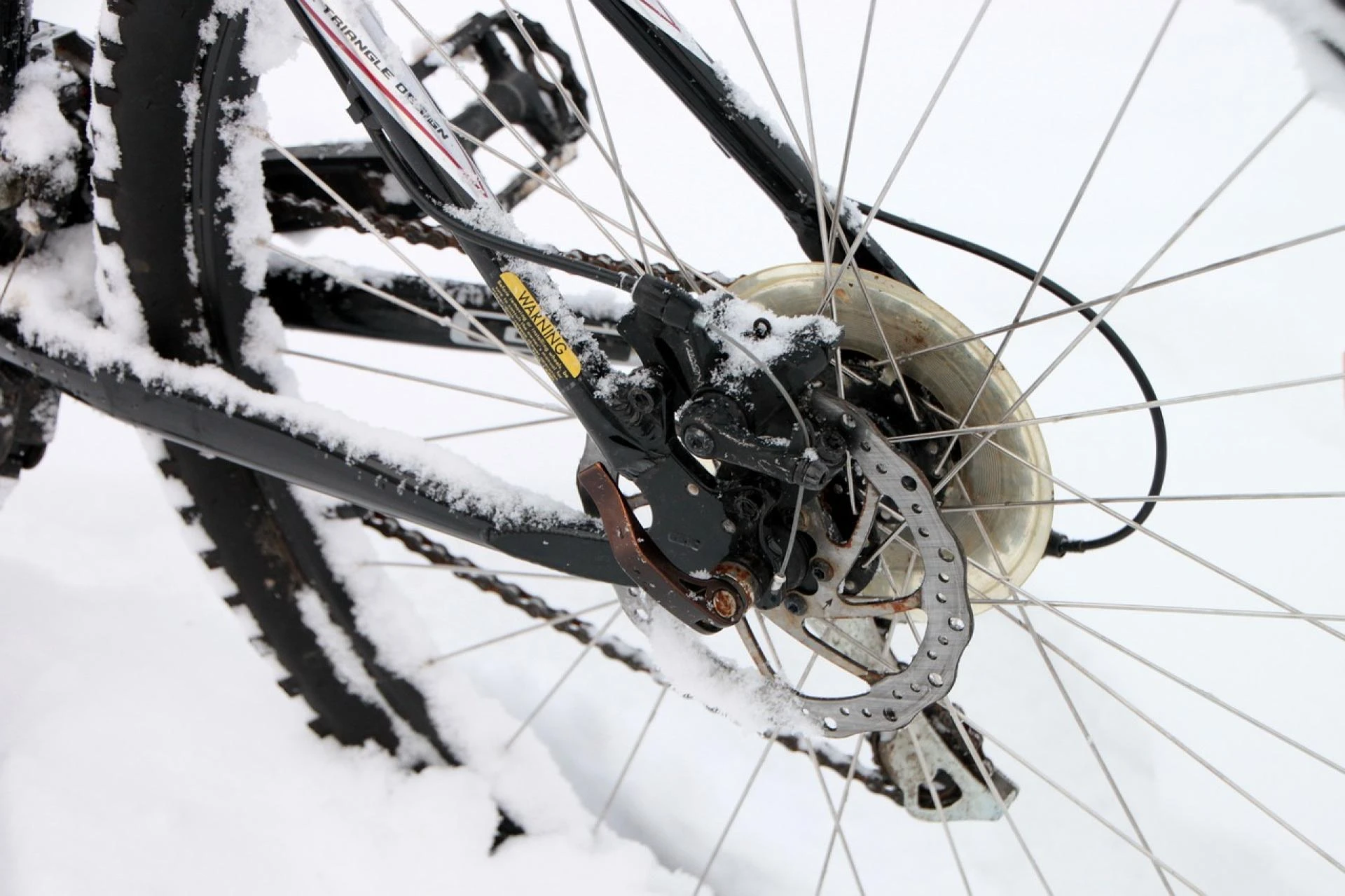

Winter brings its own set of challenges to cyclists, from icy roads to freezing temperatures. Riding in cold weather can take a toll on your bike if not properly maintained. To keep your trusty two-wheeler in top shape and ready for winter adventures, follow these essential bike maintenance tips to prevent cold-weather wear and tear.
1. Clean Your Bike Regularly
Winter riding often means encountering salt, slush, and road grime. These elements can lead to accelerated wear and corrosion. Regularly clean your bike, focusing on the drivetrain, frame, and brakes. Use a mild detergent and a soft brush to remove salt deposits and grime. Dry the bike thoroughly to prevent water-induced damage.
2. Lubricate Moving Parts
Cold temperatures can cause lubricants to thicken, reducing their effectiveness. Choose a winter-specific bike lubricant designed to withstand colder conditions. Apply lubricant to the chain, derailleurs, and other moving parts, ensuring smooth operation. Wipe off excess lubricant to prevent attracting dirt and debris.
3. Protect the Bike Chain
The chain is a critical component that can suffer in cold weather. Consider using a chain protector or guard to shield it from winter elements. Regularly check the chain's tension and lubrication, making adjustments as needed. A well-maintained chain contributes to smoother shifting and prolongs the life of your drivetrain.
Know - How to Clean a Bike Chain Without Removing It
4. Inspect Brakes and Pads
Cold weather can impact the performance of your brakes. Regularly inspect brake pads for wear and replace them if necessary. Check the brake cables for any signs of fraying or damage. Ensure that your brakes are properly aligned and adjusted for optimal stopping power in icy conditions.
5. Check Tire Pressure
Cold temperatures can cause a drop in tire pressure. Regularly check and adjust your tire pressure according to the manufacturer's recommendations. Properly inflated tires provide better traction, reduce the risk of flats, and enhance overall ride quality in cold weather.
6. Invest in Fenders
Winter roads are notorious for slush and water puddles. Installing fenders on your bike helps minimize the amount of water and debris thrown onto the frame and components. Fenders not only keep your bike clean but also protect it from corrosive elements, extending its lifespan.
7. Inspect the Frame
Regularly inspect your bike's frame for signs of rust or corrosion. Pay close attention to vulnerable areas like welds and joints. If you spot any damage, clean the affected area thoroughly, apply rust inhibitor, and touch up the paint if needed. A well-maintained frame is crucial for the structural integrity of your bike.
8. Protect the Cables
Cold temperatures can cause cables to stiffen, affecting shifting and braking performance. Apply a silicone-based lubricant to cables and housing to keep them flexible. Check for any signs of fraying or damage and replace cables if necessary. Well-maintained cables ensure responsive and reliable bike control.
9. Store Your Bike Properly
When not in use, store your bike in a dry and protected environment. If possible, keep it indoors to shield it from extreme cold, moisture, and potential theft. Elevate the bike to prevent prolonged contact with cold surfaces, which can contribute to corrosion.
Know - Winterization Tips for Your Mountain Bike
10. Use Frame Protectors
Invest in frame protectors or wraps to shield your bike's frame from scratches, chips, and abrasions caused by road debris and winter conditions. These protective accessories act as a barrier, preserving the aesthetics and structural integrity of your bike.
11. Regularly Check Bolts and Fasteners
Vibrations and temperature fluctuations can cause bolts and fasteners to loosen over time. Regularly check all bolts on your bike, including those on the handlebars, stem, seatpost, and pedals. Tighten any loose bolts to ensure the safety and stability of your bike during winter rides.
By implementing these cold-weather maintenance practices, you can protect your bike from the harsh elements of winter and ensure a smoother, more enjoyable riding experience. Regular care not only extends the life of your bike but also enhances its performance during the colder months. So, gear up, maintain your bike, and embrace the winter cycling adventures with confidence!



























Sign in to leave a comment.