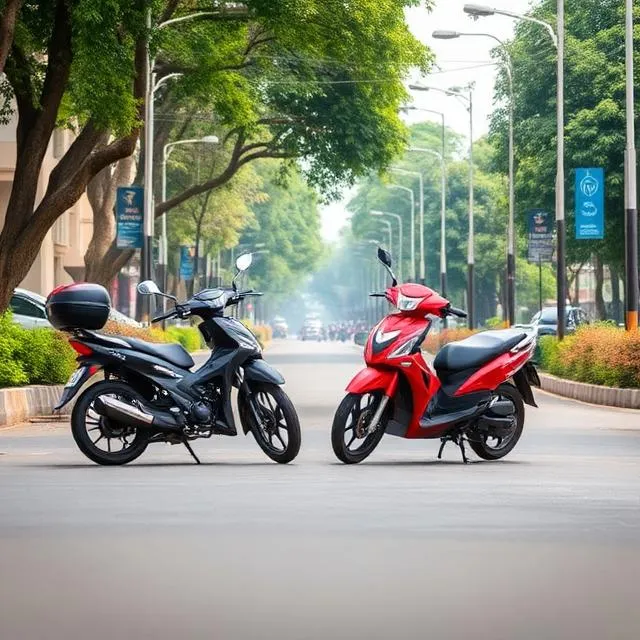

Urban commuting in India has changed dramatically over the past few years. With rising fuel prices, traffic congestion, and increasing costs of vehicle ownership, many city dwellers are rethinking how they get around.
In 2026, the debate between owning a bike vs renting one is more relevant than ever—especially in metro cities like Bangalore, Mumbai, Pune, and Delhi.
So, what makes more sense today? Let’s break it down.
The True Cost of Owning a Bike in 2026
Owning a bike has always been seen as a symbol of convenience and independence. But when you look closely, the actual cost goes far beyond the purchase price.
Key expenses include:
- Upfront purchase cost (₹80,000 – ₹2 lakh+)
- Insurance renewals
- Regular maintenance and servicing
- Fuel expenses
- Parking charges in urban areas
- Depreciation over time
In cities with heavy traffic, your bike often spends more time parked than on the road—making ownership less efficient for many commuters.
Why Bike Rentals Are Gaining Popularity
Bike rentals are no longer just for tourists. In 2026, they’ve become a practical solution for daily commuters, students, and working professionals.
Here’s why:
- No long-term commitment
- Pay only when you ride
- No maintenance headaches
- Access to different types of bikes
- Ideal for short-term or flexible needs
For people who don’t commute daily or prefer flexibility, renting often turns out to be more cost-effective.
Cost Comparison: Renting vs Owning
Let’s simplify this:
| Factor | Owning | Renting |
|---|---|---|
| Initial Cost | High | None |
| Monthly Expenses | Fixed + Variable | Pay-per-use |
| Maintenance | Your responsibility | Included |
| Flexibility | Low | High |
| Long-term Savings | Depends on usage | Better for low/medium usage |
👉 If you ride daily for long distances, owning may still make sense.
👉 But for occasional use, rentals are clearly more economical.
Urban Mobility Trends in India (2026)
Indian cities are evolving rapidly, and so are commuting patterns.
- Increase in remote and hybrid work
- Rising demand for last-mile connectivity
- Growth of shared mobility platforms
- Parking space becoming a major issue
- Greater awareness of cost-efficient travel
All these factors are pushing more people toward on-demand mobility solutions like bike rentals.
When Does Owning Still Make Sense?
Despite the shift, owning a bike is still a good option if:
- You commute long distances daily
- You prefer complete control and personalization
- You live in areas with limited rental availability
Ownership works best for consistent, high-frequency usage.
When Renting is the Better Choice
Bike rentals are ideal if:
- You commute occasionally
- You want to avoid maintenance and paperwork
- You travel frequently across cities
- You need different bikes for different purposes
In most urban scenarios today, renting offers better flexibility and lower financial burden.
A Smarter Way to Commute in Cities Like Bangalore
Cities like Bangalore are a perfect example of why bike rentals are booming. With unpredictable traffic and high vehicle density, owning a bike doesn’t always guarantee faster commutes.
Platforms like Royal Brother are making it easier for commuters to access reliable two-wheelers without the hassle of ownership. Whether it’s for daily travel, weekend rides, or short-term needs, users can simply choose a bike, book it online, and start riding.
If you're exploring flexible commuting options, you can check out bike rentals in Bangalore
to find options that suit different budgets and travel needs.
This approach is especially useful for:
- Working professionals with hybrid schedules
- Students who need affordable transport
- Travelers exploring the city
Final Verdict: What Should You Choose in 2026?
There’s no one-size-fits-all answer—but the trend is clear.
- Own a bike if you use it daily and long-term
- Rent a bike if you value flexibility, savings, and convenience
In 2026, mobility is no longer about ownership—it’s about access and efficiency.
For most urban commuters in India, bike rentals are proving to be the smarter, more practical choice.




















Sign in to leave a comment.