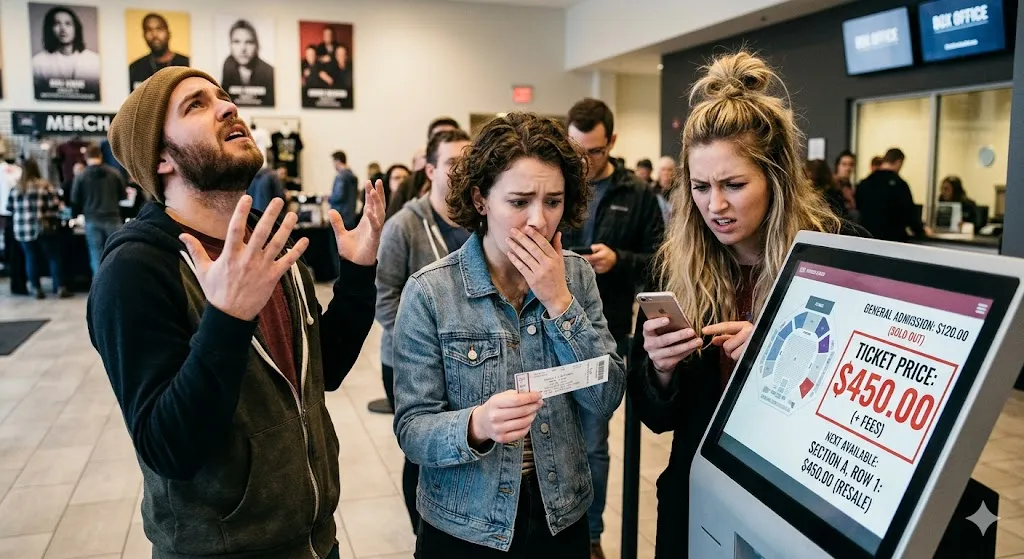

If you’ve ever tried to buy tickets to a major concert and felt shocked at the final price, you’re not alone. The question “why are concert tickets so expensive” has become increasingly common as fans face rising costs, hidden fees, and rapidly sold-out shows. What used to be an affordable night of live music now often feels like a luxury purchase.
In today’s ticketing landscape, prices can double—or even triple—within minutes due to demand, dynamic pricing, and resale markets. But there’s more going on behind the scenes than most people realize. From production costs to artist earnings and platform fees, the price you pay is influenced by a complex ecosystem. This article breaks down every major factor so you can understand exactly where your money goes—and how to make smarter buying decisions.
1. The Cost of Touring Production
Massive Stage Setups and Technology
Modern concerts are no longer simple performances—they’re full-scale productions. Think LED walls, pyrotechnics, moving stages, and immersive lighting systems. These elements can cost millions to design and transport.
Crew, Logistics, and Travel
A single tour can involve hundreds of staff members, including sound engineers, stagehands, security, and drivers. Add flights, hotels, and trucks transporting equipment across cities, and the costs stack up quickly.
Example: A large stadium tour can require 20–50 trucks just to move equipment between venues.
2. Artist Demand and Popularity
High Demand Drives Prices Up
When millions of fans compete for limited seats, prices naturally rise. This is basic supply and demand—if more people want tickets than there are available, prices increase.
Premium for Top-Tier Artists
Top artists command higher ticket prices because of their brand value and global appeal. Fans are often willing to pay more for a once-in-a-lifetime experience.
Stat: Major tours often sell out in minutes, with demand exceeding supply by 5–10 times.
3. Dynamic Pricing Models
How Dynamic Pricing Works
Ticketing platforms now use algorithms similar to airline pricing. Prices fluctuate in real time based on demand, meaning tickets can become more expensive as more people try to buy them.
Why Fans Feel Frustrated
Unlike traditional fixed pricing, dynamic pricing can lead to sudden spikes, making tickets unaffordable within minutes.
Analogy: It’s like booking a flight—waiting even a few minutes can significantly increase the price.
4. Ticketing Platform Fees
Service Charges and Convenience Fees
The price you see initially is rarely the final price. Ticket platforms add service fees, processing fees, and sometimes even “facility charges.”
Lack of Transparency
These fees can increase the ticket cost by 20–40%, often appearing only at checkout.
Example: A ₹5,000 ticket might end up costing ₹7,000 after fees.
5. Resale Market and Scalping
Secondary Market Inflation
Resellers buy tickets in bulk and list them at higher prices on secondary platforms. This drives up perceived market value.
Bots and Bulk Buying
Automated bots can purchase large quantities of tickets instantly, making it harder for genuine fans to buy at face value.
Stat: In some cases, resale prices can be 2–5 times the original ticket price.
6. Venue and Local Costs
Venue Rental and Maintenance
Concert venues charge significant fees for hosting events, including utilities, staffing, and maintenance.
City-Specific Pricing
Ticket prices can vary depending on the city due to local taxes, demand, and cost of living.
Example: Tickets in major metro cities are often significantly more expensive than in smaller towns.
7. Marketing and Promotion Expenses
Advertising Campaigns
Promoting a concert involves digital ads, billboards, media partnerships, and influencer campaigns.
Brand Partnerships and Sponsorships
While sponsorships can offset some costs, they don’t eliminate the need for ticket revenue to cover expenses.
Analogy: Launching a concert tour is similar to launching a major product—it requires heavy marketing investment.
Conclusion: What This Means for You
Concert tickets are expensive because they reflect a combination of production costs, demand, technology, and market dynamics. While it may feel frustrating, understanding these factors can help you make smarter choices—like buying early, avoiding resale platforms, or choosing less crowded venues.
If you’re someone who compares ticket prices before buying, take a strategic approach: track price trends, set a budget, and explore alternative dates or locations. With the right timing and awareness, you can still enjoy live music without overspending.
Ready to save on your next concert? Start comparing ticket options early and stay alert for price drops you might just score a great deal.



























Sign in to leave a comment.