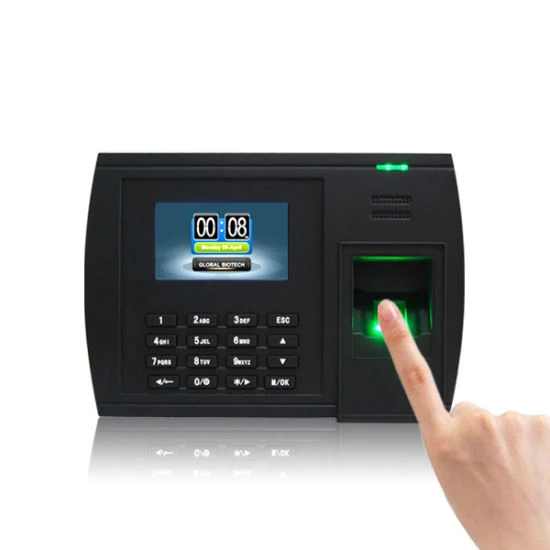

Biometric Attendance Machine and Building Management System: A Comprehensive Guide
In today's fast-paced world, businesses and organizations seek innovative solutions to improve efficiency and security. Two such groundbreaking technologies are the Biometric Attendance Machine and Building Management System. These solutions have revolutionized attendance tracking and building management, creating a seamless experience for employees, visitors, and administrators alike.
Biometric Attendance Machine
Biometric Attendance Machines have become an indispensable tool for organizations of all sizes. These devices utilize unique biological characteristics, such as fingerprints, facial features, or iris patterns, to accurately record employee attendance. The implementation of Biometric Attendance Machines offers several advantages:
Enhanced Accuracy: Biometric systems ensure precise attendance tracking, eliminating the possibility of proxy attendance and time theft.
Time and Cost Savings: Manual attendance tracking is laborious and time-consuming. With Biometric Attendance Machines, organizations save valuable resources.
Increased Security: Biometric data is highly secure and difficult to forge, enhancing overall security in the workplace.
Real-time Data Access: Administrators can access attendance data in real-time, allowing them to make prompt decisions.
Easy Integration: These systems can seamlessly integrate with payroll and HR management software, streamlining processes.
Biometric Attendance Machine: Features and Types
Biometric Attendance Machines come in various types, each with its unique features and capabilities. Here are some common types and their distinguishing features:
1. Fingerprint-based Biometric Attendance Machines
These machines use fingerprints to identify individuals and record attendance. They are among the most popular choices due to their reliability and ease of use.
2. Facial Recognition Biometric Attendance Machines
Facial recognition systems analyze facial features for attendance tracking. They are contactless, making them hygienic and convenient.
3. Iris Recognition Biometric Attendance Machines
Iris recognition devices capture the intricate patterns in the iris for identification. They are highly accurate and suitable for high-security environments.
4. Multi-modal Biometric Attendance Machines
These machines combine multiple biometric technologies, such as fingerprint and facial recognition, for enhanced accuracy and flexibility.
Implementing a Biometric Attendance System
The successful implementation of a Biometric Attendance System requires careful planning and execution. Here are the key steps to ensure a smooth transition:
Identify Requirements: Understand the organization's specific needs and choose the appropriate type of Biometric Attendance Machine.
Evaluate Software: Select robust attendance management software that complements the chosen biometric technology.
Enrollment Process: Enroll all employees in the system by capturing their biometric data.
Training and Awareness: Provide training to employees about using the new system and address any concerns they may have.
Integration with HR and Payroll: Integrate the attendance system with existing HR and payroll software for seamless data management.
Testing and Calibration: Thoroughly test the system and calibrate it for optimal performance.
Data Security Measures: Implement stringent data security measures to protect biometric information.
Building Management System (BMS)
A Building Management System, also known as a Building Automation System (BAS), is a centralized control system that efficiently manages and monitors various building functions. BMS offers a host of benefits:
Energy Efficiency: BMS optimizes energy usage, leading to significant cost savings and reduced carbon footprint.
Enhanced Comfort: The system regulates temperature, lighting, and ventilation, ensuring a comfortable environment for occupants.
Remote Monitoring: Building managers can remotely monitor and control systems, enabling quick responses to issues.
Predictive Maintenance: BMS utilizes data analytics to predict maintenance needs, reducing downtime and maintenance costs.
Integration Capabilities: The system can integrate with other smart building technologies, creating a comprehensive ecosystem.
Building Management System: Key Components
A Building Management System consists of various interconnected components, each serving a specific purpose:
1. Sensors and Actuators
Sensors gather data related to temperature, humidity, occupancy, and more, while actuators control various building systems based on the received data.
2. Central Controller
The central controller is the brain of the BMS, processing data from sensors and making informed decisions to optimize building operations.
3. User Interface
The user interface provides building managers with real-time information and allows them to interact with the system for manual adjustments.
4. Communication Protocols
BMS relies on communication protocols like BACnet and Modbus to ensure seamless data exchange between devices.
Implementing a Building Management System
Implementing a Building Management System requires careful planning and collaboration among various stakeholders. Here's a step-by-step guide:
Building Assessment: Conduct a thorough assessment of the building's systems and infrastructure to determine the scope of BMS integration.
Identify Objectives: Define clear objectives and goals for implementing the BMS, such as energy savings, improved comfort, and sustainability.
Selecting the Right BMS: Choose a reputable BMS provider that offers solutions tailored to the building's requirements.
Integration Planning: Develop a detailed integration plan, including hardware installation and software setup.
Testing and Commissioning: Thoroughly test the BMS and commission it for smooth operation.
Training and Familiarization: Train building staff on using the BMS and its various features.
Monitoring and Optimization: Continuously monitor the BMS performance and make necessary adjustments for optimal efficiency.
Conclusion
Biometric Attendance Machines and Building Management Systems have emerged as game-changers in attendance tracking and building automation. These technologies offer accuracy, efficiency, and enhanced security, transforming workplaces and buildings into intelligent, user-friendly spaces. By embracing these innovations, organizations can optimize operations, reduce costs, and improve overall productivity.
























Sign in to leave a comment.