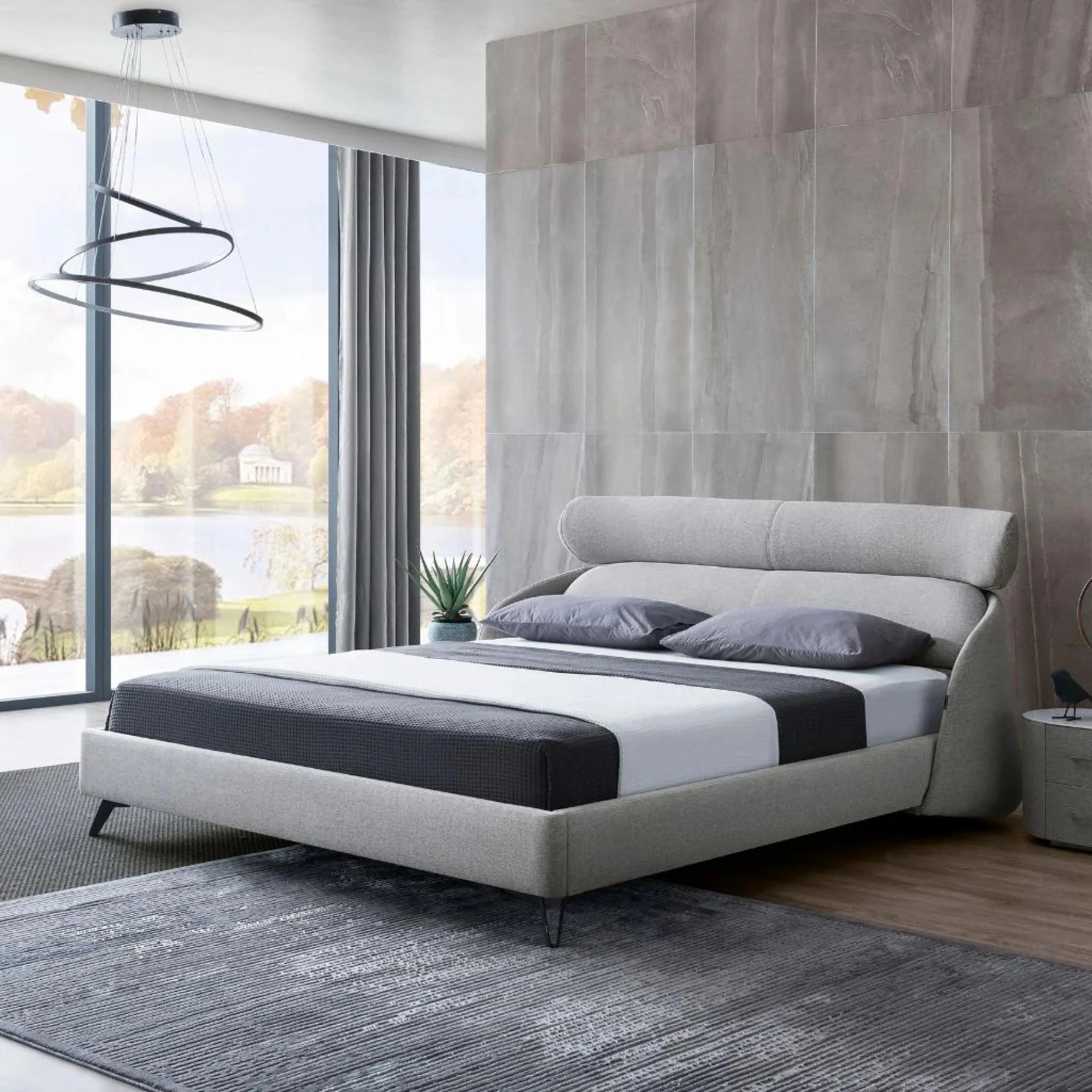

Our built environments have a profound impact on our well-being, and biophilic design is a concept that seeks to reconnect people with nature through intentional design choices.
By integrating natural elements such as light, plants, textures, and views of the outdoors, biophilic design creates spaces that promote relaxation, productivity, and overall well-being.
What Is Biophilic Design?
Biophilic design is based on the idea that humans have an inherent connection to nature, and incorporating natural elements into our living and working spaces can improve mental and physical health. Studies have shown that exposure to nature can reduce stress, enhance cognitive function, and improve mood. The goal of biophilic design is to create environments that mimic natural settings, fostering a sense of calm, balance, and harmony.
This design philosophy is not about simply adding a few plants to a room—it’s about creating a holistic experience that engages all the senses through thoughtful use of light, materials, textures, and spatial layouts.
Core Principles of Biophilic Design
Biophilic design is built on several key principles that guide how natural elements are integrated into indoor spaces:
1. Maximising Natural Light
Natural light is one of the most important aspects of biophilic design. Exposure to sunlight regulates our circadian rhythm, improves mood, and enhances overall well-being. To maximise natural light in your home:
● Use large windows and skylights to bring in as much daylight as possible.
● Select sheer or light-filtering curtains instead of heavy drapes.
● Position mirrors strategically to reflect light and brighten darker areas.
● Choose light-coloured walls and furniture to enhance the sense of openness.
If natural light is limited, consider using full-spectrum LED bulbs that mimic daylight to maintain a natural ambience indoors.
2. Incorporating Plant Life
Plants are one of the easiest and most effective ways to integrate biophilic design into your home. They improve air quality, add texture, and create a calming atmosphere. Some great options include:
● Low-maintenance plants like snake plants, pothos, and peace lilies.
● Vertical gardens or living walls for a dramatic and space-saving greenery display.
● Herb gardens in the kitchen, provide both aesthetic appeal and fresh ingredients.
Grouping plants of varying heights and leaf textures can enhance the organic feel of a room, making it feel more dynamic and alive.
3. Using Natural Materials and Textures
The materials used in a space significantly impact its connection to nature. Opting for natural materials like wood, stone, rattan, and linen can create a warm and organic feel. Some ways to integrate natural materials include:
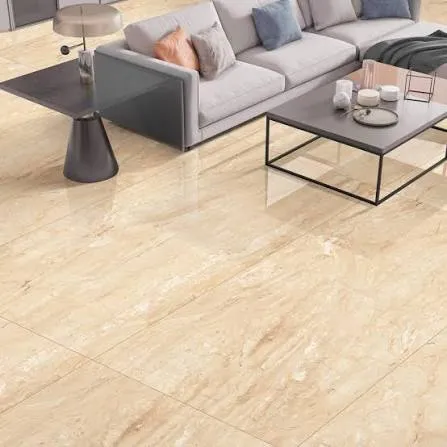
● Choosing wooden furniture and flooring for an earthy, grounding effect.
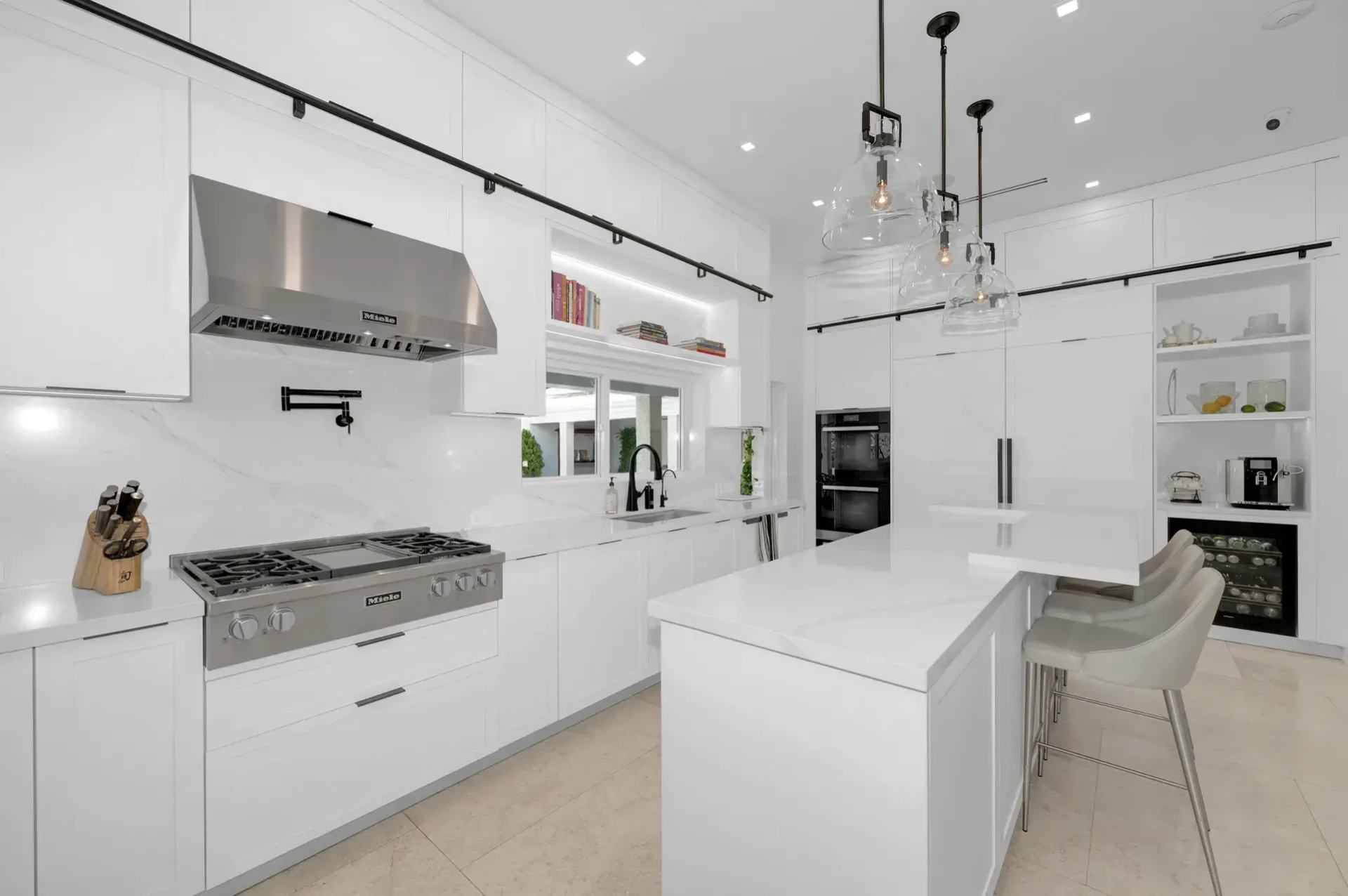
● Using stone or ceramic tiles for countertops and backsplashes.
● Incorporating woven textiles like jute rugs, linen curtains, and cotton upholstery.
When selecting furniture, consider investing in pieces that align with both biophilic design and modern aesthetics. For example, a modern bedroom often combines sleek lines with natural wood finishes, creating a balance between contemporary style and organic warmth.
4. Creating Views of Nature
Having a direct visual connection to nature can improve focus and reduce stress. If your home has access to a scenic outdoor view, make the most of it by:
● Placing seating areas near windows.
● Using glass doors to open up spaces to outdoor greenery.
● Arrange furniture to face natural focal points, such as gardens or water features.
For those in urban settings without access to outdoor views, nature-inspired artwork, landscape photography, or digital screens displaying natural scenes can offer similar benefits.
5. Engaging the Senses
Biophilic design goes beyond what we see—it also considers how spaces feel, sound, and even smell. Creating a multi-sensory experience can enhance the impact of nature-inspired design:
● Sound: Incorporate elements like water fountains or nature soundscapes to promote relaxation.
● Texture: Layer different materials like soft wool throws, smooth stone countertops, and rustic wooden furniture to add depth.
● Scent: Use natural essential oils, beeswax candles, or fresh flowers to introduce soothing scents like lavender, eucalyptus, or citrus.
By engaging multiple senses, a space can feel more immersive, fostering deeper relaxation and connection to nature.
How to Incorporate Biophilic Design in Different Rooms
Living Room
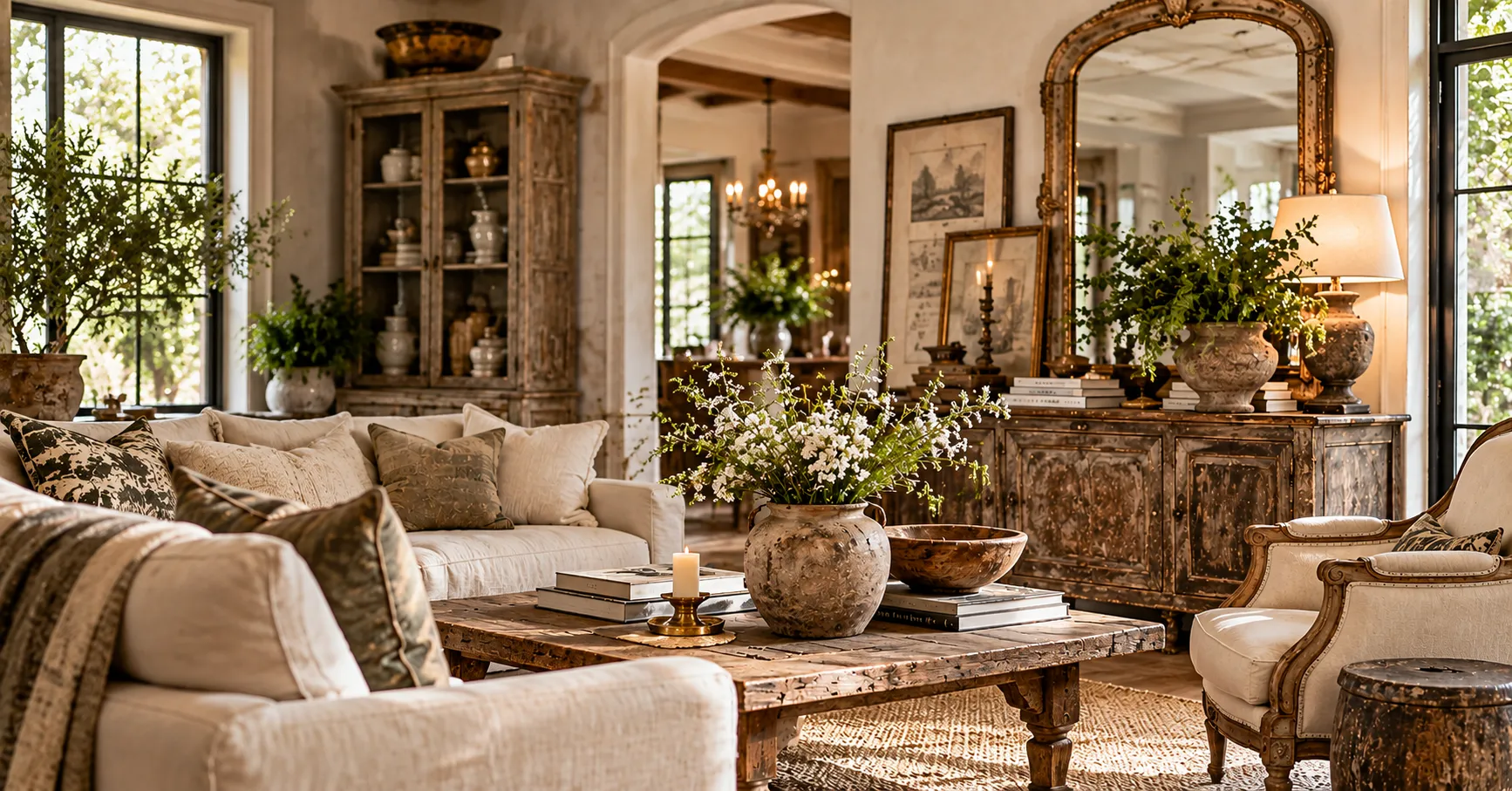
The living room is the heart of the home, making it the perfect place to incorporate biophilic design. A combination of natural materials, greenery, and soft lighting can create a cosy yet airy atmosphere. Consider:
● Opting for furniture with organic forms and textures.
● Positioning seating near windows to maximise daylight exposure.
● Adding a modern-inspired lounge chair with a soft linen throw for a relaxing touch.
● Using wooden coffee tables, stone vases, and woven baskets to enhance the natural aesthetic.
Bedroom
The bedroom should be a sanctuary for rest and rejuvenation, making biophilic elements essential for a good night’s sleep. Here’s how to integrate them:
● Choose wooden bed frames and natural fibre bedding for an earthy, grounding effect.
● Introduce soft, ambient lighting that mimics sunset hues to promote relaxation.
● Use blackout curtains made from natural fabrics to control light exposure.
● Place potted plants like aloe vera or lavender to improve air quality and promote relaxation.
Investing in modern bedroom furniture from Melbourne that incorporates natural wood and neutral tones can further enhance the calming ambience.
Bathroom
Bringing a biophilic design into the bathroom creates a spa-like retreat. Key elements include:
● Using stone or wooden elements for countertops and shelving.
● Adding humidity-loving plants like ferns or bamboo.
● Incorporating natural light through frosted windows or skylights.
The Benefits of Biophilic Design
Incorporating biophilic design into your home isn’t just about aesthetics—it also offers numerous benefits, including:
● Reduced Stress: Natural elements help lower cortisol levels and promote relaxation.
● Improved Air Quality: Indoor plants can filter pollutants and increase oxygen levels.
● Enhanced Focus and Productivity: Exposure to natural light and greenery has been linked to increased cognitive performance.
● Better Sleep: A calming, nature-inspired bedroom environment supports healthy sleep patterns.
● Increased Energy Efficiency: Maximising natural light reduces the need for artificial lighting, cutting down on energy consumption.
By incorporating natural light, plant life, organic materials, and sensory elements, you can transform your living space into a sanctuary that promotes well-being. Whether you’re updating a single room or redesigning your entire home, embracing biophilic principles can enhance comfort, reduce stress, and foster a deeper connection to nature—all while maintaining a stylish and modern aesthetic.
For those looking to blend contemporary design with biophilic elements, exploring options for modern beds in Melbourne can provide the perfect balance of function and natural beauty. With thoughtful choices, you can create a home that not only looks beautiful but also feels rejuvenating and connected to the world outside.



























Sign in to leave a comment.