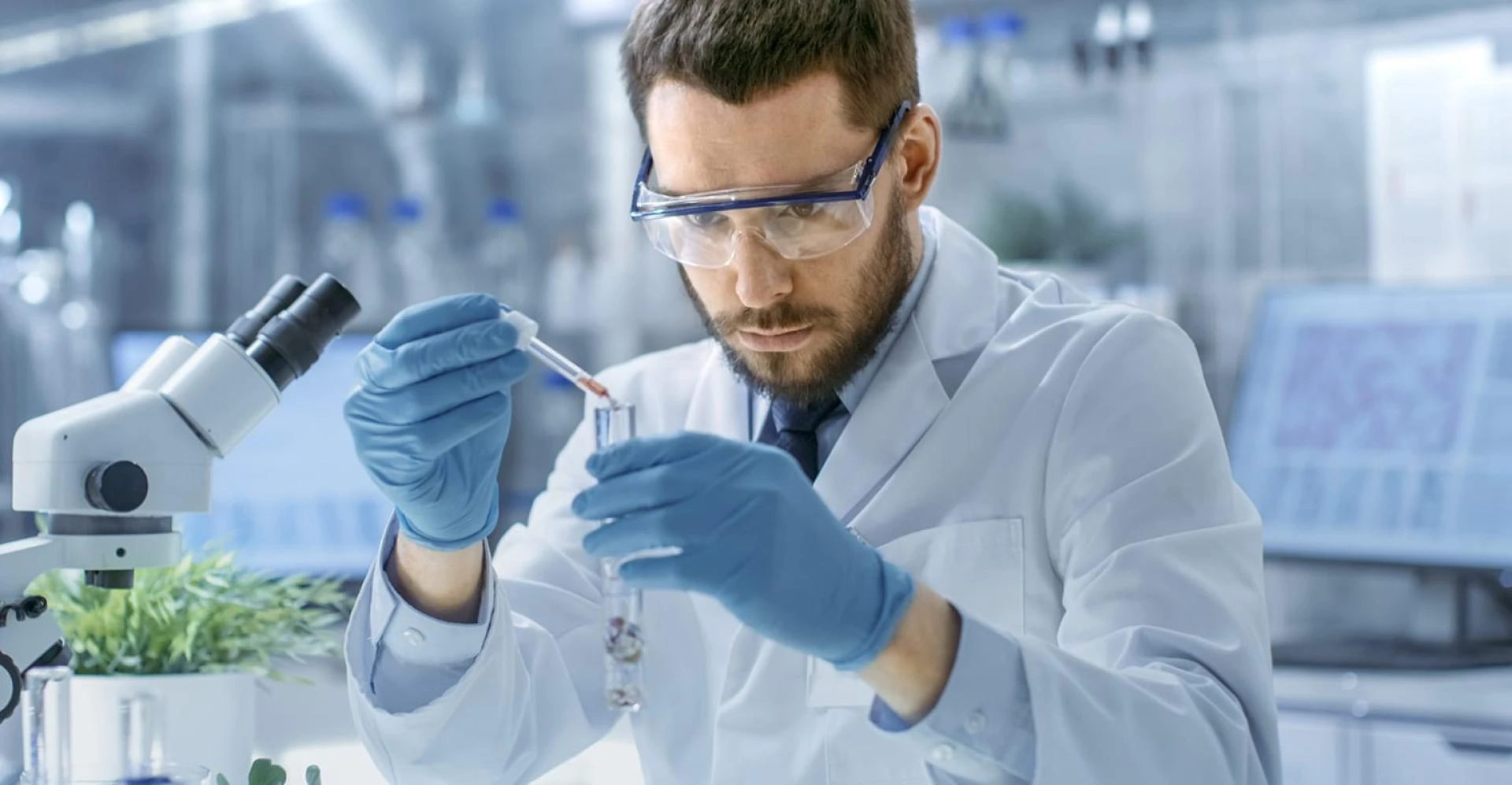

BS Biotechnology isn’t simply about working in a lab wearing a white lab coat and making medicines to enhance people’s lives, contrary to popular belief. Sales and marketing, research and development, production, and quality management of medications and medical devices are just a few of the job choices available in this industry. We discover the overall Biotechnology scope in Pakistan in this article.
Biotechnology scope in Pakistan
Although biotechnology has been known since the dawn of time, the first breakthrough occurred in the realm of food sciences approximately 5000 BC. Agriculture, food science, waste management, medicine, and the mining industry are all examples of biotechnology. Although biotechnology has been known since the dawn of time, the first breakthrough occurred in the realm of food sciences approximately 5000 BC.
To increase the variety of species, a vast number of different strains of plants and animals were hybridized.
Biotechnology has been used to develop novel biodegradable materials, transfer specific genes from one organism to another, and to preserve and cultivate genetically modified goods such as monoclonal antibiotics. Because of the importance of biotechnology in Pakistan, the National Commission on Biotechnology was established, with many programmes in various domains of biotechnology, mostly in the health and agriculture sectors.
Some of the many educational institutes in Pakistan offering degree courses in biotechnology are:
Department of Biotechnology ,The University of FaisalabadDepartment of biotechnology, University of KarachiNational institute for biotechnology and genetic engineering (NIBGE), FaisalabadDepartment of Biochemistry, University of Arid Agriculture RawalpindiSchool of Biological Sciences, Punjab UniversityDepartment of Biotechnology, University of PeshawarInstitute of Biotechnology and Genetic engineering NWFP Agricultural University, PeshawarBS Biotechnology Subjects In Pakistan:
This is an eight-semester graduate programme that takes four years to complete. Various colleges have different course designs, however, the Higher Education Commission (HEC) has established a specific study plan for this discipline that a student must adhere to. For broad information, read the following PDF brochure, while detailed information about a specific university can be obtained by contacting that university.
Islamic studies The teaching of Holy Quran with TranslationEnglishMathematicsInformation and communication technologyBiochemistryPakistan studiesOrganic and Inorganic ChemistryCell biologyIntroduction to BiotechnologyPsychologyEcology, Biodiversity & EvolutionMicrobiologyAnalytical Chemistry & InstrumentationSociologyPhysical ChemistryClassical GeneticsBioinformaticsEntrepreneurshipBiostatisticsBiological PhysicsMethods in Molecular BiologyPrinciples of Biochemical EngineeringImmunologyResearch MethodologyMolecular BiologyGenetic Resources & ConservationMicrobial BiotechnologyAgriculture Biotechnology Environment BiotechnologyHealth BiotechnologyFood BiotechnologyCell and Tissue Culture TechnologyRecombinant DNA TechnologyHealth BiotechnologyFood BiotechnologyCell and Tissue Culture TechnologyRecombinant DNA TechnologyResearch ProjectBiosafety & BioethicsDNA Damage and RepairIndustrial BiotechnologyImportance of Biotechnology
Biotechnology is a broad term that refers to a variety of techniques and technologies used in bio-industrial production and bio-genetic-controlled processes involving plants, animals, and people. Genetic manipulation is the most common way of harnessing living beings and biomolecular processes to create or modify the physical properties of diverse goods.
Antibiotics, biofuels, and genetically modified foods are examples of biotech products or techniques. Genetic pathways that lead to organ regeneration are a significant medical use of biotechnology.
Agriculture, food supply and security, climate management, and medicine are all sectors where biotechnology plays a role. Biotechnology can also aid in the resolution of some of the most serious environmental challenges, such as oil spills, pesticide side effects, and contaminated water, thereby improving the natural environment’s health.
Graduates of biotechnology pursue professions in the chemical, pharmaceutical, food, and environmental industries, as well as genetics and regenerative medicine, process control, and research and development. Bioinformatician, biophysicist, quality control analyst, biomedical engineer, pharmaceutical sales representative, or crime lab technician are some examples of job titles.
Biotechnology Jobs In Pakistan:
In the preceding short section, I discussed the extent of biotechnology in Pakistan, and you can see how inventive bio-technologists are needed in Pakistan. As a result, businesses pay their staff generous compensation. One might also pursue a teaching career and work as a lecturer in biotechnology at any university or institution, earning a good monthly salary.
After earning this degree, you can pursue any of the following positions: Bio-technologist Engineer in Bio-Laboratory
Engineer (Genetic)DNA expertThe engineer who designs the structure of species cellsSimilarly, there are numerous occupations and careers in biotechnology in Pakistan that one might pursue based on his or her qualifications. However, there is one thing to keep in mind.
Universities Offering Biotechnology In Pakistan
The University of FaisalabadCOMSATS Institute of Information Technology, AbbottabadNational University of Science and Technology NUSTInternational Islamic University IslamabadUniversity of Sindh, JamshoroBacha Khan University, CharsaddaUniversity of Karachi UOKBahria University, IslamabadGovernment College University GCU LahoreBahauddin Zakaria University BZU Multan Sub Campus LahoreLahore Garrison UniversityLahore College for Women UniversityUniversity of Central Punjab UCP LahoreVirtual University of Pakistan, LahoreAbdul Wali Khan University, Mardan0
0



























Sign in to leave a comment.