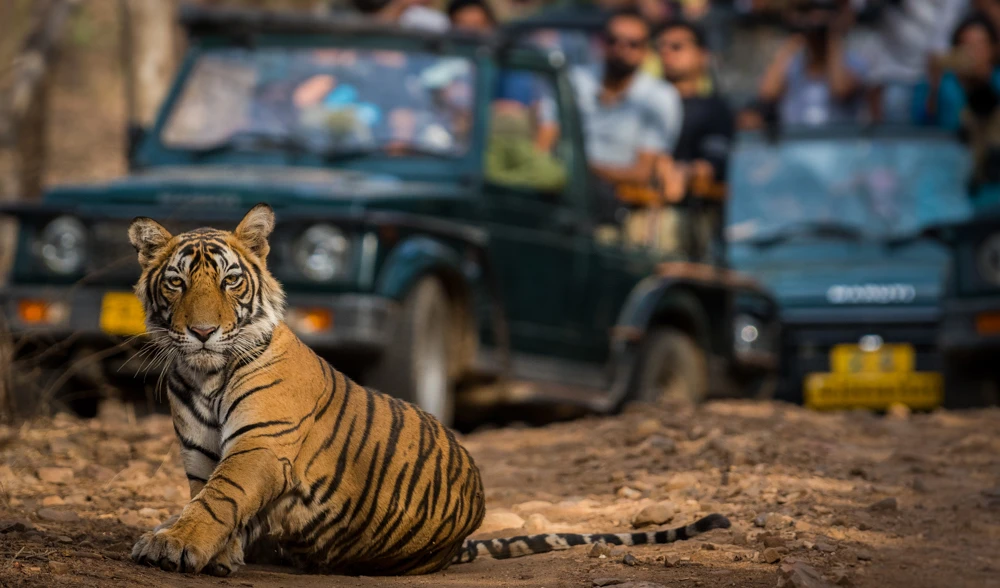

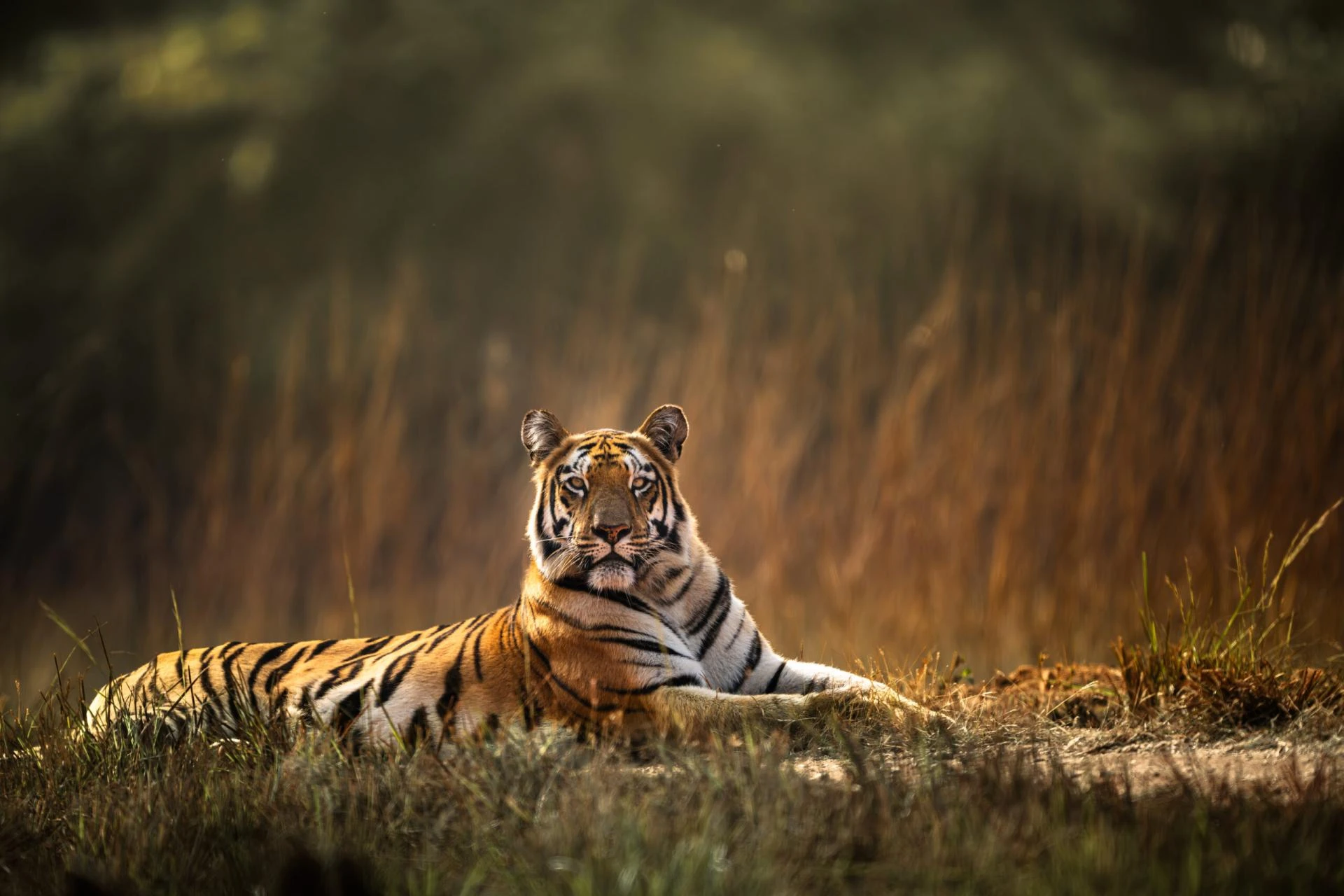
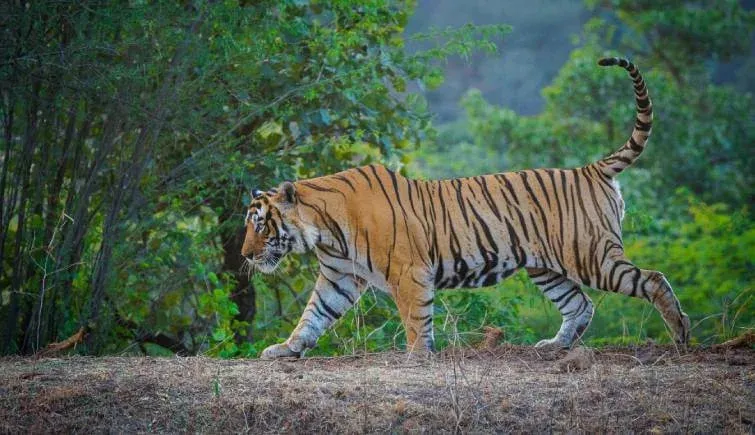
Tucked away in the Sawai Madhopur district of Rajasthan, Ranthambore National Park is a destination that blends raw wilderness with a rich historical legacy. Known for its thriving tiger population, ancient fort ruins, and diverse flora and fauna, Ranthambore attracts nature lovers, wildlife photographers, and cultural explorers from all corners of the world. If you're planning your trip to Rajasthan, a best resort in Ranthambore can serve as the ideal base to explore this magnificent region.
Understanding the Ranthambore Safari Experience
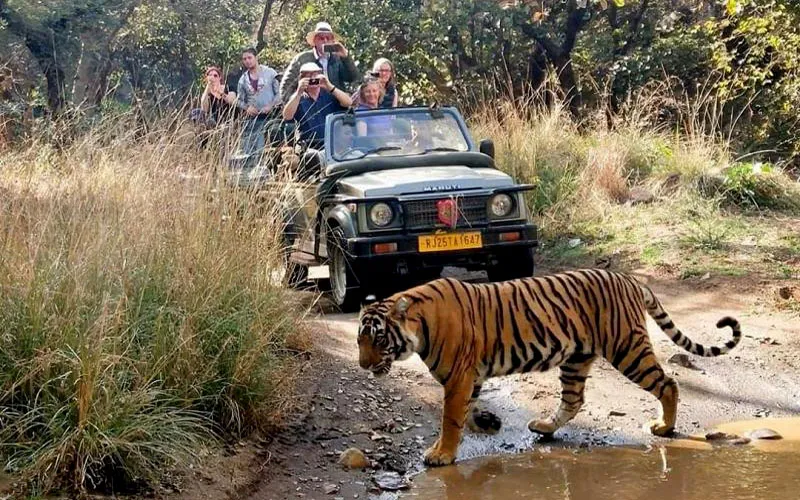
Ranthambore offers two primary safari experiences: jeep safaris and canter safaris. Both options provide exceptional wildlife viewing opportunities, but each has its advantages. Jeep safaris are ideal for those seeking a more private, flexible, and immersive experience, while center safari in ranthambore offers a broader perspective in a shared open bus that seats up to 20 passengers. Canter safaris are perfect for group travel and are widely available, covering specific zones of the park known for high tiger visibility.
Safari tours are conducted twice daily, in the early morning and late afternoon. Timing is critical since animals are more active during cooler hours. While tigers are the park's main draw, Ranthambore is also home to leopards, sloth bears, wild boars, hyenas, sambar deer, and over 270 species of birds. Every safari zone offers a unique blend of landscape and wildlife, and visiting different zones increases your chances of spotting elusive creatures.
The Importance of Zone Selection in Ranthambore
Ranthambore National Park is divided into ten safari zones. Each zone has distinct characteristics and varying wildlife density. Zones 1 to 5 are considered core zones, known for frequent tiger sightings. These zones include features like lakes, dense forests, and open grasslands. Zones 6 to 10, although relatively newer, have gained popularity due to recent sightings and are often less crowded.
Booking early can give you better access to preferred zones. It’s important to remember that sightings depend on nature and cannot be guaranteed, but understanding animal behavior and selecting the right time and zone can improve your chances.
Beyond the Safari: What Else to See
While the wildlife safari is the highlight of any trip to Ranthambore, the region offers more than just thrilling tiger sightings.
1. Ranthambore Fort
This 10th-century fort is a UNESCO World Heritage Site and stands as a testament to Rajasthan's historic valor. Perched on a hill within the national park, the fort offers panoramic views of the surrounding jungle and lakes. Exploring the ruins, temples, and ancient architecture adds depth to your Ranthambore journey.
2. Surwal Lake
A haven for bird watchers, Surwal Lake is a seasonal water body attracting migratory birds, especially between November and March. You can spot flamingos, spoonbills, and kingfishers in their natural habitat, making it an excellent stop for photographers and birding enthusiasts.
3. Padam Talao
This is the largest lake within the park, often seen during safaris. The lake's banks are frequented by animals, and the view of Jogi Mahal—an old hunting lodge on its edge—adds an ethereal charm to the scene.
4. Raj Bagh Ruins
Set amidst a lush jungle backdrop, the Raj Bagh ruins are a picturesque combination of crumbling arches, domes, and steps. These remnants of royal structures offer a unique contrast to the wild terrain surrounding them and often serve as resting spots for big cats.
When Is the Best Time to Visit Ranthambore?
The park is open from October to June, with each season offering different experiences. The winter months (November to February) are ideal for comfortable travel and active wildlife. Summer (March to June) is hotter, but animal sightings around water bodies are more frequent. Monsoon season (July to September) sees the park closed to visitors, although some buffer zones may still operate.
Planning your visit according to the season and wildlife patterns can significantly enhance your safari experience. Consulting with local experts or naturalists can also provide valuable insights.
Staying Amidst Nature: Accommodation Tips
Staying close to the park not only saves travel time but also immerses you in the region’s atmosphere. Ranthambore offers a variety of accommodation options, from heritage hotels and budget lodges to luxury tents in Ranthambore that combine modern comfort with the rustic charm of the wild. Waking up to birdsong and having breakfast under open skies adds to the authenticity of your trip.
Choosing eco-friendly resorts that support local conservation efforts and employ naturalists can enrich your overall experience. Many accommodations also offer guided walks, cultural programs, and night-time storytelling sessions to deepen your connection with the region.
Responsible Tourism in Ranthambore
While enjoying the grandeur of Ranthambore, it’s vital to follow guidelines that protect its ecosystem. Always maintain silence during safaris, avoid littering, and never feed or provoke animals. Hiring trained guides and supporting local businesses not only ensures a safer trip but also contributes to the region’s conservation.
Photography is encouraged, but flash should be avoided to prevent distress to wildlife. Refrain from wearing bright colors during safaris, and always respect park boundaries. Responsible tourism ensures that future generations can enjoy the same pristine beauty of Ranthambore.
Final Thoughts
Ranthambore is not just a place—it’s a story unfolding in every trail, every roar in the distance, and every rustle in the bushes. A well-planned safari can be transformative, offering moments of awe, learning, and connection with nature. Whether you're an adventurer, a wildlife enthusiast, or someone seeking a break from urban life, Ranthambore delivers an experience that lingers long after the journey ends.
Pairing your safari with the right accommodation, understanding zone dynamics, and engaging in meaningful exploration beyond the jeep trail are keys to unlocking the full potential of Ranthambore. Let the jungle speak, the fort whisper its tales, and the landscape leave you spellbound.


























Sign in to leave a comment.