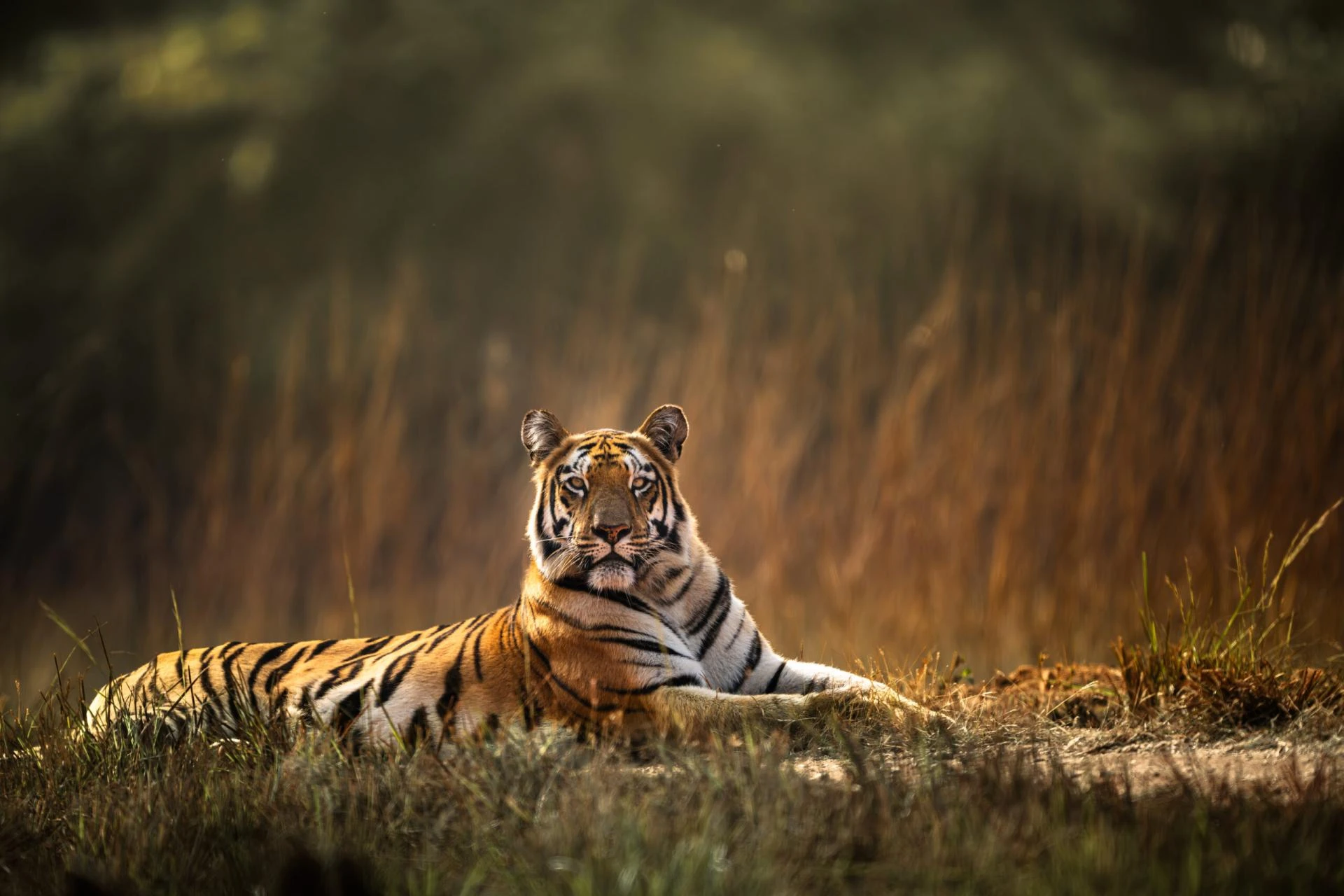

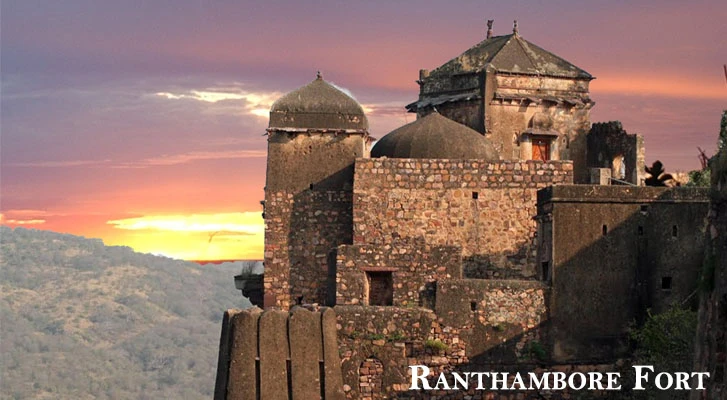
Tucked away in the rugged terrain of eastern Rajasthan, Ranthambore National Park is one of India’s most iconic wildlife destinations. This vast forested reserve, once the royal hunting grounds of Maharajas, is now a sanctuary for nature lovers, photographers, and adventurers seeking a genuine encounter with India’s most prized wild inhabitants. Whether you're here for the thrill of spotting a big cat or the peace that comes from being close to nature, the experience is elevated when you stay at the best resort in Ranthambore, which places you right at the edge of the action.
Ranthambore isn’t just about tigers. The park spans over 1,300 square kilometers and is teeming with diverse species—from elusive leopards to flocks of migratory birds. If you’re planning your first jungle adventure or returning for another round of wild discovery, these are the five animals you absolutely must look out for in Ranthambore.
1. Bengal Tiger – The Star of the Jungle
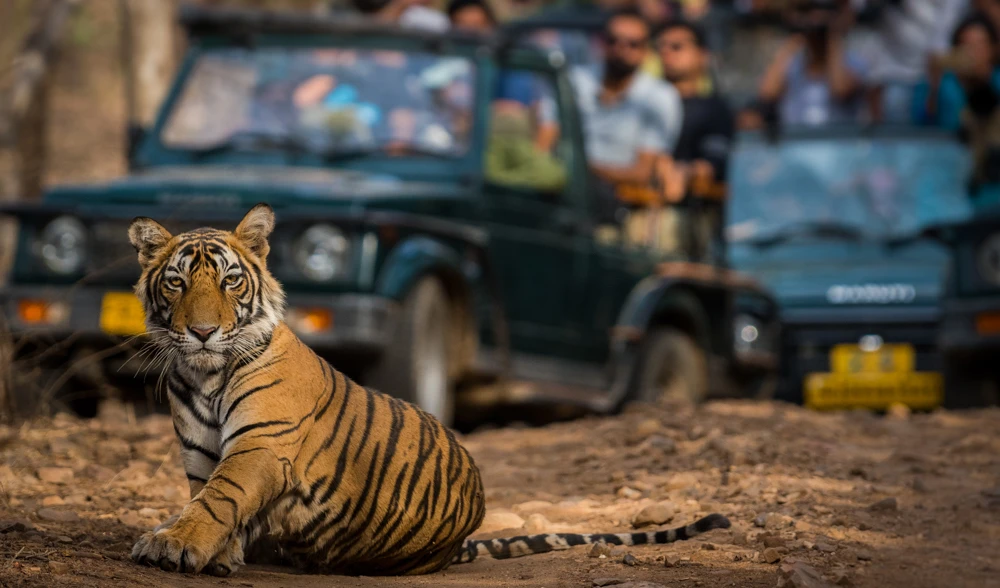
No trip to Ranthambore is complete without trying to catch a glimpse of the majestic Bengal tiger. These solitary big cats are the heart of the park’s appeal. What makes Ranthambore unique is the relative ease with which tigers can be spotted, thanks to the open terrain and growing tiger population. The park has been home to many famous tigers, including Machli, the legendary tigress known for her strength and grace. Early morning safaris offer the best chance of seeing them in their natural habitat—stalking prey, resting near water bodies, or marking territory. Their regal presence makes every sighting unforgettable.
2. Indian Leopard – The Elusive Ghost
While tigers steal the spotlight, leopards quietly reign over the rocky outcrops and dense patches of the park. Sleek, powerful, and incredibly shy, these spotted predators are expert climbers and often rest in the trees during the day. Sightings are rarer than those of tigers, but that makes them all the more special. Visitors often spot them in the Kachida Valley region, a leopard-preferred zone due to its hilly terrain. Be alert—leopards move silently and can vanish in the blink of an eye.
3. Sloth Bear – The Night Wanderer
Often misunderstood and underrated, the sloth bear is a fascinating creature with a shaggy coat, white chest patch, and a long, flexible snout. These bears are mostly nocturnal, but they’re occasionally seen during early morning safaris. They feast on termites, fruits, and honey, and can be surprisingly fast when startled. The best chance of spotting one is near fruiting trees or termite mounds. Watching a sloth bear amble through the forest offers a rare glimpse into India’s lesser-known wildlife.
4. Marsh Crocodile – The Silent Predator of the Waters
Found lurking in the park’s lakes and riverbanks, the marsh crocodile is a prime example of why it pays to keep your eyes on the water as much as the forest. These reptiles may look sluggish when basking in the sun, but they’re capable of explosive speed when hunting or defending territory. Their prehistoric look and patient hunting tactics make them a fascinating species to observe, especially at lakes like Padam Talao or Rajbagh, where they often share space with deer and birds.
5. Sambar Deer – The Tiger’s Favorite Prey
While not a predator, the sambar deer is one of the most important species in Ranthambore’s ecosystem. These large, sturdy deer with dark brown coats are the primary prey for the park’s big cats. You’ll often hear their distinctive alarm calls echoing through the forest—a signal that a predator is nearby. Unlike the more skittish spotted deer, sambars are confident and can often be seen grazing in open areas or cooling off in water bodies. Their behavior is a good indicator of where tigers might be lurking.
Enhance the Experience with a Guided Safari
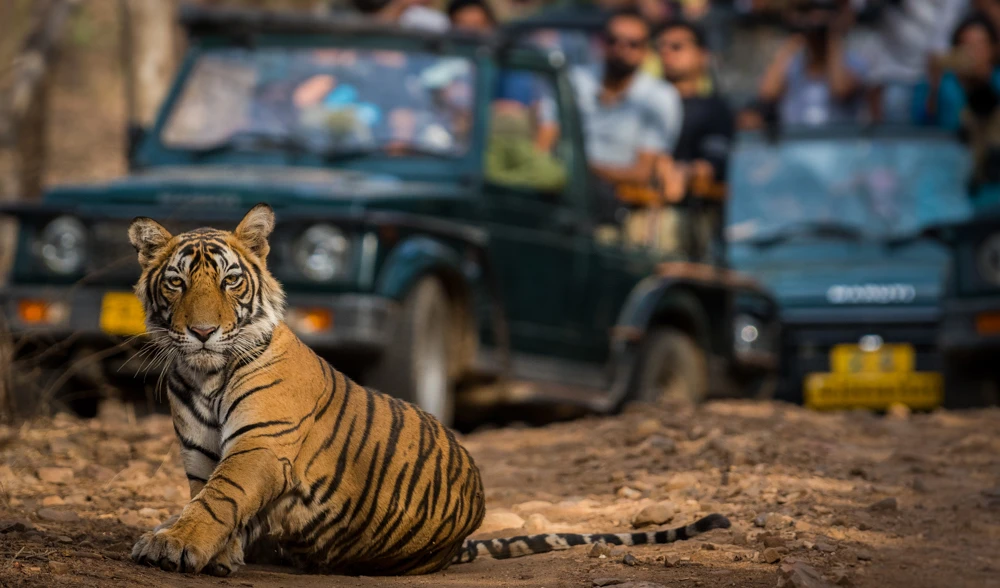
The best way to encounter these animals is through a guided canter safari in Ranthambore, which takes you deep into the park’s core zones. With experienced naturalists at the helm, these shared 20-seater vehicles allow for panoramic views and maximize the chances of spotting wildlife. Zones are allocated by the Forest Department, and each has its own character and resident animals. Booking your safari in advance is strongly recommended, especially during peak season from October to June.
Staying Close to Nature in Comfort
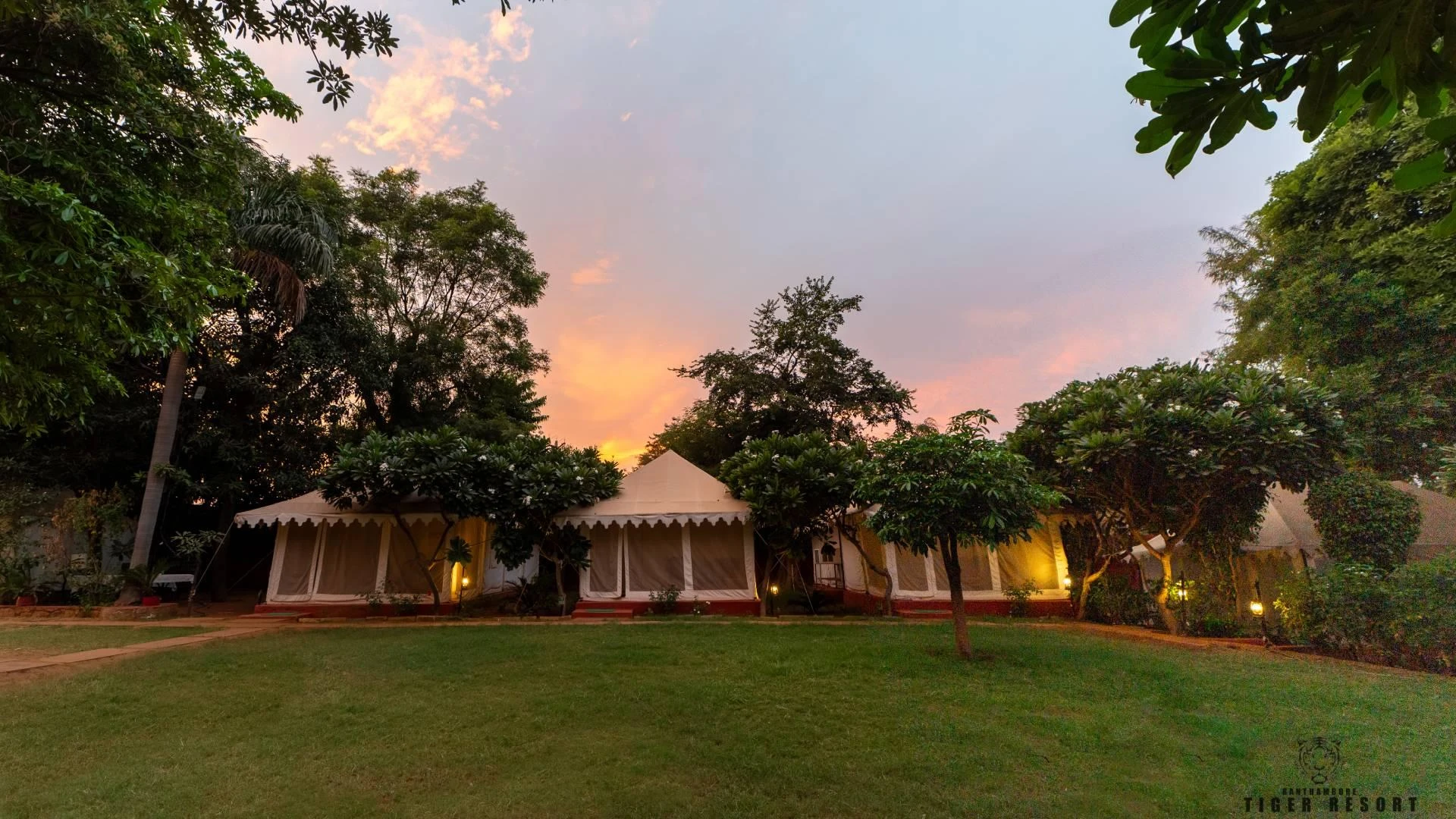
After a day of intense wildlife exploration, comfort matters. Staying at a Luxury resort in Ranthambore ensures that your jungle adventure continues in style. With spacious rooms, modern amenities, and eco-conscious design, these resorts offer more than just a place to sleep—they immerse you in the Ranthambore experience. Some even offer nature walks, in-house naturalists, and private balconies overlooking the forest.
Pro Tips for a Successful Wildlife Sighting
- Go early: Morning safaris often have higher chances of animal activity.
- Stay quiet and alert: Movement and noise can scare animals away.
- Dress in earthy tones: Camouflage with the forest helps you blend in.
- Bring binoculars and a good camera: Essential for birdwatching and distant sightings.
- Listen to your guide: They know the jungle better than anyone else.
Ranthambore isn’t just a national park—it’s a living, breathing canvas of the wild. Every visit offers something new, something unexpected. And when you stay somewhere that brings the forest to your doorstep, the line between adventure and comfort blurs beautifully.


























Sign in to leave a comment.