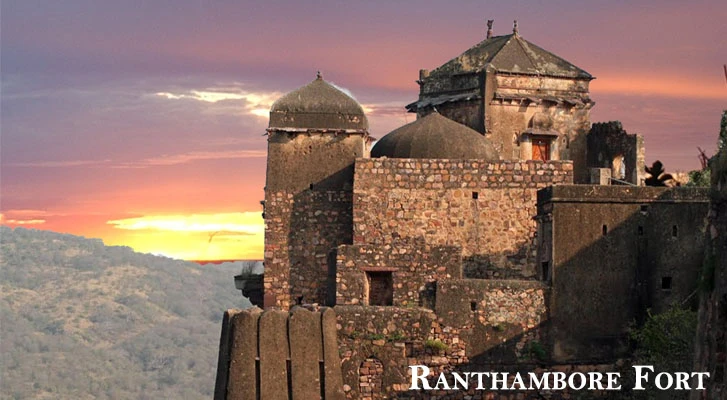

Ranthambore, nestled in the rugged terrains of Rajasthan, is one of India’s most captivating destinations, known for its seamless blend of history, wildlife, and royal legacy. While the majestic tigers often steal the spotlight, it is the awe-inspiring Ranthambore Fort that truly embodies the soul of this ancient land. Located within the Ranthambore National Park, the fort stands as a timeless sentinel overlooking the dense forests and tranquil lakes below. Many travelers visit this region not only to explore the wilderness but also to experience a stay at the best resort in Ranthambore, where history, luxury, and nature intertwine effortlessly to create an unforgettable retreat.
The Historical Grandeur of Ranthambore Fort
Ranthambore Fort holds a significant place in India’s medieval history. Built in the 10th century by the Chauhan rulers, this massive structure once served as a strategic defense point due to its elevated location. The fort has witnessed countless battles, conquests, and royal triumphs. It stood as a stronghold against invaders like Alauddin Khilji in the early 14th century and later became a prized possession of the Mewar and Mughal empires.
Today, the fort is a UNESCO World Heritage Site and forms a crucial part of the “Hill Forts of Rajasthan.” Its walls, temples, and ancient ruins echo the tales of valor and sacrifice that once defined this land. Every corner of the fort narrates a chapter from the past—whether it’s the towering gates that once guarded kings or the serene temples that offered solace to warriors before battle.
Architectural Marvels That Tell Ancient Stories
The architecture of Ranthambore Fort reflects the grandeur and craftsmanship of early Rajput builders. The fort’s expansive layout includes intricate stone carvings, royal chambers, and a network of courtyards designed to accommodate armies, elephants, and royal entourages. The fort also houses the revered Ganesh Temple, one of the oldest in Rajasthan, which still attracts devotees from across India.
Visitors can wander through its stone corridors, discovering secret passages and stunning panoramic views of the surrounding forests. The architecture seamlessly merges with the rugged landscape, symbolizing the Rajput principle of harmony between human creation and nature. This timeless blend of natural beauty and historical artistry makes the fort one of the most photographed sites in Rajasthan.
The Connection Between Fort and Forest
One of the most fascinating aspects of Ranthambore is how the fort and forest coexist as a single ecosystem of history and wilderness. The national park that surrounds the fort was once the royal hunting ground for the Maharajas of Jaipur. Even today, the sight of the ancient fort rising above the dense jungle gives visitors a rare sense of stepping back in time.
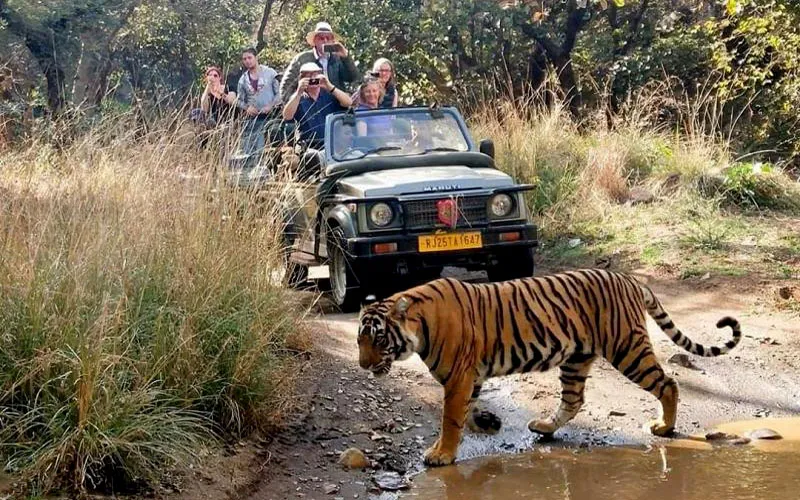
Many tourists come here to explore the wild side of Ranthambore through a Canter Safari in Ranthambore, where the roar of a tiger echoes through the very forests that once served as a royal hunting reserve. The fort stands watch over this dramatic landscape, reminding every traveler of Rajasthan’s glorious heritage and its deep connection to nature.
The Cultural and Spiritual Essence of Ranthambore
Beyond its architectural and historical value, the Ranthambore Fort holds immense cultural and spiritual importance. The fort’s temples—dedicated to deities like Lord Shiva, Lord Ganesha, and Lord Hanuman—are still active places of worship. Pilgrims from neighboring regions often trek through the rugged paths to seek blessings, especially during special festivals and religious occasions.
The fort is also an important symbol of Rajasthan’s heritage, embodying the resilience and faith of its people. Over the centuries, it has been more than just a military bastion; it has served as a cultural hub, inspiring poets, artists, and historians alike.
The Scenic Beauty That Surrounds the Fort
Ranthambore’s landscape enhances the majesty of the fort. The serene lakes of Padam Talao and Malik Talao, the rolling hills, and the dense forests create an enchanting backdrop. From the top of the fort, one can witness the vast expanse of Ranthambore National Park, where sambar deer graze peacefully and peacocks dance under the golden sunlight. The combination of natural beauty and historical legacy makes Ranthambore a paradise for photographers, nature enthusiasts, and history lovers.
The area is best explored through organized travel experiences such as the Best Ranthambore Tour Packages, which offer visitors a curated journey through the fort, the park, and nearby attractions. These tours provide deep insights into the region’s wildlife, architecture, and cultural heritage, ensuring a wholesome and educational travel experience.
Exploring Ranthambore Beyond the Fort
While the fort remains the centerpiece of Ranthambore’s allure, the surrounding region offers a multitude of attractions. From serene lakes to ancient temples and rural villages, every corner of Ranthambore reveals something new. Visitors can explore Raj Bagh ruins, Kachida Valley, and the iconic Jogi Mahal, located near Padam Talao. The local cuisine, folk music, and traditional handicrafts add vibrant hues to the travel experience, reflecting the authentic spirit of Rajasthan.
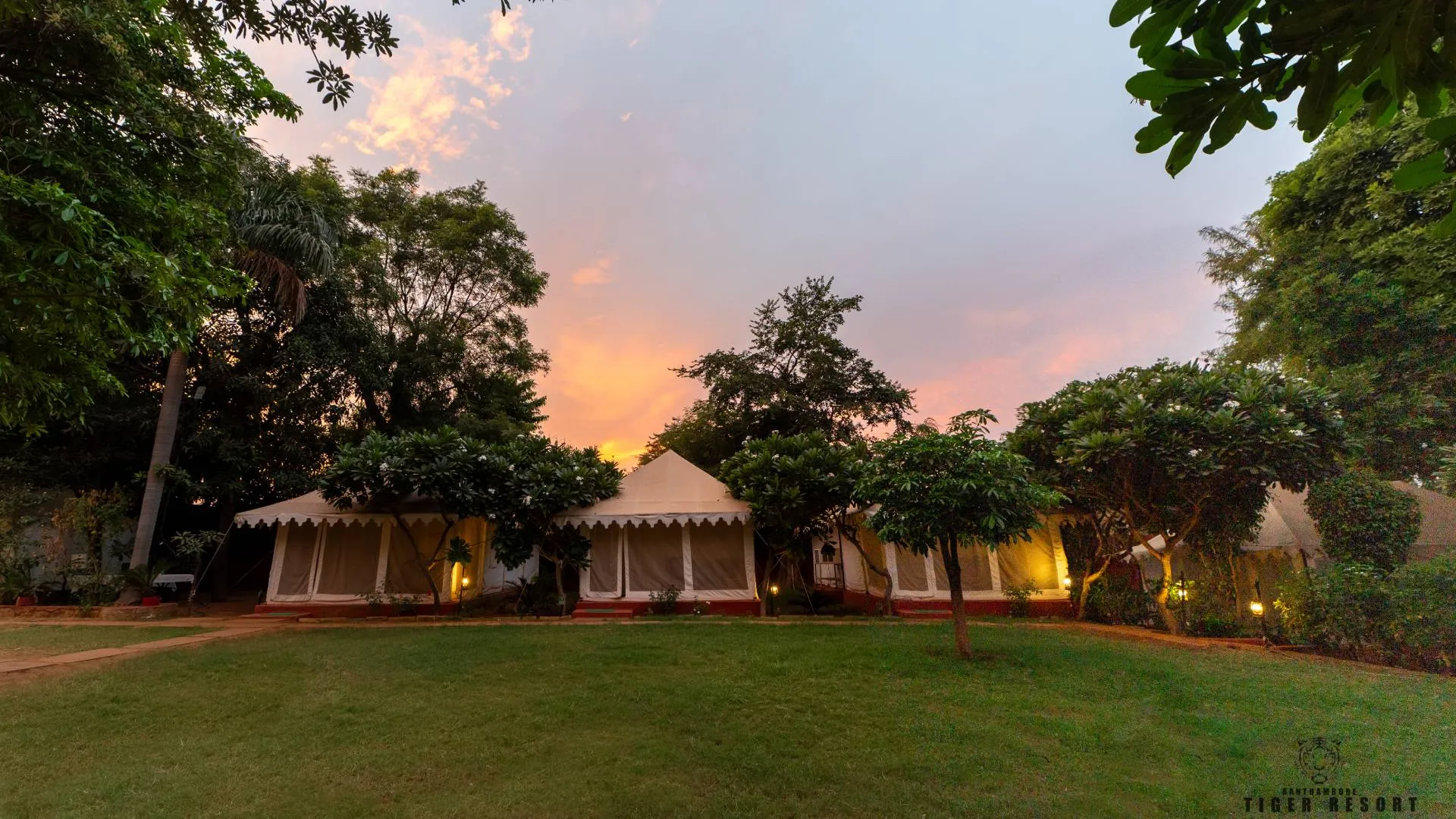
For those seeking comfort and tranquility after a day of exploration, luxury resorts and eco-lodges provide perfect retreats. These accommodations seamlessly blend modern amenities with traditional charm, offering guests a chance to unwind amidst nature while still feeling connected to Ranthambore’s cultural roots.
Conclusion
Ranthambore is more than a destination—it is a living chronicle of India’s royal past, preserved within the walls of its ancient fort. The grandeur of Ranthambore Fort, coupled with the wilderness that surrounds it, makes this region one of the most enchanting places to visit in India. From its historical resonance to its spiritual aura, the fort continues to inspire travelers and historians alike. Every stone, every wall, and every view from its ramparts tells a story of courage, devotion, and timeless beauty—making Ranthambore not just famous, but truly unforgettable.






























Sign in to leave a comment.