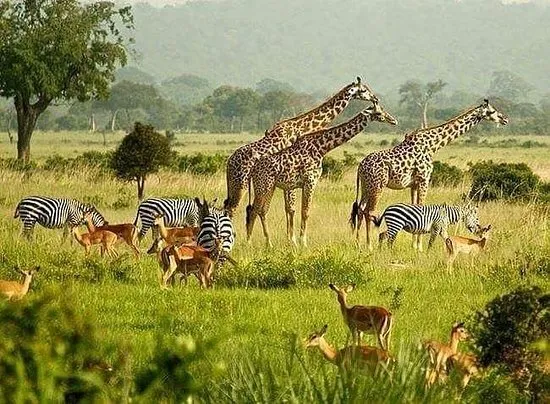

Travel costs for wildebeest migration safaris in 2026 are shifting in noticeable ways. Tour operators, lodges, and transport providers now adjust pricing based on demand patterns, fuel rates, conservation fees, and traveler expectations. These changes affect how travelers plan, book, and experience one of Africa’s most sought-after wildlife events.
This article explains how safari pricing is evolving, what factors drive those changes, and how travelers can make informed decisions without overspending.
Rising Demand Is Driving Price Adjustments
Interest in the wildebeest migration continues to grow across global markets. Travelers from North America, Europe, and Asia are booking safaris earlier than before. This steady demand puts pressure on accommodation capacity, especially in prime locations near river crossings and migration routes.
In 2026, many safari operators report higher booking volumes compared to previous years. As a result, prices for peak migration months typically June through October have increased. Lodges and camps now apply dynamic pricing models. Rates rise as availability decreases, similar to airline ticket pricing.
Travelers who wait until the last minute often face limited options and higher costs. Early bookings now secure better rates and preferred locations.
Accommodation Costs Are Increasing Across Categories
Accommodation remains the largest cost component in any safari package. In 2026, prices have increased across luxury, mid-range, and budget segments.
Luxury Camps and Lodges
Luxury properties now offer upgraded amenities, private guides, and exclusive viewing areas. These features raise operating costs, which reflect in nightly rates. Many high-end camps now charge 10–20% more than they did two years ago.
Private plunge pools, gourmet dining, and personalized service attract high-spending travelers. As demand for premium experiences rises, operators continue to adjust pricing upward.
Mid-Range Options
Mid-range lodges have also increased prices, though at a slower pace. These properties balance comfort and affordability, making them popular among families and small groups. However, improved facilities and rising maintenance costs have pushed rates higher.
Budget Camps
Budget accommodations still exist, but their availability near key migration zones remains limited. In 2026, even basic camps charge more due to higher park fees, fuel costs, and supply chain expenses.
Park Fees and Conservation Charges Are Rising
Governments in East Africa continue to raise park entry fees to support wildlife conservation and infrastructure development. These increases directly impact safari pricing.
For example:
- National park fees in key migration areas have risen incrementally.
- Conservation levies now include community support programs.
- Additional charges apply for specialized activities like guided walks or night drives.
Travelers often overlook these fees when comparing safari packages. However, they can add a significant amount to the total cost, especially for multi-day trips.
Fuel Prices and Transport Costs Affect Overall Pricing
Fuel prices play a major role in safari cost structures. In 2026, fluctuations in global fuel markets have increased transportation expenses.
Domestic Flights
Many travelers use small aircraft to move between safari locations. Airlines have adjusted fares due to fuel costs and operational expenses. Short-haul flights between major parks now cost more than in previous years.
Safari Vehicles
Game drives rely on 4x4 vehicles, which consume significant fuel. Operators now factor these costs into daily rates. Longer game drives and private vehicle bookings come at a premium.
Transfers
Airport transfers, cross-border travel, and private transport services have also seen price increases. These costs may seem minor individually, but they add up over the course of a safari.
Currency Fluctuations Are Influencing Pricing
Currency exchange rates affect both operators and travelers. Many safari services price their packages in US dollars. When local currencies fluctuate, operators adjust rates to maintain profitability.
In 2026:
- Travelers from countries with strong currencies may find better value.
- Those dealing with weaker currencies may see higher effective costs.
Tour operators now review pricing more frequently to keep pace with exchange rate movements. This creates variability in safari costs throughout the year.
Technology and Online Booking Trends Are Changing Pricing Models
Digital platforms now influence how safari packages are priced and sold. Many operators use online systems to track demand and adjust rates in real time.
Dynamic Pricing
Prices change based on:
- Booking window
- Seasonal demand
- Occupancy levels
This approach benefits early planners but penalizes last-minute bookings.
Direct Bookings vs. Agents
Some travelers book directly through safari companies, while others use travel agents. Direct bookings may offer cost savings, but agents often provide bundled deals that include flights, transfers, and accommodations.
In 2026, both channels remain active, with pricing differences depending on package structure.
Seasonal Variations Continue to Shape Costs
The wildebeest migration follows a natural cycle, and pricing reflects this movement.
Peak Season (June to October)
This period includes river crossings, which attract the highest number of visitors. Prices reach their highest levels during these months.
Shoulder Season (May and November)
Travelers can find moderate pricing during these periods. Wildlife viewing remains strong, though river crossings may not occur.
Low Season (December to April)
Prices drop during this time due to fewer visitors. However, the migration still takes place in different regions, offering unique viewing opportunities.
Travelers who remain flexible with travel dates can reduce costs significantly.
Group Travel and Private Safaris Show Different Cost Trends
Travel style affects pricing in 2026.
Group Safaris
Shared safaris reduce individual costs by spreading expenses across multiple travelers. These tours follow fixed itineraries and schedules.
Private Safaris
Private safaris offer flexibility and exclusivity. However, they come at a higher cost due to dedicated vehicles, guides, and customized plans.
Demand for private safaris has increased, especially among families and high-income travelers. This trend has pushed prices higher in this segment.
Sustainability Practices Are Adding to Costs
Sustainability now plays a larger role in safari operations. Lodges and tour companies invest in eco-friendly practices, which influence pricing.
Examples include:
- Solar power installations
- Waste management systems
- Community employment programs
- Wildlife protection initiatives
These efforts improve long-term conservation outcomes but increase operational costs. Travelers who value responsible tourism often accept these higher prices.
Impact of Luxury Travel Trends
African luxury safaris travel continues to grow in 2026, and safari experiences reflect this shift. High-end travelers now expect more than just wildlife viewing.
They look for:
- Exclusive access to migration routes
- Personalized itineraries
- High-quality dining and accommodation
- Private guides and vehicles
Operators meet these expectations by upgrading services, which increases overall pricing. This trend has widened the gap between luxury and budget safari costs.
Booking Behavior Is Changing Pricing Strategies
Travelers now plan trips differently than before. Many book safaris 6–12 months in advance. This early demand allows operators to adjust pricing earlier in the year.
At the same time, a segment of travelers still looks for last-minute deals. However, these deals have become less common due to high demand.
Flexible booking policies, including date changes and cancellations, also affect pricing. Operators factor these risks into their rates.
How Travelers Can Manage Costs in 2026
Despite rising prices, travelers can still find value with the right approach.
Book Early
Early bookings secure lower rates and better accommodation options.
Travel During Shoulder Season
Visiting in May or November reduces costs while still offering strong wildlife experiences.
Compare Packages
Different operators offer varied inclusions. Comparing packages helps identify the best value.
Consider Group Tours
Shared safaris reduce individual expenses without compromising the experience.
Limit Internal Flights
Choosing fewer flights and more road transfers can lower costs.
Stay Flexible
Flexible travel dates and locations open up more affordable options.
The Role of Competition Among Safari Operators
Competition among safari providers remains strong. Operators differentiate themselves through pricing, service quality, and unique experiences.
Some focus on budget travelers, while others target luxury markets. This diversity creates a wide range of pricing options.
In 2026, competition has led to:
- More package customization
- Improved service quality
- Better value-added offerings
However, high demand still allows premium operators to maintain elevated pricing.
Future Outlook for Wildebeest Migration Safari Costs
Travel costs for wildebeest migration safaris will likely continue to rise in the coming years. Several factors support this trend:
- Growing global interest in wildlife tourism
- Limited accommodation capacity in prime locations
- Increasing conservation and park fees
- Rising operational expenses
At the same time, competition and technology will keep pricing transparent. Travelers will have more tools to compare options and plan efficiently.
Final Thoughts
In 2026, wildebeest migration safari costs reflect a mix of demand, operational expenses, and changing traveler expectations. Prices have increased across most categories, but opportunities still exist for those who plan carefully.
Travelers who book early, remain flexible, and compare options can manage expenses without sacrificing quality. As the migration continues to attract global attention, safari operators will keep adjusting pricing to balance demand and sustainability.
A well-planned safari still delivers strong value. The key lies in timing, research, and choosing the right travel approach.




















Sign in to leave a comment.