
Zimbabwe offers some of the most rewarding wildlife experiences in Africa. Its vast wilderness areas host abundant wildlife, dramatic landscapes, and a range of safari styles from classic game drives to walking safaris and river excursions. Zimbabwe safaris build lasting impressions by combining excellent wildlife viewing with well‑managed parks, knowledgeable guides, and authentic cultural interactions.
This article highlights premier safari destinations, practical travel timing, lodging options, travel tips, and answers to common questions for planning an unforgettable trip.
Why Choose Zimbabwe for a Safari
Zimbabwe stands out for its commitment to conservation, relatively low visitor numbers, and high wildlife densities in key parks. The country maintains a balance of wilderness protection and tourism quality that delivers rewarding sightings of big game, rare species, and vibrant birdlife. Local guides possess deep wildlife knowledge and strong tracking skills that elevate safari experiences. In addition, Zimbabwe has a reputation for ethical wildlife tourism and well‑regulated safari operations that contribute positively to local communities and ecosystems.
Top Safari Destinations in Zimbabwe
Zimbabwe offers a range of top safari destinations, each showcasing unique wildlife and landscapes.
Hwange National Park
Hwange National Park ranks among the most iconic safari destinations in Zimbabwe. Covering nearly 15,000 square kilometers, it represents the country’s largest game reserve and hosts a remarkable diversity of animals.
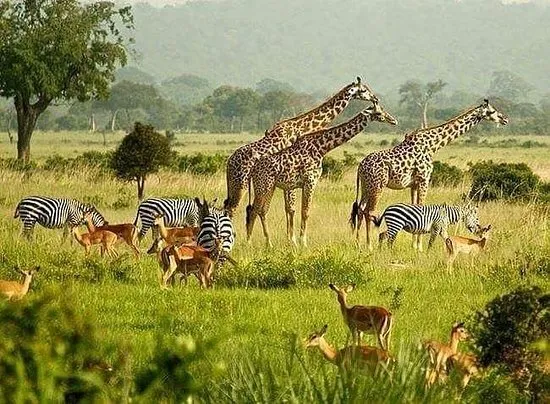
Hwange supports large populations of African elephant and buffalo, with regular sightings of lion, leopard, leopard, wild dog, zebra, giraffe, and numerous antelope species. The park’s waterholes and seasonal pans attract wildlife throughout the year, creating dynamic scenes for photographers and wildlife enthusiasts.
Game drives in Hwange can be morning, afternoon, or full‑day affairs, and many lodges offer guided night drives that reveal nocturnal predators and rare species such as aardvark and pangolin. Birdwatchers benefit from Hwange’s resident and migratory bird species.
Mana Pools National Park
Mana Pools lies along the Zambezi River in northern Zimbabwe. Its floodplain supports strong populations of elephant, hippo, crocodile, lion, and buffalo, while the river environment draws prolific birdlife and relaxed sightings of animals grazing along the water’s edge.
What distinguishes Mana Pools is the opportunity to walk with armed rangers through areas where vehicles are restricted, allowing visitors to observe tracks, animal behavior, and river habitats on foot. Canoe safaris on the Zambezi offer quiet water access to hippos and birdlife, especially at dawn and dusk.
Due to its wilderness character, Mana Pools attracts visitors seeking a more active and immersive safari environment. A limited number of permits are issued daily to manage impact, so planning well ahead improves chances of securing desired dates.
Matobo National Park
Matobo National Park centers on ancient granite formations and wide open plains. The landscape here feels different from classic savanna, with dramatic balancing rocks, wooded valleys, and deep gorges.
Matobo hosts significant white rhino populations under careful protection programs. Guided tracking yields exciting close encounters with rhino and other species. The park also supports leopard, eland, baboon troops, and a rich raptor population that includes several species of vultures and martial eagles.
Matobo’s cultural importance adds another dimension. San rock art sites and historical monuments provide context to centuries of human presence in this ancient landscape.
Victoria Falls and Zambezi National Park
While Victoria Falls does not offer classic safari game drives, the area’s wildlife opportunities complement any safari itinerary. Zambezi National Park borders the town and river channel, hosting elephant, buffalo, giraffe, and antelope, often visible during short drives or guided walks.
Water safaris on the Zambezi provide sightings of hippos, crocodiles, and water birds against the backdrop of wide river channels. Combining a visit to Victoria Falls with a short wildlife excursion allows visitors to balance natural wonders with wildlife viewing.
Gonarezhou National Park
Gonarezhou, meaning “place of the elephant,” lies in southeastern Zimbabwe and forms part of the Great Limpopo Transfrontier Park. Remote and rugged, Gonarezhou appeals to travelers seeking wild and less‑visited territory.
Elephant herds move through its wide plains and riverine forests, joined by lion, cheetah, wild dog, and many antelope species. The park’s scenery includes sandstone cliffs, deep gorges, and the Save River, creating dramatic vistas.
Due to its size and terrain, safari experiences here range from guided drives to walking excursions and photographic safaris. Gonarezhou remains an essential choice for travelers focused on true wilderness experiences.
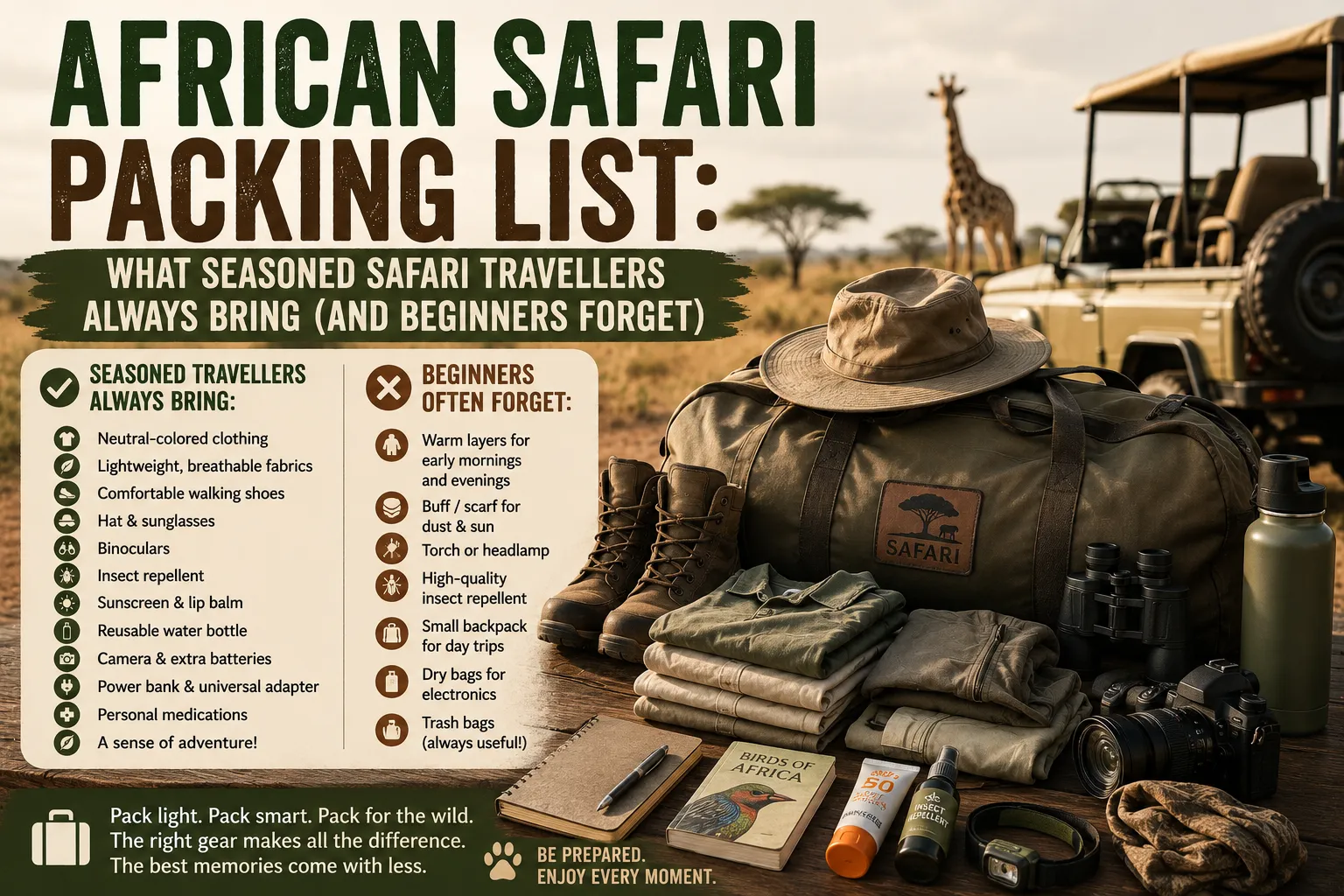
Also Read:- Right Packing List: Improve Your African Safari Experience
Best Time to Visit for Wildlife Viewing
The most influential factor for wildlife viewing in Zimbabwe is water availability. The dry season, typically from May to October, draws animals to limited water sources, concentrating game around rivers, pans, and waterholes that guides and vehicles can access easily.
- May to August: Cool, dry conditions and clear skies define this period. Vegetation thins and animal concentrations increase at water sources. This timing delivers exceptional game viewing and photographic opportunities. Early mornings and evenings can be chilly but add comfort to long game drives.
- September to October: Days grow warmer as the dry season deepens. Wildlife remains concentrated near water, and predator activity often peaks as prey gathers. This window suits visitors seeking dramatic sightings of lions, wild dogs, and dynamic predator‑prey interactions.
The wet season, from November to April, brings warmer weather and heavy rainfall. Grasses grow tall and permanent water becomes widespread, dispersing wildlife across the landscape. Fewer animals gather at concentrated spots, making wildlife more challenging to locate. However, the wet months showcase lush scenery, migratory bird arrivals, and new life among grazing herds. Lodges also offer lower rates and fewer visitors during this period.
Planning Your Zimbabwe Safari
Plan your Zimbabwe safari carefully to match parks, lodging, and timing for optimal wildlife experiences.
Choose the Right Duration
Most visitors plan safari trips of 7 to 12 days to include multiple parks and experiences without rushing. A typical itinerary might combine Hwange’s game concentrations with Mana Pools’ riverine activities, followed by a visit to Victoria Falls.
Longer trips allow deeper engagement, such as walking safaris in Mana Pools, photographic safaris with specialist guides, or overnight stays in remote camps that offer exclusive viewing opportunities.
Select Appropriate Lodging
Zimbabwe’s safari accommodations range from luxury lodges to mobile tented camps in wilderness areas:
- Luxury Lodges: Offer refined comfort, gourmet meals, and attentive service ideal for travelers seeking high standards of hospitality in prime locations near wildlife concentrations.
- Tented Camps: Provide immersive experiences with comfortable canvas tents, open views of the bush, and guided activities such as bush walks and night drives.
- Mobile Camps: Move with wildlife seasons and offer small‑group experiences centered on tracking and photography.
Booking well in advance ensures access to preferred lodges, especially in high season when limited camps fill quickly.
Travel Access and Logistics
Major international flights arrive at Robert Gabriel Mugabe International Airport in Harare or Kenneth Kaunda International Airport in Lusaka (Zambia) with onward transfers into northern Zimbabwe parks like Mana Pools. Many lodges offer scheduled charters to smaller airstrips near parks such as Hwange Main Camp, Mana Pools, and Matobo.
Travelers should arrange internal transfers and park permits ahead of time. Safari operators often manage these details to provide seamless transfers and reduce logistical burdens on visitors.
Health and Safety
Visitors entering Zimbabwe must ensure they meet vaccination and health requirements. Routine immunizations and malaria prophylaxis remain important due to malaria risk in many safari areas. Travelers should consult medical professionals for personalized advice well before departure.
General safety protocols include following guide instructions, maintaining distance from wildlife, and securing valuables. Zimbabwean safari operations emphasize guest safety and provide professional guidance on all excursions.
What Wildlife You Can Expect to See
Zimbabwe’s wildlife includes classic African species as well as rare and regionally significant populations:
- Big Five: Lion, elephant, buffalo, leopard, and rhinoceros
- Wild Dog: Best sightings occur in Hwange and Gonarezhou
- Hippos and Crocodiles: Especially along the Zambezi River
- Antelope Species: Impala, kudu, sable, roan, and more
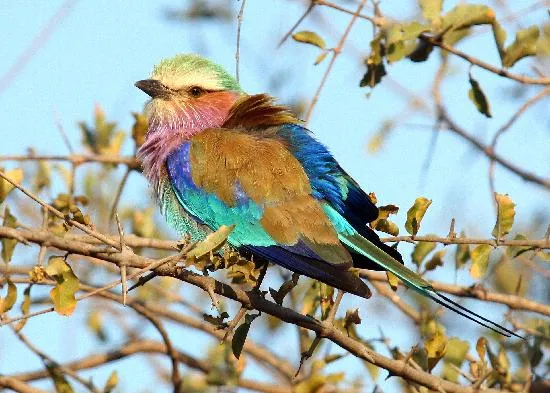
- Birdlife: Large raptors, waterfowl, and migrant species in the wet season
Guides track movement patterns, water sources, and seasonal shifts to maximize viewing chances. Wildlife viewing can occur on guided drives, walks, or boat safaris, depending on park regulations.
Practical Tips for Travelers
Follow practical tips to stay comfortable, safe, and well-prepared on your Zimbabwe safari.
Pack Smart
- Neutral‑colored clothing for comfort and camouflage during observation
- Wide‑brimmed hat, sunglasses, and sunscreen for sun protection
- Binoculars and quality camera gear for wildlife viewing and photography
- Rain gear during wet months
Respect Wildlife and Environment
Maintain respectful distances, follow all park regulations, and let guides manage close encounters. Sustainable travel safeguards habitats for future visitors and supports local conservation efforts.
Plan for Connectivity and Power
Electricity access varies between lodges and remote camps. Many offer charging stations powered by solar or generators. Travelers should carry universal adapters and power banks.
Zimbabwe Safari Cost Considerations
Costs vary by season, park, accommodation style, and activities included. High season generally carries higher rates due to peak wildlife viewing conditions. Inclusions typically cover meals, guided activities, park fees, and transfers, while international flights and visas may cost extra.
Working with reputable travel planners or safari operators helps travelers build cost‑effective itineraries and secure bundled rates for multiple services.





















Sign in to leave a comment.