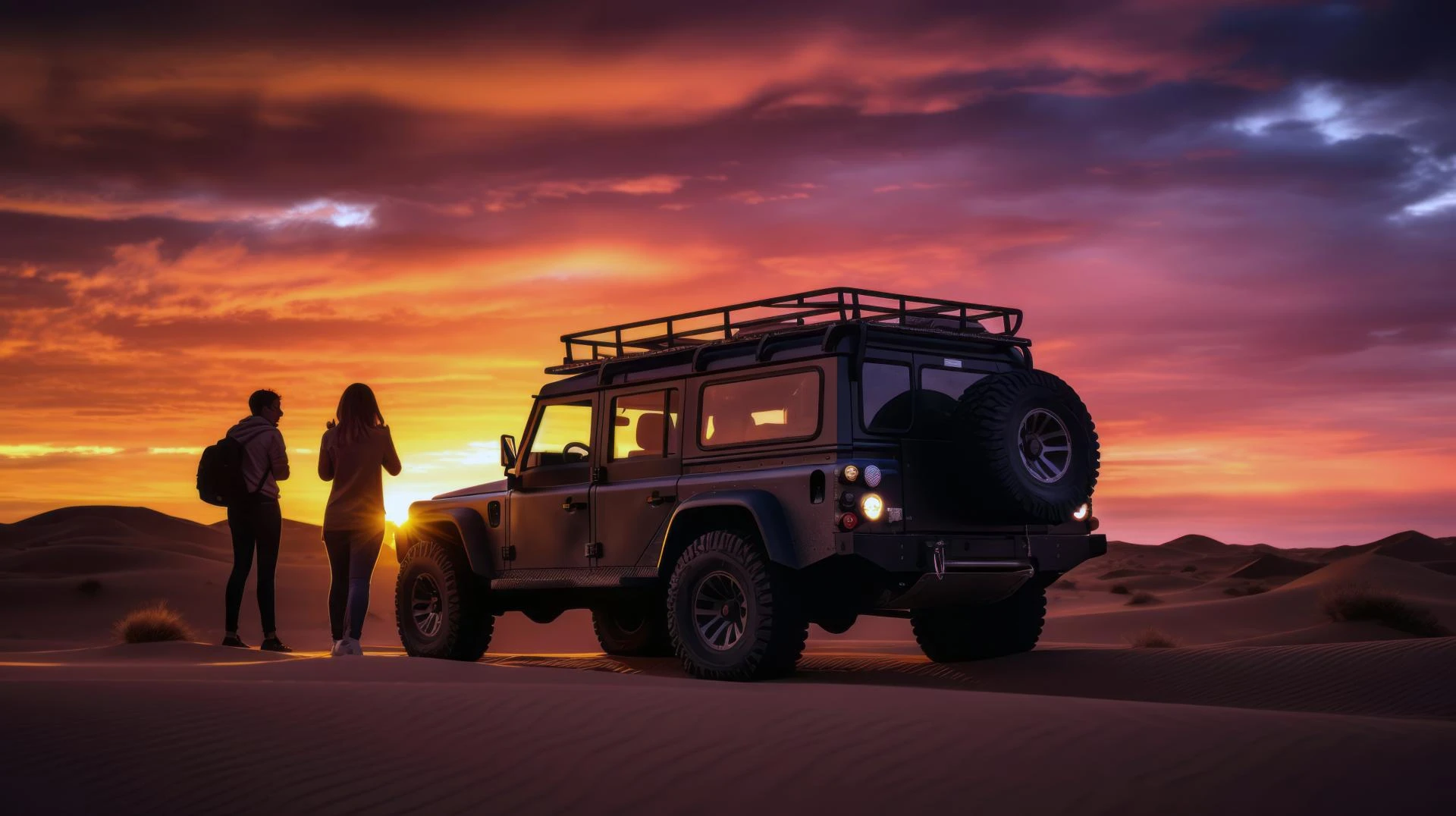

Uganda stands among Africa’s most rewarding safari destinations. The country offers a rare combination of mountain gorilla encounters, classic wildlife viewing, and diverse landscapes that range from dense rainforests to open savannah. Travelers who choose Uganda Safaris gain access to experiences that rival those found across East Africa, often with fewer crowds and a more intimate connection to nature.
Why Choose Uganda for a Safari
Uganda’s position along the equator creates a rich ecological system that supports a wide range of wildlife. The country protects its biodiversity through several national parks and reserves, each offering distinct safari experiences. From the misty forests of Bwindi to the wide plains of Queen Elizabeth National Park, Uganda presents a strong case for travelers seeking variety.
Tour operators design itineraries that combine primate tracking, game drives, and cultural encounters. This balance allows visitors to experience both wildlife and the traditions of local communities. Uganda also maintains stable tourism infrastructure, making travel manageable for international visitors.
Gorilla Trekking: A Defining Experience
Gorilla trekking ranks as the most sought-after activity in Uganda. The country hosts more than half of the world’s remaining mountain gorillas, primarily in Bwindi Impenetrable National Park and Mgahinga Gorilla National Park.
Trekkers begin their journey early in the morning with a briefing from park rangers. Small groups then move into the forest, guided by trackers who monitor gorilla families daily. The trek may last anywhere from one to several hours, depending on the gorillas’ location.
Once visitors reach a gorilla group, they spend up to one hour observing their behavior. This time provides an unmatched opportunity to watch social interactions, feeding habits, and family dynamics at close range. Rangers enforce strict rules to protect both visitors and gorillas, including maintaining a safe distance and limiting group size.
Permits for gorilla trekking require advance booking due to high demand. Despite the cost, many travelers consider the experience one of the most valuable wildlife encounters available anywhere in the world.
Big Five Wildlife in Uganda
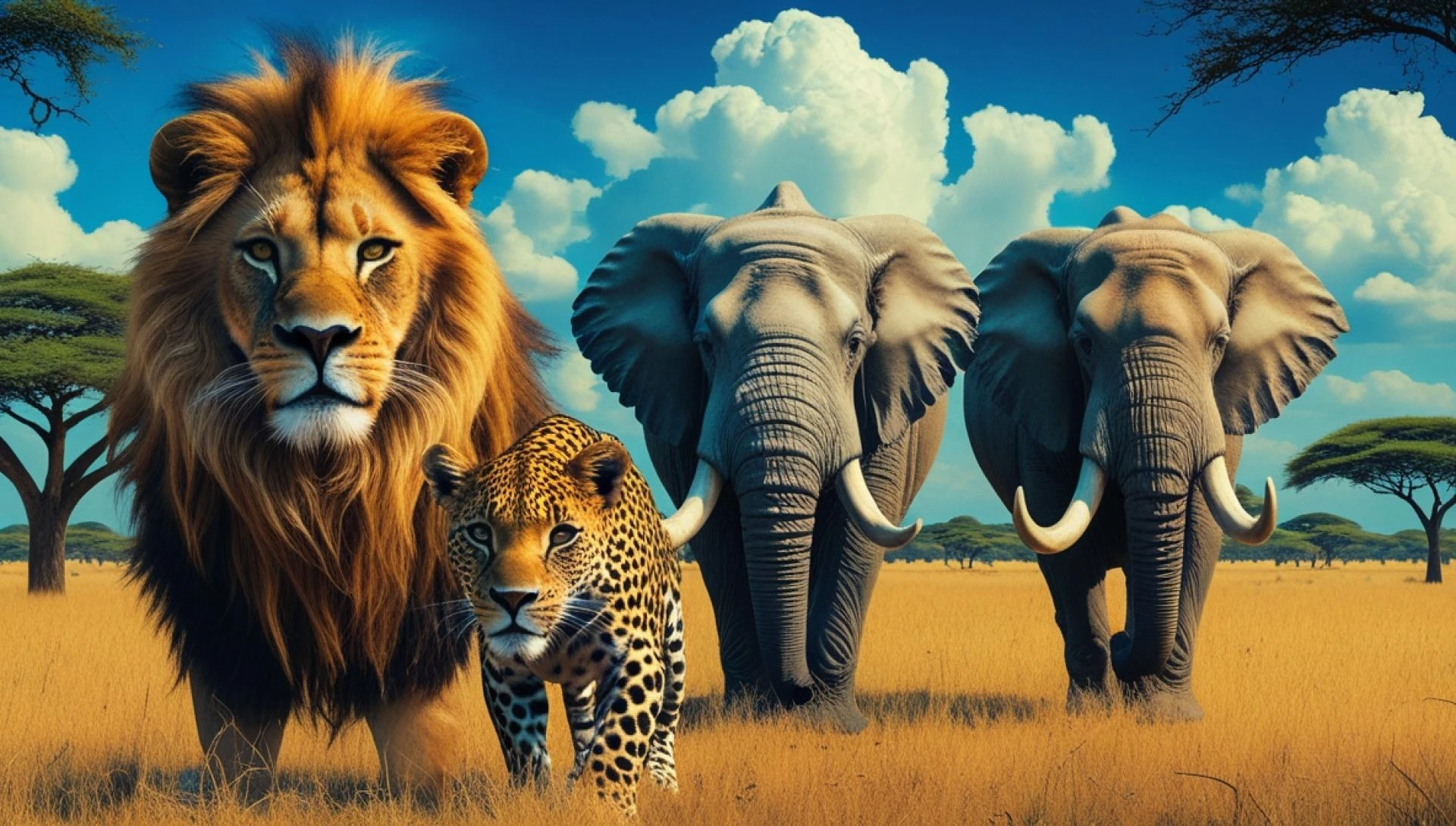
Uganda offers opportunities to see the Big Five lion, leopard, elephant, buffalo, and rhinoceros though sightings vary by location.
Queen Elizabeth National Park serves as a prime destination for game drives. Visitors often spot lions, including the famous tree-climbing lions of the Ishasha sector. Elephants and buffalo appear frequently across the park’s savannah areas.
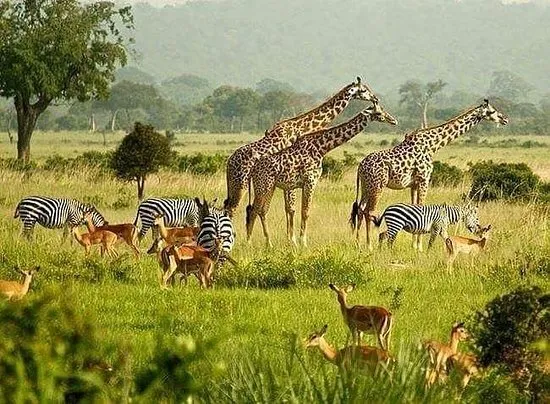
Murchison Falls National Park also supports strong populations of wildlife. Game drives along the Nile Delta reveal elephants, giraffes, lions, and numerous antelope species. Boat safaris on the Nile add another dimension, bringing visitors close to hippos and crocodiles.
Ziwa Rhino Sanctuary plays a key role in Uganda’s conservation efforts. It provides the only location in the country where visitors can track rhinoceros on foot. Rangers guide small groups to ensure safety and provide insight into ongoing conservation programs.
National Parks Worth Visiting
Uganda’s national parks each deliver a distinct safari experience:
Bwindi Impenetrable National Park
This UNESCO World Heritage Site protects dense rainforest and endangered mountain gorillas. It also supports birdlife and other primates.
Queen Elizabeth National Park
Known for its biodiversity, this park offers game drives, boat cruises on the Kazinga Channel, and scenic landscapes.
Murchison Falls National Park
Uganda’s largest park features the powerful Murchison Falls, where the Nile forces through a narrow gorge. Wildlife viewing remains excellent year-round.
Kibale National Park
This park attracts visitors interested in chimpanzee tracking. It holds one of the highest concentrations of primates in Africa.
Lake Mburo National Park
Located closer to the capital, this park suits shorter safaris. Visitors often see zebras, impalas, and elands.
Adventure Activities Beyond Game Drives
Uganda supports a wide range of outdoor activities beyond traditional safaris. Travelers can take guided nature walks, birdwatching tours, and cultural visits to nearby communities. White-water rafting along the Nile near Jinja offers a more active experience for those seeking adrenaline.
Hiking opportunities exist in several regions, including the Rwenzori Mountains. These peaks attract trekkers interested in multi-day climbs through alpine landscapes. Uganda’s varied terrain allows visitors to combine wildlife viewing with physical activity.
Cultural Experiences
Local communities contribute significantly to the safari experience. Visitors can attend traditional performances, visit craft markets, and learn about regional customs. Cultural tours often include interactions with the Batwa people, who have historical ties to forest regions.
These experiences provide context for conservation efforts and highlight the relationship between local populations and wildlife. Responsible tourism practices ensure that communities benefit directly from visitor activity.
When to Visit Africa for Uganda Safaris
Travel timing plays a key role in planning a successful safari. Many travelers ask When to Visit Africa to achieve the best wildlife viewing conditions while managing costs and weather expectations.
Uganda experiences a tropical climate with two primary dry seasons and two wet seasons. The dry seasons typically run from June to August and December to February. These months provide favorable conditions for wildlife viewing, as animals gather around water sources and vegetation remains less dense.
During dry periods, trekking routes in forests become more accessible. Gorilla trekking and chimpanzee tracking benefit from clearer trails, reducing the physical difficulty of the experience. Photographers also gain better visibility due to improved lighting and less rainfall.
The wet seasons occur from March to May and September to November. While rainfall increases during these months, Uganda still offers strong safari opportunities. Landscapes appear greener, and birdwatching improves due to migratory species.
Travelers considering When to Visit Africa should also evaluate pricing. Lodges and tour operators often reduce rates during the rainy season, making this period attractive for budget-conscious visitors. Fewer tourists also create a quieter environment in national parks.
Wildlife remains present throughout the year, although sightings may require more patience during wetter months. Game drives continue to operate, and experienced guides adjust routes based on conditions.
Accommodation Options
Uganda offers a wide range of accommodation, from luxury lodges to mid-range camps and budget guesthouses. Many lodges sit near park boundaries, providing convenient access to safari activities.
Luxury lodges deliver high levels of comfort, including private cottages, gourmet dining, and guided excursions. Mid-range options balance comfort with affordability, while budget accommodations cater to travelers seeking basic facilities.
Most safari packages include meals, transportation, and guided activities. Travelers should confirm what each package covers to avoid unexpected costs.
Transportation and Accessibility
International travelers typically arrive via Entebbe International Airport. From there, tour operators arrange domestic flights or road transfers to various national parks.
Road travel allows visitors to view rural landscapes and interact with local communities along the way. However, distances between parks can require several hours of driving. Domestic flights reduce travel time and provide aerial views of Uganda’s terrain.
Conservation and Responsible Tourism
Uganda prioritizes conservation through strict regulations and community involvement. Gorilla trekking permits fund park management and wildlife protection efforts. Visitors must follow guidelines that limit environmental impact and protect animal welfare.
Tour operators often support local initiatives, including education and healthcare programs. Responsible tourism ensures that wildlife conservation and community development continue to benefit from visitor activity.
Practical Travel Tips
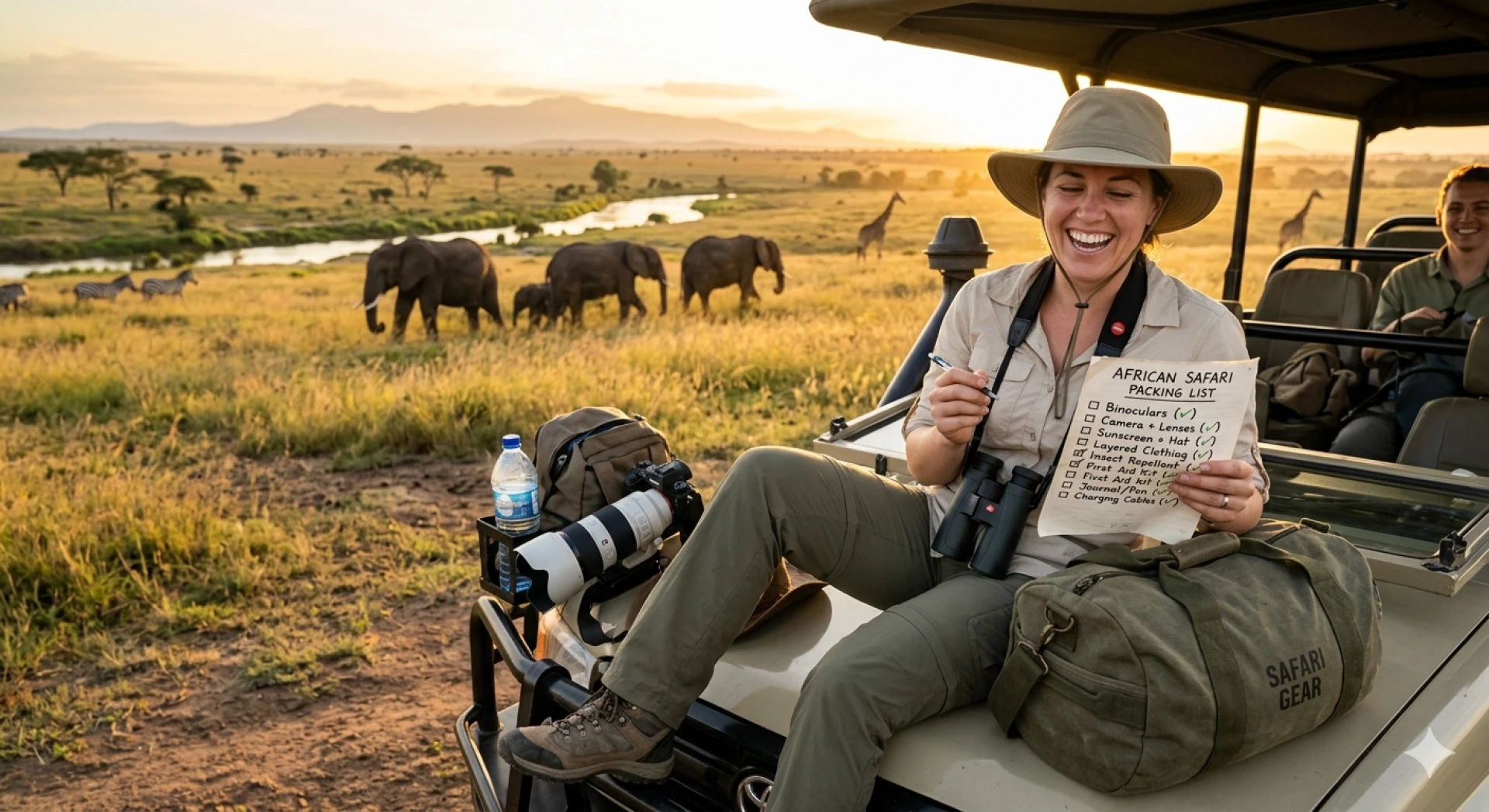
Travelers should prepare adequately for a Uganda safari. Packing essentials include lightweight clothing, waterproof gear, and sturdy hiking boots for trekking. Insect repellent and sunscreen remain important due to the tropical climate.
Health precautions may include vaccinations and malaria prevention. Visitors should consult medical professionals before travel.
Advance booking remains critical, especially for gorilla trekking permits. Tour operators can assist with planning and logistics to ensure a smooth experience.
Final Thoughts
Uganda delivers a well-rounded safari experience that combines primate encounters, classic wildlife viewing, and cultural interaction. Gorilla trekking stands as a defining highlight, while national parks provide diverse opportunities for game drives and outdoor activities.
Travelers who plan carefully and consider When to Visit Africa can tailor their trip to match their priorities, whether they seek optimal wildlife viewing, lower costs, or quieter surroundings. Uganda continues to build its reputation as a top safari destination, offering experiences that remain both authentic and memorable.
























Sign in to leave a comment.