Starting Your Budgeting Journey: A Filipino Perspective
Imagine hopping on a jeepney in Quezon City, the familiar hum of the engine blending with the chatter of vendors and passengers. You pull out your phone to check your finances, and suddenly, the chaos outside mirrors the confusion many of us feel about managing money. Budgeting can seem overwhelming at first, especially for beginners. But just like navigating the busy streets, learning to budget effectively can turn financial stress into control and peace of mind.
Budgeting is more than just tracking expenses; it’s about understanding where your money goes, setting priorities, and aligning your spending with your goals. A recent survey by the Philippine Statistics Authority revealed that nearly 60% of Filipino households struggle with budgeting, often leading to debt or missed savings opportunities. This makes mastering budgeting essential, especially as inflation and living costs continue to rise in 2026.
As a personal finance blogger from Quezon City, I’ve seen firsthand how simple, practical budgeting tips can transform lives—whether you’re juggling a full-time job, managing a small sari-sari store, or building a side hustle. This guide walks you through actionable, expert-backed steps to create a budget that sticks, empowering you to take charge of your money with confidence.
How Budgeting Became a Vital Skill
Historically, budgeting was seen as a skill for accountants or business owners rather than everyday Filipinos. But the economic landscape has shifted dramatically over the past decade. The rise of the gig economy, digital payment platforms like GCash and PayMaya, and the surge in side hustles—from online selling to content creation—have changed how Filipinos earn and spend money.
According to the Bangko Sentral ng Pilipinas, almost 70% of Filipino adults engage in some form of side hustle in 2026, a sharp increase from 45% in 2016. This diversification of income streams requires more disciplined money management. Without a clear budget, income fluctuations can lead to financial instability.
Moreover, inflation in the Philippines has hovered around 4-5% in recent years, impacting everyday expenses like food, transportation, and utilities. A robust budget helps households anticipate these changes and adjust their spending accordingly. Budgeting has evolved from a mere money management tool to a survival skill in today’s economic environment.
For many, the challenge lies in knowing where to start. Budgeting myths persist—like the belief that it requires complex spreadsheets or sacrificing all pleasures. The truth is, effective budgeting is about simplicity and consistency. That’s why this guide prioritizes practical, relatable advice suited to the Filipino context.
Core Budgeting Strategies Every Beginner Should Know
Before diving into numbers, it’s vital to understand the core principles that form the backbone of any successful budget. These principles were echoed by financial experts in a recent Mint article and align closely with insights from local finance advocates.
- Track Your Income and Expenses
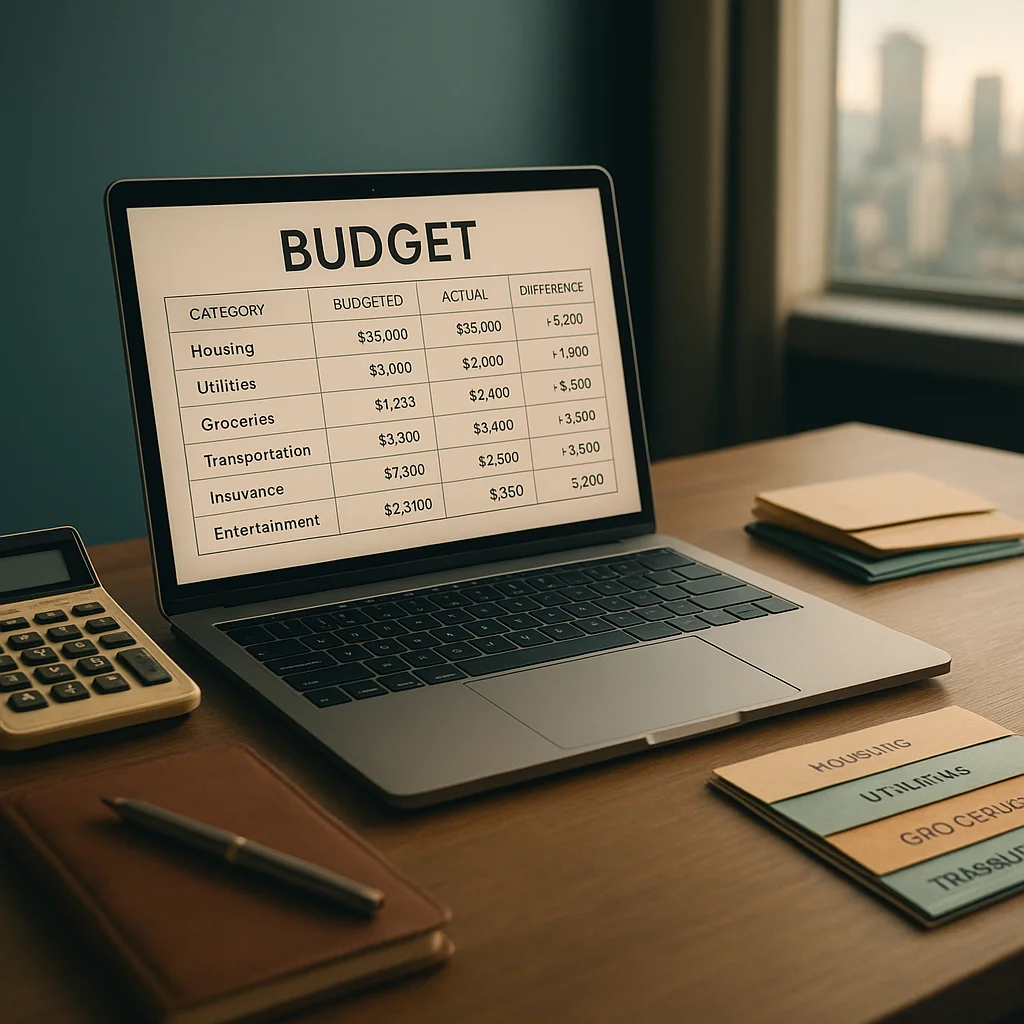
Begin by recording all sources of income, including salary, freelance work, and side hustles. Then list monthly expenses, categorizing them into fixed (rent, utilities) and variable (food, transport) costs. Use simple tools like notebooks, mobile apps, or spreadsheets. - Set Realistic Spending Limits
Based on your tracked data, allocate spending limits for each category. This helps prevent overspending and highlights areas to cut back. - Prioritize Savings
Pay yourself first. Allocate a portion of income (ideally 20%) to savings or emergency funds before budgeting for other expenses. - Review and Adjust Regularly
Budgets are not static. Review your budget monthly to reflect changes in income or expenses and adjust accordingly. - Use the 50/30/20 Rule as a Starting Point
Many beginners find the 50/30/20 rule helpful: 50% for needs, 30% for wants, and 20% for savings and debt repayment.
“Budgeting is not about restricting your freedom; it’s about creating the freedom to live the life you want.” – Financial expert quoted in MSN’s Beginner’s Guide to Budgeting
These strategies might sound basic, but they form a strong foundation. Filipino households that implement even these simple steps report better control over their finances and reduced financial stress, according to a 2025 study by the Philippine Institute for Development Studies.
Key Budgeting Tools and Technologies in 2026
Technology has revolutionized budgeting, making it more accessible than ever. In the Philippines, mobile apps have become indispensable for managing finances on the go. The 2026 Digital Finance Report by Statista highlights that over 75% of Filipino adults use at least one finance app monthly.
Popular apps like WalletGuard, MoneyMatePH, and the integrated budgeting feature in GCash allow users to track spending, set goals, and receive alerts. These platforms sync with bank accounts and e-wallets, providing real-time insights.
For beginners, here are some top tools and their benefits:
- WalletGuard: Simple interface, automatic categorization of expenses, and reminders for bill payments.
- MoneyMatePH: Tailored for Filipino users with features like peso budgeting, income tracking from multiple sources, and goal-setting for side hustles.
- GCash Budget Planner: Integrated directly into a widely used e-wallet, it helps users monitor cash flow without toggling apps.
These tools complement traditional methods such as envelope budgeting, which remains popular among Filipinos who prefer cash management. Whether using digital or manual methods, the key is consistency. Setting aside 10 minutes daily or weekly to update your budget can lead to lasting habits.
“Adopting budgeting technology is a step towards financial literacy and empowerment for many Filipinos, especially those balancing multiple income streams.” – Local fintech analyst, 2026
Case Studies: Filipino Families and Entrepreneurs Who Transformed Finances
Stories of success can inspire and provide practical lessons. Take the Mendoza family from Cebu, for example. Facing increasing expenses and fluctuating income from their small bakery, they started using the 50/30/20 rule in early 2025. Their monthly budget planning led to a 25% increase in savings and allowed them to invest in new baking equipment, boosting sales by 30%.
Then there’s Carla, a young content creator from Davao juggling freelance writing and an online accessories store. She uses MoneyMatePH to track irregular income and allocates funds for taxes, reinvestment, and personal expenses. Carla credits budgeting for reducing anxiety about cash flow and enabling her to save for a vacation with family.
These examples highlight how tailored budgeting strategies work at different scales. Whether supporting a household or a micro business, understanding income and expenses is crucial. For more detailed budgeting tips tailored to beginners, the WriteUpCafe article Essential Budgeting Tips for Beginners in 2026 offers a step-by-step approach.
Looking Ahead: Budgeting Trends and Tips for 2026 and Beyond
As we move further into 2026, budgeting continues to evolve in response to economic shifts and technological advances. Experts predict these trends will shape how Filipinos manage their money:
- Integration of AI in Budgeting Apps: Personalized budgeting advice based on spending habits is becoming mainstream.
- Increased Focus on Financial Wellness: Employers and communities offer programs encouraging budgeting as part of holistic well-being.
- Growth of Community-Based Savings: Cooperative saving groups and digital 'paluwagan' systems are gaining traction, blending tradition with tech.
For beginners, the takeaway is clear: budgeting is a skill that adapts. Starting simple, leveraging available tools, and staying committed can build a solid financial foundation.
As I often tell readers, budgeting doesn’t mean giving up your favorite street food or fiesta celebrations. It means making mindful choices to enjoy those moments without worry. For more expert insights on maximizing your savings, check out Top Budgeting Tips for 2026: Maximize Your Savings Now.
Embrace budgeting as a journey—one that empowers you to pursue your dreams, build security, and live fully. It’s not just about numbers; it’s about your life story, your jeepney rides, your sari-sari store, your future.
























Sign in to leave a comment.