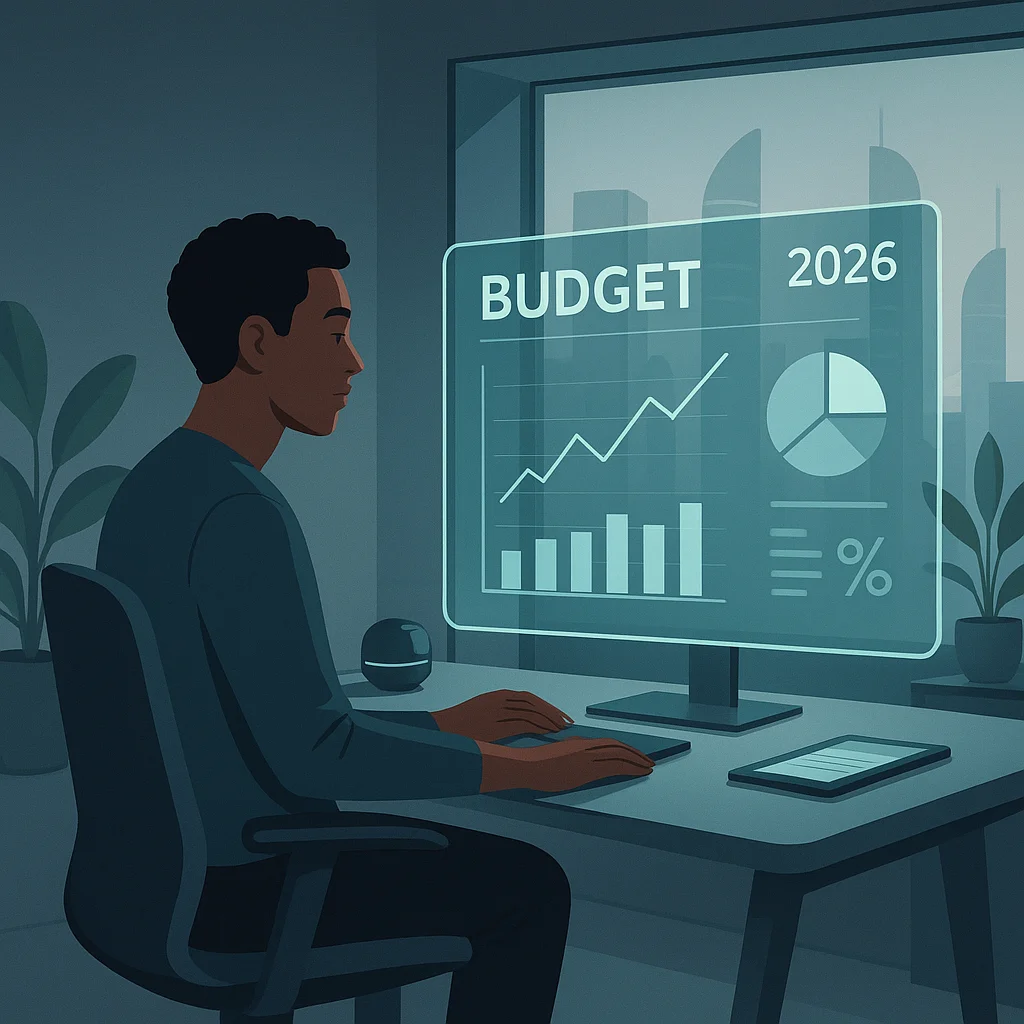

Starting Strong: The Reality of Budgeting in 2026
It’s a bustling morning in Quezon City. The city buzzes with jeepneys weaving through streets, vendors calling out their latest deals, and young entrepreneurs launching side hustles from their garage. Amid this vibrant pulse, one thing remains constant: the need for smart budgeting. In 2026, the personal finance landscape is both familiar and transformed by new challenges and opportunities. Inflation rates have stabilized somewhat compared to the volatile years prior, but the cost of living continues to rise, especially in urban areas where many Filipinos strive to build their dreams.
Recent data from the Philippine Statistics Authority shows that the average monthly household expenditure increased by 5.3% in early 2026 compared to 2025, reflecting inflation pressures and evolving consumption habits. For many, this means the difference between scraping by and achieving financial stability hinges on effective budgeting. As a personal finance blogger and someone deeply connected with local entrepreneurship, I see budgeting as much more than just numbers on a page—it’s a mindset, a tool to empower your goals and side hustles.
To kick off this comprehensive update, consider this: according to MSN, single-income households in 2026 face unique budgeting challenges but also opportunities to optimize spend by leveraging technology and community resources. Whether you're managing a family budget or juggling multiple side hustles, fresh strategies are essential. Let’s explore how budgeting has evolved, and how you can master it this year.
"Budgeting is no longer just about cutting costs; it’s about aligning your money with your values and goals in a rapidly changing economic environment." – Financial expert Maria Santos
From Past to Present: How Budgeting Practices Have Shifted
Looking back just five years, budgeting was often a rigid exercise—track every peso, stick to fixed categories, and hope for the best. The pandemic years accelerated digital adoption and reshaped spending priorities, while inflation and economic uncertainties demanded more flexible, adaptive approaches.
Filipinos traditionally favored cash-based budgeting, but the rise of fintech apps, digital wallets, and online banking has transformed everyday money management. The Bangko Sentral ng Pilipinas reports that as of 2026, over 65% of Filipinos actively use digital payment platforms, which has made real-time tracking and automated budgeting tools widely accessible.
Yet, despite technological advances, the core principles of budgeting remain relevant. You still need to understand income, fixed and variable expenses, savings, and debt management. However, the context has changed:
- Income diversification: Side hustles and gig economy jobs are now mainstream, requiring multi-source income tracking.
- Inflation awareness: Budgeting must account for fluctuating prices, especially for essentials like food and transportation.
- Financial resilience: Emergency funds and flexible budgets have gained priority after recent economic shocks.
For Filipinos balancing family needs and entrepreneurial dreams, budgeting is no longer a static monthly plan but a dynamic process that must adapt to daily realities. This evolution is reflected in growing interest in budgeting guides such as Essential Budgeting Tips for 2026: Master Your Finances, which emphasize agility and goal alignment.
"The budgeting mindset has shifted from restriction to empowerment—it's about making your money work for you, not the other way around." – Rachel Torres, personal finance blogger
2026 Core Budgeting Strategies: Data-Driven and Practical
In 2026, effective budgeting combines traditional discipline with data-driven insights and technology. Let’s break down the most impactful strategies grounded in recent research and consumer trends.
First, understanding your actual spending patterns is critical. According to Naija Gist, many people underestimate their expenses by up to 20% due to untracked purchases or irregular spending. To combat this, consider these steps:
- Use digital tools: Apps like GCash and PayMaya now integrate budgeting functions that automatically categorize expenses, helping you see exactly where your money goes.
- Set realistic budget categories: Break down expenses into essentials, discretionary, debt repayments, and savings. Adjust categories monthly based on lifestyle changes.
- Incorporate side hustle income: Track earnings from freelancing, online selling, or local services separately but include them in your total income to maintain clarity.
Second, the popular 50/30/20 budget rule has faced scrutiny in 2026. A notable article from The Independent argues the rule is outdated for many, especially those in volatile economies or with irregular incomes. Instead, a flexible model such as 70% essentials, 20% savings/investments, and 10% discretionary spending is gaining traction.
Third, emergency funds have become a non-negotiable pillar. Philippine financial advisors recommend building at least 6 months of essential living expenses in a liquid savings account. Given inflation concerns, regularly adjusting this figure is wise.
Finally, budgeting for growth—allocating money toward skills development, entrepreneurial ventures, or side hustle expansion—is vital. Treat this as an investment category to fuel financial independence.
What’s New in 2026? Current Budgeting Trends and Tools
Technology continues to shape how Filipinos budget in 2026, with AI-powered apps and community-driven platforms at the forefront.
AI-driven budgeting assistants now analyze spending habits and suggest personalized budget adjustments. For example, platforms like MoneyMate PH use machine learning to recommend optimal saving targets and alert users about potential overspending.
Another breakthrough is community budgeting groups that leverage social accountability. These are informal or app-based groups where members share goals, track progress, and offer mutual encouragement. This mirrors the bayanihan spirit seen in local festivals and barangay initiatives.
The government and financial institutions have also stepped up educational campaigns promoting budgeting literacy among youth and low-income families. These efforts focus on teaching fundamental concepts and the importance of emergency savings, especially as new tax reforms and social security contributions take effect.
Additionally, side hustles have become a budgeting category themselves. According to a 2026 survey by the Philippine Institute for Development Studies, over 42% of Filipino households now supplement income through at least one side hustle. This trend affects how budgeting is approached, emphasizing income variability and reinvestment strategies.
Real-World Success: Case Studies That Inspire
To bring these concepts closer to home, let’s look at two Filipino families who have embraced modern budgeting in 2026.
Case 1: The Mendoza Family lives in Quezon City with two children. Mr. Mendoza works full-time in logistics, while Mrs. Mendoza runs a small online shop selling handmade crafts. They use a shared budgeting app that tracks both salaries and side hustle income. By allocating 25% of their combined income to savings and reinvesting 15% into their side business, they have steadily built a college fund for their kids and increased monthly cash flow.
Case 2: Ana, a solo freelancer from Cebu, juggles income from content writing and tutoring. She uses AI budgeting tools that predict lean months and recommend expense adjustments. Her emergency fund covers seven months of expenses, giving her peace of mind despite income fluctuations. Ana also participates in a local budgeting community, which keeps her motivated and accountable.
- Both examples demonstrate the power of combining technology, flexibility, and community support.
- They highlight the importance of viewing budgeting as an evolving process aligned with personal and entrepreneurial goals.
Looking Ahead: What to Watch and Embrace in Budgeting
As we move further into 2026 and beyond, several trends and considerations will shape budgeting advice:
- Greater integration of AI and behavioral finance: Expect budgeting tools to become even more intuitive, nudging users toward healthier financial habits.
- Focus on sustainable spending: Consumers are increasingly conscious of ethical and environmental impacts, influencing budget allocations.
- Hybrid income models: With side hustles firmly entrenched, budgeting will require more granular income tracking and flexible expense planning.
- Financial education: Grassroots campaigns and schools will continue to play a key role in fostering early budgeting skills.
For Filipinos, budgeting will remain a vital skill to navigate urban living costs, pursue entrepreneurial dreams, and build resilience. I recommend revisiting your budget quarterly, embracing new tools, and learning from community experiences. For a detailed beginner’s guide, check out our Essential Budgeting Tips for Beginners in 2026 and for advanced strategies, explore Expert Budgeting Tips for 2026: Master Your Finances.





















Sign in to leave a comment.