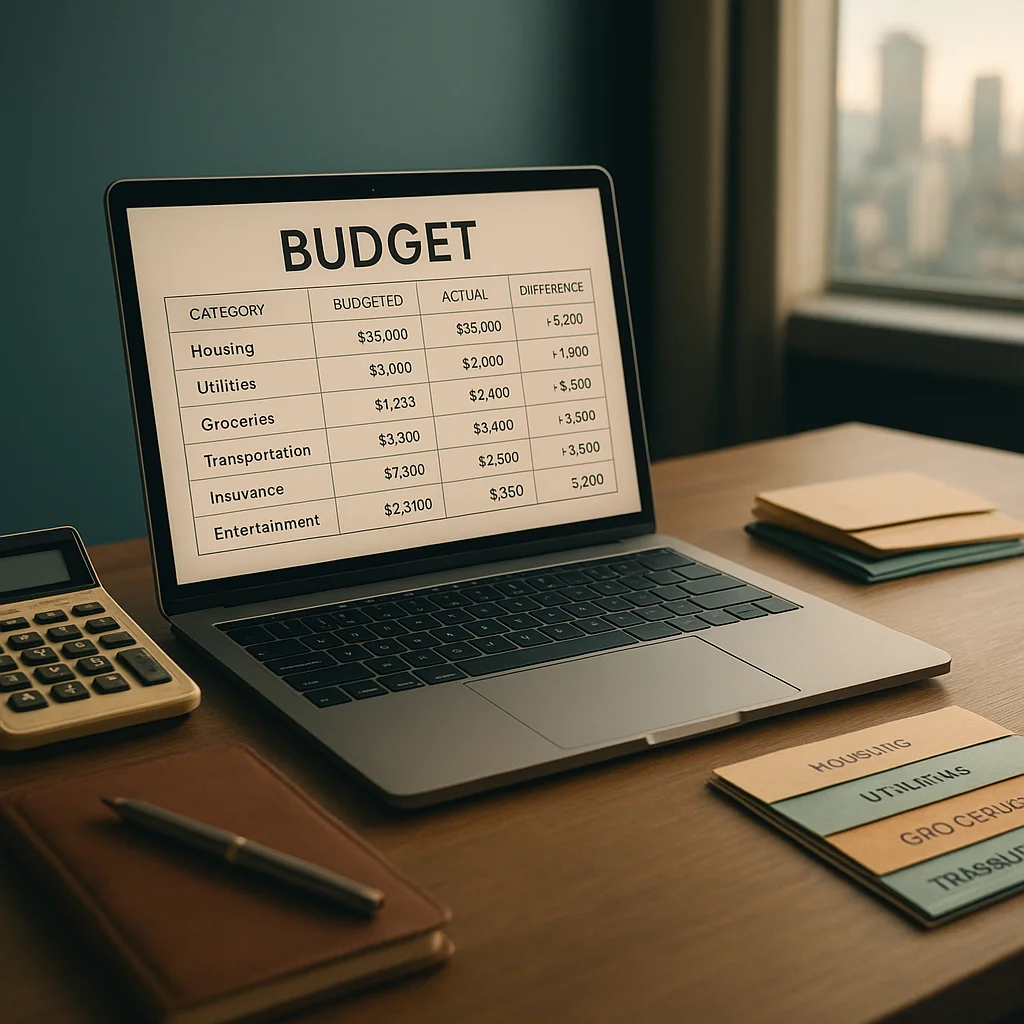

Starting Small: The First Step to Financial Clarity
Imagine riding a jeepney along EDSA during rush hour, the familiar hum and chatter blending with the city’s pulse. Now, picture your monthly expenses as the passengers crammed inside—a mix of essentials, wants, and unexpected surprises. Without a clear plan, it’s easy for your money to feel just as squeezed and chaotic. Budgeting is your map through this ride; it helps you decide where your money should go instead of wondering where it disappeared.
Many Filipinos, especially young professionals and budding entrepreneurs, struggle with budgeting because it seems intimidating or restrictive. But starting with simple, realistic steps can transform your relationship with money. According to MSN, single-income households can achieve stability by carefully tracking their expenses and prioritizing needs over wants. This principle applies broadly: knowing exactly how much money comes in and where it goes is the foundation of effective budgeting.
“Budgeting is not about limiting yourself; it’s about making room for what truly matters.”
In the Philippines, where informal economies thrive and side hustles often supplement income, flexible budgeting is crucial. It doesn’t have to be rigid. Instead, think of it as a dynamic tool that evolves with your financial journey. Starting with awareness, then moving to control, will set you up for success.
The Roots of Budgeting: Understanding Why We Need It
Budgeting isn’t a new concept. Its origins date back centuries, but its importance has only grown amid modern economic challenges. Inflation rates in the Philippines have fluctuated, affecting purchasing power and savings. In 2026, inflation remains a concern, with food and fuel prices still relatively high compared to the previous decade.
Historically, many Filipinos relied on informal budgeting methods—mental tracking, envelope systems, or family discussions. However, the shift toward digital tools and financial literacy programs has changed how budgeting is approached. Programs by the Bangko Sentral ng Pilipinas (BSP) and private fintech companies have promoted accessible financial management tools, helping millions gain better control.
Furthermore, the rise of the gig economy and side hustles in recent years means that income streams are often irregular. This unpredictability makes traditional budgeting methods less effective without adaptation. Instead of a one-size-fits-all approach, flexible, personalized budgeting strategies are now favored.
“Financial discipline starts with knowing your money’s story—from income to expenses.”
Recent surveys show that about 60% of Filipino households still don’t keep formal budgets, indicating a knowledge gap and an opportunity for improvement. Understanding the background helps explain why many feel overwhelmed at first, but also highlights the growing resources available to help.
Core Budgeting Techniques: Tools and Tips Backed by Data
Budgeting is often simplified into a few key steps: track, categorize, set limits, and review. But to get started effectively, you need practical, data-backed strategies that fit your lifestyle. Here are some essential methods:
- The 50/30/20 Rule: Allocate 50% of your income to needs (rent, food, bills), 30% to wants (dining out, entertainment), and 20% to savings and debt repayment. This rule, popularized by financial experts like Senator Elizabeth Warren, offers a balanced framework. However, in the Philippines, where fixed costs might differ, adjusting these percentages is common.
- Zero-Based Budgeting: Every peso is assigned a job. Income minus expenses equals zero. This method ensures no money is left unaccounted for, which can prevent overspending.
- Envelope System: Physically or digitally dividing money into categories. It’s ideal for those who prefer tangible budgeting and helps limit spending.
Technology plays a major role in 2026. Apps like GCash and Maya have budgeting features integrated with payment systems, making tracking seamless. According to a recent report by Afro, joy-based budgeting, which encourages spending on what brings happiness while staying within limits, is gaining popularity worldwide and aligns well with Filipino cultural values of celebration and family.
To make budgeting sustainable, consider these data-driven tips:
- Use automatic transfers to savings accounts to enforce discipline.
- Review spending weekly, not just monthly, for better control.
- Include irregular expenses like festivals, birthdays, and travel in your plan.
- Track progress visually with charts or graphs to stay motivated.
These techniques not only help track spending but foster a healthy mindset toward money management.
Budgeting in 2026: What Has Changed and What’s New?
The financial landscape in 2026 is shaped by rapid digital transformation, economic recovery post-pandemic, and increasing financial literacy efforts. Filipinos now have more access to online financial tools and community support groups dedicated to budgeting and saving.
One major development is the integration of AI-driven personal finance assistants within popular apps. These tools analyze spending patterns, suggest budget adjustments, and even identify potential savings. For example, GCash’s latest update includes an AI budgeting coach that provides personalized recommendations based on user behavior.
Moreover, government initiatives such as the BSP's Financial Wellness Program have intensified, focusing on educating Filipinos about managing debt, building emergency funds, and investing wisely. These programs emphasize practical budgeting as the first step toward broader financial health.
Another trend is the rise of side hustles, which complicates budgeting due to fluctuating income. According to data from the Philippine Statistics Authority, about 35% of employed Filipinos engage in secondary income activities. This shift demands more flexible budget models that accommodate irregular cash flow.
Financial influencers and bloggers, including myself, are increasingly advocating for budgeting frameworks tailored to Filipino realities—considering remittances, family support, and local expenses. This grassroots movement boosts engagement and helps normalize budgeting discussions.
Such developments make now an ideal time to start budgeting or refine existing habits. Leveraging technology and community knowledge can make the process less daunting and more effective.
Real-Life Success: Case Studies of Budgeting in Action
Stories inspire action. Take the example of Maria, a single mother from Quezon City. She began budgeting using the 50/30/20 rule but adapted it by allocating 40% to needs due to higher rent and 25% to savings. By tracking expenses with a simple spreadsheet and using a digital envelope system on her phone, Maria managed to save over ₱50,000 in just one year despite modest earnings.
Then there’s Jun, a college student in Cebu who used budgeting to minimize debt. Following tips shared by Irish Central, he created a strict budget focusing on essential expenses and side hustles like tutoring. Jun paid off his student loans early and even started a small online business selling local crafts.
These examples show budgeting’s versatility. Whether you’re managing a household or balancing studies and side gigs, practical budgeting can provide financial breathing room and opportunities for growth.
- Maria’s strategy: flexible percentage allocation, digital envelope tracking, and weekly review.
- Jun’s approach: prioritizing debt repayment, combining budgeting with income generation, and disciplined spending.
Both highlight the importance of tailoring budgeting methods to personal circumstances and leveraging available resources.
Looking Ahead: Budgeting Tips to Embrace for Financial Growth
The future of budgeting is personal, tech-enabled, and adaptive. As you begin or improve your budgeting journey, keep these forward-looking tips in mind:
- Regularly update your budget: Income and expenses change, especially with side hustles or inflation. Adjust your plan every few months.
- Integrate savings goals: Whether it’s an emergency fund, education, or business capital, budgeting should support your dreams.
- Use technology wisely: Employ apps with AI assistance but maintain manual awareness to avoid complacency.
- Embrace community learning: Join local financial literacy groups or online forums for motivation and advice.
- Focus on joy-based budgeting: Allocate funds for meaningful expenses that enhance your quality of life, balancing discipline with happiness.
Budgeting is a skill that grows with practice and reflection. By adopting these strategies, you’re not just managing money—you’re shaping a more secure, empowered future.
For more detailed guidance, check out How to Get Started with Budgeting Tips for Financial Success in 2026 and Essential Budgeting Tips for 2026: Master Your Finances. Both offer practical steps and motivational insights tailored to your journey.
























Sign in to leave a comment.