
Starting Strong: The Power of a Well-Planned Budget
Imagine you’re riding a jeepney along the busy streets of Quezon City, clutching your monthly expenses list. The traffic is thick, the heat is sweltering, and in your mind, you’re wondering how to stretch every peso without sacrificing the little joys of life—whether it’s that weekend merienda with friends or saving for a future business. Budgeting isn’t just about restricting yourself; it’s about creating freedom and control over your finances. As a personal finance blogger, I’ve seen countless Filipinos transform their lives simply by adopting smart budgeting habits.
Recent studies show that nearly 70% of Filipinos struggle with managing expenses effectively, often due to irregular income or unexpected costs. This is where expert budgeting tips come in—not as rigid rules, but as adaptable strategies tailored to your lifestyle. From understanding your income streams to tracking every centavo, these tips can help you build a resilient financial foundation and even fund your side hustles.
“Budgeting is not about limiting yourself. It’s about making your money work for you so that you can live a fuller life.” — Rachel Torres
How We Got Here: The Evolution of Budgeting in the Filipino Context
Budgeting in the Philippines has undergone a significant transformation over the past decade. Traditionally, many households relied on informal methods, such as the paluwagan system or simply managing cash at hand without written records. While these methods have their merits, the rise of digital banking, mobile wallets, and online shopping has introduced new complexities and opportunities.
Data from the Bangko Sentral ng Pilipinas (BSP) indicates that mobile banking users in the country increased by over 40% between 2020 and 2025, making it easier yet sometimes harder to keep track of spending. The influx of side hustles—ranging from online selling to freelancing—adds layers to monthly income, necessitating more sophisticated budgeting techniques.
Alongside these changes, inflation rates and rising costs of essentials have put pressure on Filipino families, highlighting the importance of budgeting as a survival and growth tool. The government and private sectors have responded with financial literacy campaigns, but the key remains individual commitment to budgeting.
“Budgeting is a journey, not a destination. With evolving income patterns and expenses, it demands constant adjustment and learning.” — Financial analyst, Manila Bulletin
Core Strategies: Data-Driven Budgeting Techniques That Work
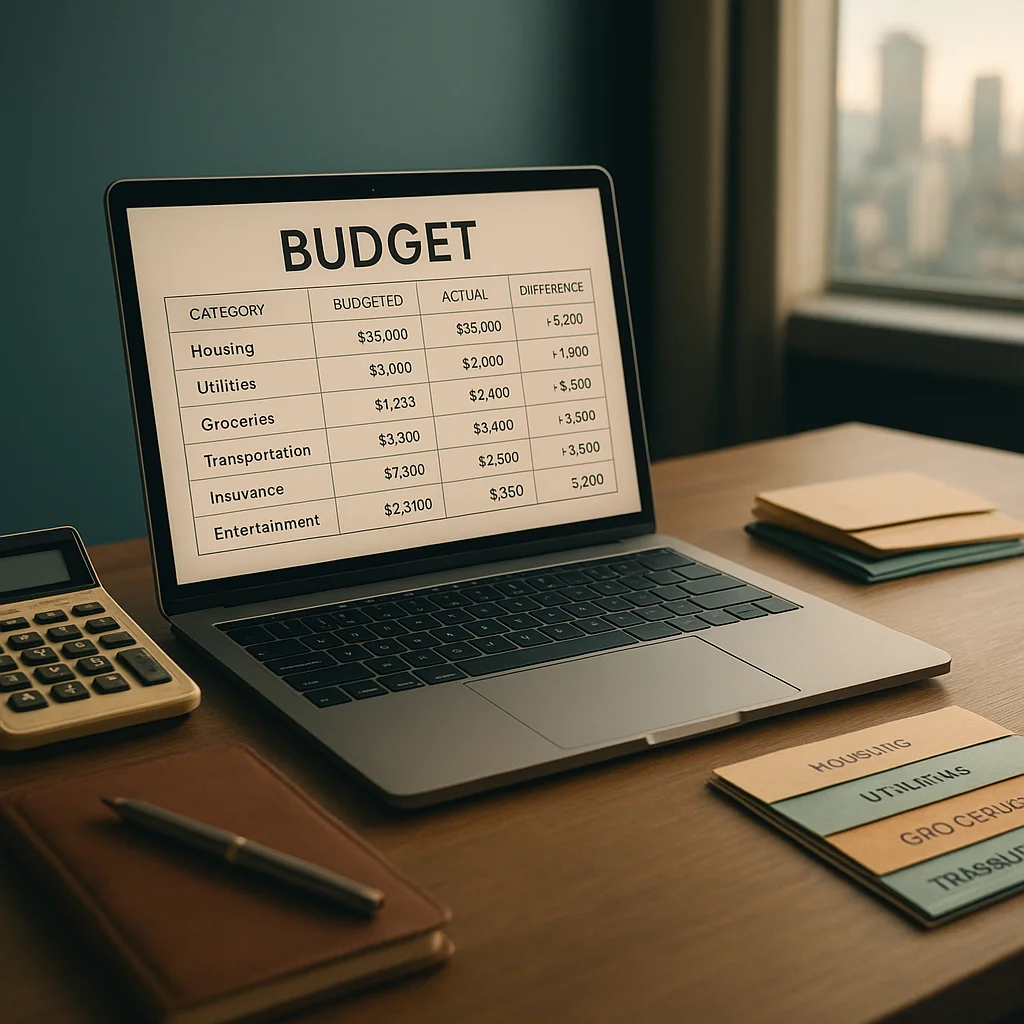
Let’s get practical. Effective budgeting hinges on several key steps, backed by data and tested by experts. Here’s what the numbers and experience show:
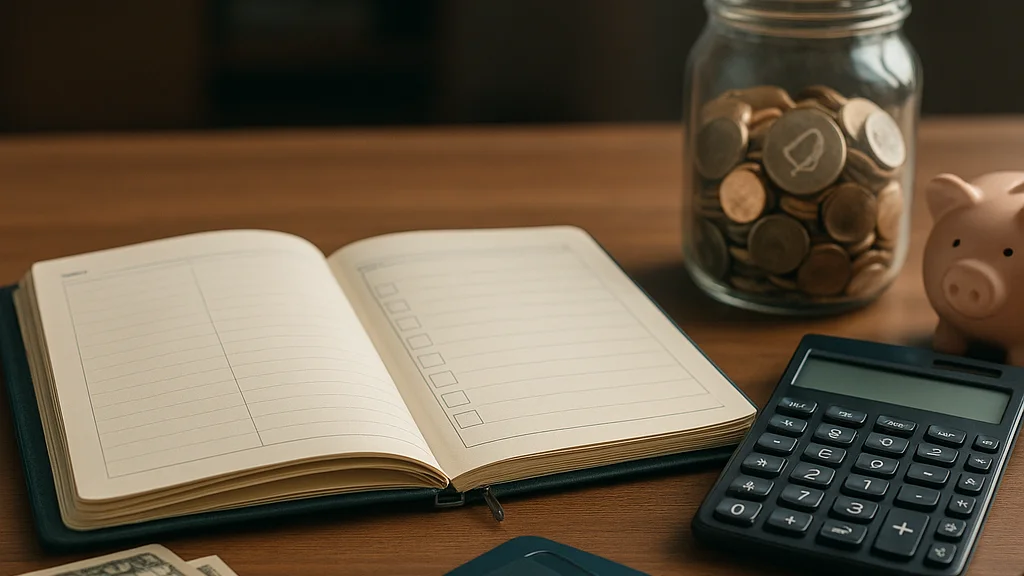
- Track Every Expense: According to a 2025 survey by the Philippine Institute for Development Studies, households that track expenses daily save up to 20% more monthly. Use apps or simple notebooks—whatever fits your routine.
- Set Realistic Income Categories: For side hustlers, include irregular income streams separately. Group them into fixed, variable, and discretionary categories to see where adjustments can be made.
- Apply the 50/30/20 Rule: Allocate 50% of income to needs, 30% to wants, and 20% to savings or debt repayment. This classic framework remains relevant but requires tweaks for inflation and local costs.
- Emergency Fund First: Experts recommend saving at least three months’ worth of expenses to cushion against unexpected events. In the Philippines, natural disasters and health emergencies make this even more critical.
- Automate Savings: Automating transfers to savings accounts or investment platforms helps maintain discipline and leverages the power of compounding over time.
Implementing these strategies requires discipline but pays off handsomely. For example, Filipino freelancer Mariel saved 25% of her variable income by categorizing her freelance earnings separately and prioritizing urgent bills. This approach also helped her allocate funds for starting a small sari-sari store, turning budgeting into entrepreneurship.
What’s New in 2026: Innovations and Trends Shaping Budgeting
Technology continues to shake up personal finance management. In 2026, the Philippines is seeing a surge in AI-powered budgeting apps tailored to local spending habits. These apps analyze data from multiple accounts and even suggest personalized saving goals based on your lifestyle.
Moreover, fintech companies are integrating micro-investment options directly into budgeting tools, allowing users to allocate spare change or specific budget portions into stocks or bonds. This trend democratizes investing, making it accessible even to those with modest incomes.
Another development is the rise of community-based budgeting groups facilitated through social media. These online communities offer peer support, accountability, and shared tips—especially helpful for those balancing multiple income sources.
Government initiatives are also expanding. The Department of Finance has launched programs partnering with local governments to distribute budgeting guides and conduct workshops in barangays, focusing on youth and small entrepreneurs.
“The future of budgeting lies in combining technology, community support, and education to empower Filipinos at every income level.” — BSP financial inclusion officer
Expert Insights: Perspectives from Financial Gurus and Local Entrepreneurs
To deepen our understanding, I reached out to several experts and local entrepreneurs who shared invaluable advice.
Kate Kaden, a frugal living expert featured in AOL, emphasizes the importance of mindset: “Budgeting is not punishment but a tool. Start with small wins, like cutting down on daily coffee purchases, and build momentum.”
Meanwhile, local entrepreneur Carlo Fernando, who runs a food stall in Manila, highlights the role of differentiating business and personal finances: “Many fail because they mix household expenses with business cash flow. Separate accounts and regular reviews keep things clear.”
These perspectives align well with the advice in WriteUpCafe’s article Expert Budgeting Tips for 2026: Master Your Finances, which stresses customization over rigid budgeting rules.
Real-Life Success Stories: Applying Budgeting Tips in Everyday Filipino Life
Budgeting is not just theory; it’s lived experience. Take Ana, a 28-year-old call center agent from Cebu who started budgeting using the envelope method. She divides her cash into labeled envelopes—food, transportation, savings, and fun. This tactile method helps her stay on track and avoid overspending.
Similarly, Jun, a jeepney driver in Davao, uses a mobile app to monitor his irregular income. He sets aside fixed amounts for fuel, maintenance, and family expenses, while directing surplus to a small piggy bank for his children’s education.
These stories show that budgeting adapts to different lifestyles and income levels. Their common thread is consistency and a willingness to adjust as circumstances change.
- Use budgeting tools that match your comfort level: notebooks, apps, or cash envelopes.
- Review your budget monthly, especially if your income fluctuates.
- Include fun and leisure to avoid burnout—budgeting should enhance your quality of life.
These practical lessons are echoed in WriteUpCafe’s Common Budgeting Mistakes to Avoid in 2026: Expert Tips for Personal Finance, a helpful resource to ensure you stay on track.
Looking Ahead: Future-Proof Your Budget and Financial Health
As we look to the future, budgeting will remain a cornerstone of personal finance, but flexibility will be paramount. Inflation, climate change, and shifting job markets will challenge traditional budgeting models. Embracing continuous learning and leveraging technology will be vital.
Experts predict that community-driven finance, where groups pool resources and knowledge, will grow stronger. This model resonates well with Filipino values of bayanihan and support. Investing in financial literacy from a young age will empower the next generation to build wealth sustainably.
Start today by setting clear financial goals, tracking your progress, and celebrating milestones. Budgeting is a tool that can unlock your dreams—whether it’s launching a small business, funding education, or securing retirement.
“Your budget is a living plan. Adapt it, nurture it, and let it guide you toward financial freedom.” — Rachel Torres





















Sign in to leave a comment.