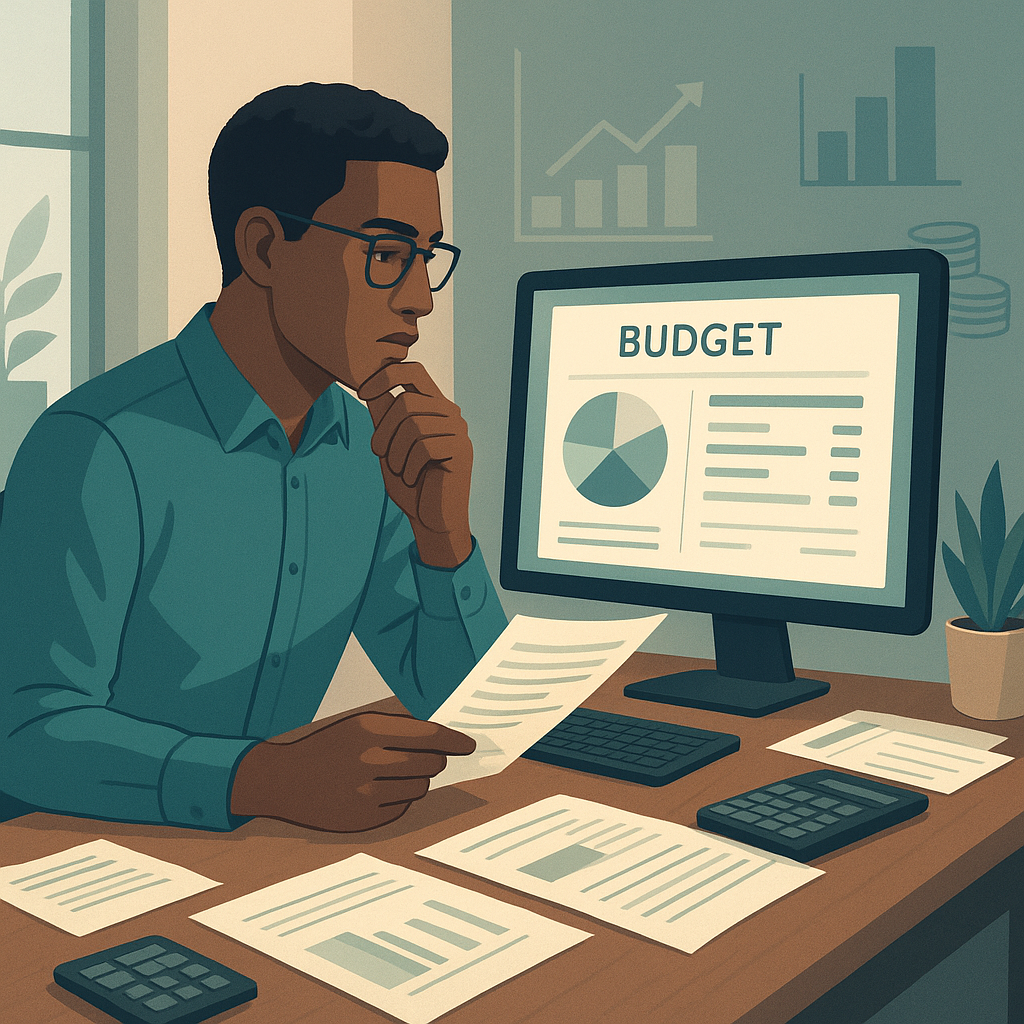

Introduction: The High Cost of Budgeting Missteps
Budgeting remains the cornerstone of effective personal finance, yet countless individuals struggle to maintain a stable financial footing due to common budgeting errors. In 2026, despite a plethora of digital tools and widespread financial literacy initiatives, surveys indicate that over 60% of adults still experience money stress linked directly to budgeting mistakes, according to recent data from the National Financial Educators Council. These errors range from overly rigid plans to neglecting variable expenses, often sabotaging the very goals budgets aim to achieve.
Imagine Sarah, a 32-year-old marketing professional, who meticulously drafted a monthly budget yet found herself consistently short on cash by week's end. Her story isn’t unique; many fail to account for fluctuating costs or emotional spending triggers, leading to frustration and abandonment of their budgets altogether. This article explores the most pervasive budgeting mistakes, backed by data and expert commentary, while providing actionable insights for 2026’s personal finance enthusiasts and side hustlers alike.
Budgeting Fundamentals Misunderstood: How We Got Here
Budgeting has evolved dramatically over the past few decades. Once a manual ledger exercise, it now leverages AI-driven apps and real-time transaction tracking. However, the core principles remain constant: understanding income, controlling expenses, and planning for the future. Unfortunately, the democratization of budgeting tools has not necessarily translated to better outcomes. According to Yahoo Finance, while over 70% of Americans use some form of budgeting app, attrition rates remain high, suggesting that technology alone cannot fix fundamental errors.
The root of many budgeting mistakes lies in a misunderstanding of cash flow dynamics and psychological biases. Behavioral economics research highlights how optimism bias causes individuals to underestimate expenses or overestimate income stability. The pandemic's economic disruptions further complicated budgeting efforts, with fluctuating incomes and unexpected expenses becoming common. Additionally, the rise of side hustles adds complexity; many fail to integrate these additional income streams properly, undermining the accuracy of their budgets.
Budgeting education in schools and workplaces has improved but remains insufficient. Many adults enter financial independence without a solid grasp of budgeting beyond “spending less than you earn.” This simplistic mantra, while true, misses nuanced challenges such as debt management, emergency fund allocation, and variable expenses, leading to repeated budgeting pitfalls.
Top Common Budgeting Mistakes Analyzed with Data
To understand what errors are most detrimental, a 2025 survey by the Financial Planning Association identified the following top mistakes among budgeters:
- Failing to track all expenses accurately (45%)
- Setting unrealistic spending limits (38%)
- Ignoring irregular or seasonal expenses (32%)
- Not updating the budget regularly (29%)
- Overlooking the impact of debt repayments (27%)
These errors lead to budget blowouts and diminished motivation. For instance, failing to track expenses consistently often results in overlooked small purchases, which add up significantly. According to Statista, Americans spend an average of $1,200 annually on untracked impulse buys, severely skewing budgets.
Another critical mistake is the rigidity of budgeting categories. Budgets that do not allow flexibility fail to accommodate life's unpredictability, causing overspending in unplanned areas or unnecessary deprivation in others. This inflexibility can trigger emotional spending as a reaction to feelings of restriction.
Debt management is frequently misunderstood within budgets. Many underestimate minimum payments or fail to prioritize high-interest debts, prolonging financial strain. This oversight can consume a disproportionate share of income, leaving little room for savings or discretionary spending.
In contrast, successful budgeters employ adaptive strategies that include contingency funds and monthly budget reviews. These approaches align spending with actual financial realities, improving sustainability.
Current 2026 Developments Influencing Budgeting Practices
The personal finance landscape in 2026 introduces new dynamics influencing budgeting strategies. Inflation rates have stabilized somewhat after the volatility of the early 2020s, but cost-of-living increases remain a challenge, especially in urban centers. Energy and food prices continue to fluctuate due to geopolitical tensions and climate impacts, making budgeting for essentials more complex.
Technological advancements are also reshaping how people budget. AI-powered financial assistants now provide personalized budget optimizations, alert users to unusual spending patterns, and forecast cash flow with greater accuracy. However, dependence on technology can lead to complacency, with some users neglecting to understand the underlying principles of their budgets.
The rise of side hustles and gig economy jobs demands more sophisticated budgeting techniques. Income variability requires dynamic budgeting models rather than static monthly plans. For example, freelance graphic designer Mark uses a rolling average income calculation to smooth his budget and avoid shortfalls during lean months.
Financial education efforts in 2026 increasingly emphasize behavioral insights, aiming to overcome psychological barriers to effective budgeting. Programs now integrate habit formation and emotional regulation techniques alongside traditional financial literacy.
Furthermore, the integration of budgeting with sustainability goals is gaining traction. Many budgeters now allocate funds toward eco-friendly products and services, balancing financial discipline with personal values.
Expert Perspectives: What Financial Advisors Say About Avoiding Mistakes
Leading financial advisors stress that avoiding common budgeting mistakes requires both discipline and adaptability. Rachel Thompson, CFP and author of the upcoming book Smart Money Habits for 2026, advises:
"A budget should be a living document, not a rigid mandate. Regularly revisiting and adjusting your budget in response to real-life changes is crucial for long-term success."
Experts also highlight the importance of realistic goal-setting. Setting unattainable saving targets or spending caps often leads to burnout and abandonment of budgets. Instead, incremental improvements and celebrating small victories foster sustainable habits.
Debt specialist Carlos Medina emphasizes the need to integrate debt payments within the budget transparently:
"Ignoring debt or treating it as an afterthought undermines financial progress. Prioritizing high-interest debt and including those payments clearly in your budget transforms debt from a burden into a manageable component of your financial plan."
Financial coaches increasingly recommend the use of hybrid budgeting methods combining zero-based budgeting with envelope systems to balance control and flexibility. They also encourage clients to use budgeting apps as tools rather than crutches, ensuring ongoing engagement with their finances.
These insights align with the recommendations found in WriteUpCafe’s Expert Budgeting Tips for 2026: Master Your Finances and Essential Budgeting Tips for 2026: Master Your Finances, which emphasize adaptability and behavioral awareness.
Actionable Takeaways and Future Outlook
To build a resilient, effective budget in 2026, consider these expert-backed strategies:
- Track all spending meticulously: Use apps or manual logs to capture every expense, including small and irregular purchases.
- Set realistic, flexible spending limits: Avoid overly strict categories; allow buffers for unexpected expenses.
- Include irregular and seasonal costs: Plan ahead for expenses like insurance premiums, holiday spending, and vehicle maintenance.
- Integrate debt payments transparently: Prioritize high-interest debt and reflect payments clearly in your budget.
- Review and adjust monthly: Budgets should evolve with income changes, lifestyle shifts, and financial goals.
Looking ahead, budgeting will continue to benefit from technological innovation but must remain grounded in personal accountability and behavioral insight. Financial education programs in 2026 are poised to expand their focus on mental and emotional aspects of money management, recognizing that the best tools cannot substitute for sound habits.
For those juggling multiple income streams or side hustles, dynamic budgeting techniques that incorporate income averaging and scenario planning will become increasingly essential. Tracking tools that sync with bank accounts and gig platforms will improve accuracy but require user engagement to be effective.
Ultimately, avoiding common budgeting mistakes requires a mindset shift: budgets are not restrictive cages but frameworks for freedom and security. Embracing adaptability, transparency, and self-awareness will empower individuals to turn budgets from dreaded chores into powerful financial allies.
For readers eager to deepen their budgeting knowledge, the Essential Budgeting Tips for Beginners in 2026 offers a comprehensive foundation. Additionally, exploring the Top Budgeting Tips for 2026: Maximize Your Savings Now can help refine strategies for those seeking to optimize their financial outcomes in the current year.






















Sign in to leave a comment.