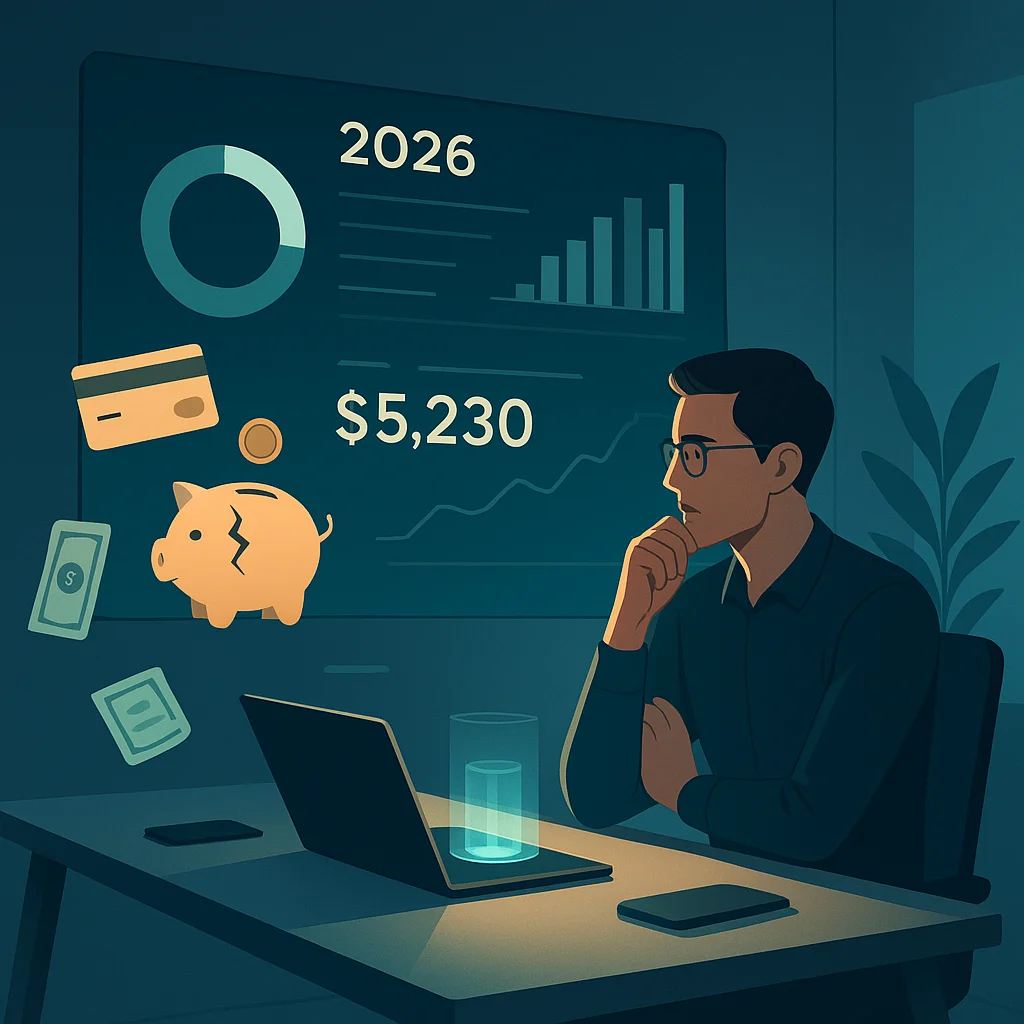

Understanding the Stakes: Why Budgeting Errors Matter More in 2026
In the bustling markets of Lagos, where every naira counts and entrepreneurial spirit fuels daily survival, budgeting is not just a financial exercise—it is a lifeline. According to recent data from the National Bureau of Statistics (NBS), Nigerian households reported an average monthly income increase of just 2.5% in early 2026, while inflation remains stubbornly high at over 20%. This gap means that improper budgeting can quickly erode purchasing power and stifle personal financial growth.
Despite the urgency, a significant number of individuals, especially those juggling side hustles, fall into common budgeting pitfalls that undermine their financial goals. As the African fintech sector innovates rapidly, offering new tools for money management, many still struggle to adapt their budgeting habits to the evolving economic environment. Hence, understanding these mistakes and learning how to avoid them can transform one’s financial trajectory.
“A budget is telling your money where to go instead of wondering where it went.” — Dave Ramsey
This adage holds especially true in Lagos’ vibrant economy, where the hustle and bustle can cause distractions, leading to financial leakages. In this article, we explore the most frequent budgeting mistakes Nigerians and side hustlers are making in 2026, supported by expert insights and practical strategies to build a resilient personal finance system.
Historical Context: How Budgeting Practices Evolved in Nigeria
Budgeting in Nigeria has traditionally been informal, often reliant on mental calculations, cash envelopes, or handwritten accounts. The advent of mobile banking and fintech apps over the past decade introduced more structured methods, but adoption varies widely across demographics. According to a 2025 survey by the Lagos State Ministry of Economic Planning, only 38% of urban households actively use digital budgeting tools, while rural areas lag significantly behind.
This gap reflects not just technology access but also financial literacy levels. Many Nigerians still rely on cash-based systems and informal savings groups (esusu), which can complicate precise tracking of income and expenses. Furthermore, cultural norms around communal financial support sometimes blur personal budgeting boundaries.
The past few years also saw a surge in side hustles—from online trading to food vending—adding layers of income complexity. While side hustles boost cash flow, they also introduce irregular earnings, making budgeting more challenging. This context explains why many face budgeting errors, despite the best intentions.
Government policies aimed at increasing financial inclusion, such as the National Financial Inclusion Strategy updated in 2024, have encouraged the use of formal financial products. Yet, behavioral change remains slow. For many, budgeting is viewed as restrictive rather than empowering, leading to inconsistent practices.
Core Analysis: Common Budgeting Mistakes That Stall Financial Progress
Drawing from multiple sources including Mena FN and Yahoo Finance, here are the primary budgeting mistakes affecting individuals in 2026, especially those managing personal finances alongside side hustles:
- Failing to Account for Irregular Income: Many side hustlers earn unpredictably, yet they create budgets based on fixed monthly figures. This mismatch causes overspending during lean months or missed saving opportunities during flush periods.
- Neglecting to Track Small Expenses: Frequent small cash outflows—like daily snacks, transport fares, or airtime purchases—often go unnoticed but accumulate significantly over time, disrupting budget accuracy.
- Overlooking Inflation and Price Fluctuations: With inflation rates above 20%, static budgets quickly become outdated. Failing to update budgets regularly leads to underestimating essential expenses.
- Setting Unrealistic Budgets: Budgets that are too tight or ignore lifestyle needs cause frustration and eventual abandonment of financial plans.
- Ignoring Debt Repayment Planning: Without explicitly budgeting for loan repayments, individuals risk falling behind, incurring penalties, and damaging creditworthiness.
According to a 2025 report by the Financial Literacy Foundation Nigeria, 65% of surveyed individuals admitted to abandoning budgets within three months due to lack of flexibility or impractical targets. This data underscores the importance of adaptive budgeting strategies.
“Budgeting isn’t about restriction; it’s about making your money serve your goals.” — Financial Literacy Foundation Nigeria, 2025
Latest Developments in 2026: Digital Tools and Behavioral Shifts
In 2026, the personal finance space in Nigeria has witnessed rapid integration of advanced budgeting tools powered by AI and behavioral analytics. Apps like Cowrywise and PiggyVest have launched new features tailored to users with irregular incomes, allowing dynamic budget adjustments based on real-time cash flow.
Moreover, fintech startups are incorporating local market realities by integrating inflation trackers and expense categorization aligned with Nigerian consumption habits. This shift helps users maintain more realistic budgets and anticipate economic changes.
On the behavioral front, financial coaching services have gained traction, with professionals offering personalized guidance to help individuals overcome psychological barriers to budgeting. According to Blog By Donna on MSN, the most effective budgeting strategies in 2026 combine technology with human accountability.
- Introduction of AI-driven budget planners that learn spending habits and suggest adjustments.
- Community budgeting groups that leverage social motivation to improve adherence.
- Integration of investment planning within budgeting apps to encourage wealth-building.
These innovations are particularly relevant for Lagos hustlers who juggle multiple income streams and need flexible but disciplined budgeting frameworks.
Expert Perspectives: Insights from Nigerian Financial Coaches and Analysts
Financial experts in Nigeria emphasize that budgeting success hinges on understanding one’s unique financial situation and cultural context. Mrs. Ifeoma Eze, a Lagos-based financial coach, notes, “Many clients struggle because they try to impose rigid Western budgeting models without adapting them to the realities of variable income and communal financial obligations.”
She advocates for a hybrid approach that combines strict tracking of essential expenses with flexible allocation for social and family support, a common expectation in Nigerian culture.
Similarly, economist Dr. Chike Obi highlights the importance of inflation-adjusted budgeting. “In an economy where prices can shift monthly, budgets must be living documents, revisited and revised regularly,” he explains.
“Budgeting is not a one-time event but a continuous conversation between your present and future self.” — Ifeoma Eze, Financial Coach
Industry analysts also point to the rise of side hustles as a double-edged sword. While they increase income potential, they complicate budgeting. Experts recommend segregating business and personal finances distinctly, even for micro-entrepreneurs, to avoid confusion and manage tax responsibilities effectively.
For those interested in deepening their budgeting skills, WriteUpCafe offers excellent resources such as Common Budgeting Mistakes to Avoid in 2026: Expert Tips for Personal Finance and Essential Budgeting Tips for 2026: Master Your Finances, which provide practical, culturally relevant advice for Nigerian readers.
Practical Case Studies: How Lagos Entrepreneurs Overcame Budgeting Challenges
Tolani, a Lagos-based fashion designer with a thriving side hustle selling bespoke bags, once struggled with budgeting due to her fluctuating monthly income. Initially, she set a fixed budget that failed to accommodate slow months, resulting in unpaid bills and strained supplier relationships.
After consulting a financial coach, she adopted a three-tier budgeting model:
- Base Budget: Covers fixed essential expenses like rent, utilities, and school fees.
- Variable Budget: Adjusts monthly based on side hustle earnings, covering discretionary spending.
- Savings Buffer: A percentage of income from high-earning months set aside for lean periods.
This approach gave her financial stability and peace of mind. Her story echoes many Lagos hustlers’ experiences and highlights the need for flexible yet disciplined budgeting frameworks.
Similarly, Emeka, a digital marketer with multiple freelance clients, used a mobile app to track every naira spent, including small daily expenses like airtime and transport. This visibility helped him identify unnecessary spending and redirect funds toward debt repayment and investment.
“A budget that doesn’t capture small expenses is like a sieve; money just slips through unnoticed.” — Emeka, Freelance Digital Marketer
Both cases exemplify the advice found in Top Budgeting Tips for 2026: Maximize Your Savings Now, underlining how practical, real-world strategies can translate budgeting theory into financial empowerment.
Looking Ahead: Future Trends and Takeaways for Effective Budgeting
As Nigeria’s economy continues to evolve, budgeting in 2026 and beyond will demand even greater adaptability. Key trends to watch include:
- Deeper Integration of AI and Behavioral Finance: Budgeting apps will increasingly personalize recommendations based on individual habits and economic conditions.
- Greater Focus on Financial Wellness: Beyond numbers, mental and emotional aspects of money management will gain prominence.
- Expansion of Financial Literacy Programs: Both government and private sector initiatives will aim to close knowledge gaps, especially in rural areas.
- Increased Use of Community-Based Budgeting: Leveraging social networks to boost accountability and shared financial goals.
For the hustler in Lagos or any Nigerian managing multiple income streams, the proverb “If you want to go fast, go alone; if you want to go far, go together” rings true. Collaborative learning and consistent budgeting reviews are essential to long-term success.
Ultimately, budgeting is a tool—not a constraint. Avoiding the common mistakes outlined here can unlock financial stability, allowing individuals to focus on growth, investment, and the joy of entrepreneurship. For a more comprehensive understanding, readers can explore detailed guides like Essential Budgeting Tips for Beginners in 2026, which complement the insights shared in this article.
“Master your budget, and you master your future.” — David Okafor























Sign in to leave a comment.