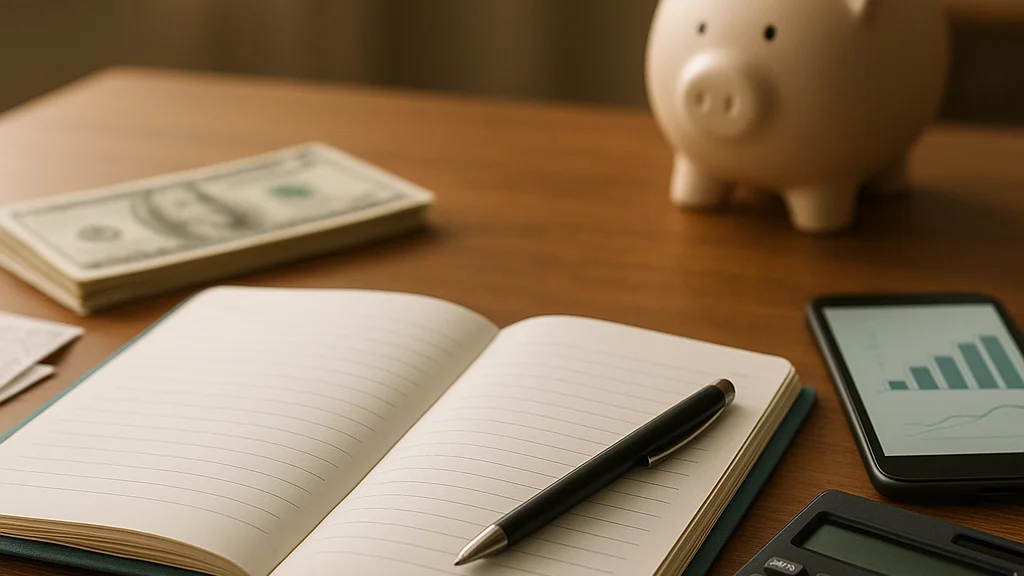

A budget usually breaks where real life begins
One Monday morning in Quezon City, I watched a young office worker at a convenience store count coins for coffee, swipe her e-wallet for breakfast, then joke that her salary had already “filed for leave” before the month even started. That line gets laughs on jeepney rides and in office pantries because it feels painfully familiar. Many people are earning, paying bills, and even trying to save, yet still feeling one tricycle fare away from stress. The problem is not always laziness or lack of discipline. Often, the problem is that budgeting advice sounds neat on paper but collapses once rent, transport, food inflation, family support, and surprise expenses show up all at once.
That is why expert tips for budgeting have to be practical, not performative. A useful budget should survive payday temptations, school fees, rising utility costs, and the random “ambagan” that pops up before a barangay event or office celebration. It should also leave room for joy. A budget that treats every iced coffee, every birthday handa, and every small family outing as failure will not last. Good budgeting is not punishment. It is a system that helps you direct money before money disappears.
Recent consumer finance reporting has reinforced this reality. Around the world, households are dealing with sticky living costs, elevated borrowing rates compared with the ultra-low-rate era, and digital spending habits that make money feel less tangible. In the Philippines, this pressure is felt in ordinary routines: grocery totals rising faster than expected, transport costs nibbling at take-home pay, and side hustles becoming less optional for many households.
The best budget is not the strictest one. It is the one you can repeat through a normal, imperfect month.
If you have read pieces like Expert Tips for Budgeting: Practical Strategies to Master Your Money or Expert Tips for Budgeting That Actually Work in Real Life, you already know the basics matter. What follows goes deeper: how to build a budget that reflects current costs, protects your cash flow, and supports side hustles without burning you out. This is where budgeting becomes less about guilt and more about control!
Why old budgeting advice fails for many households
Traditional budgeting advice often assumes stable income, predictable bills, and enough margin to separate needs, wants, and savings neatly. For many workers and freelancers, that is simply not the setup. Income may come from salary plus commissions, online selling, tutoring, content work, ride-hailing, or weekend food orders. Expenses also behave differently now. Subscription charges are automated. App-based purchases reduce the “pain” of spending. Small digital transactions accumulate quietly until they become a serious leak.
Another issue is that many people copy budget ratios without checking whether those ratios fit local realities. The famous 50/30/20 rule can be a useful starting point, but if your rent, utilities, and transport already consume more than half your income, forcing the ratio can make you feel like you are failing when the framework is what needs adjusting. Budgeting should reflect your life stage. A fresh graduate living with parents, a breadwinner supporting siblings, and a freelancer with seasonal income should not be using the same exact template.
There is also a psychological gap. People think budgeting means tracking every peso forever. That scares them off. In truth, the most effective budgets rely on a few high-impact habits: separating fixed and flexible costs, setting spending caps before the month starts, and reviewing categories weekly. You do not need a spreadsheet worthy of an auditor. You need a system you will actually open on a Wednesday night when you are tired.
Recent advice in travel budgeting offers a surprisingly good analogy. In Newsday’s piece on avoiding luggage fees, the emphasis is on planning before the cost hits you. That principle applies beautifully to personal finance. Budgeting works best when you reduce avoidable fees, friction, and impulse costs before they happen, not after your account balance is already gasping.
The same pattern appears in holiday spending guidance. The Independent on MSN’s roundup of travel experts’ saving tips highlights comparison, timing, and intentional trade-offs. Personal budgeting follows the same logic. Compare recurring costs. Time large purchases around your strongest cash-flow weeks. Choose what matters most, and cut the rest without drama.
- Static budgets fail when income changes month to month.
- Category blindness fails when digital spending hides real totals.
- Overly strict plans fail when they ignore social and family obligations.
- Generic ratios fail when local living costs are already too high.
The fix is not a more complicated budget. The fix is a more honest one.
Start with a cash-flow map, not a wish list
When I help friends reset their finances, I do not begin with savings goals. I begin with cash flow. That sounds less exciting, but it is the foundation. You need to know what enters your hands, when it arrives, and what exits automatically or predictably. Many budgets fail because people plan according to monthly totals while their money actually moves weekly, biweekly, or irregularly. Timing matters almost as much as amount.
A cash-flow map is simple. List every income source and its usual date. Then list every fixed expense: rent, loan payments, tuition, internet, insurance, subscriptions, and debt minimums. After that, estimate flexible categories such as food, transport, mobile load, pets, medicine, and social spending. Finally, add “irregular but inevitable” expenses. This category is magic because it includes the things people pretend are surprises even though they show up every year or every few months: birthdays, school projects, appliance repairs, annual fees, holiday gifts, and medical checkups.
Once the map is visible, assign each peso a role. Not every peso goes to savings immediately. Some must sit in a buffer so your account does not crash between pay cycles. This is especially important for freelancers and side hustlers. If one client pays late, your budget should bend without breaking.
If your budget ignores timing, one delayed payment can turn a good income month into a cash emergency.
Here is a practical sequence that works for many households:
- Cover fixed essentials first.
- Set aside a small buffer for the next seven to fourteen days.
- Fund transport and food before lifestyle spending.
- Pay debt obligations on schedule.
- Move a pre-decided amount to savings or sinking funds.
- Only then decide what is available for wants.
This sounds basic, but it changes behavior fast. You stop asking, “Do I have money?” and start asking, “What is this money already assigned to do?” That one shift reduces impulse spending more than most budgeting apps.
If you need a companion framework, Common Budgeting Mistakes to Avoid in 2026: Expert Tips for Personal Finance is useful because it shows where people misclassify expenses and overestimate self-control. A solid budget is not built on optimism alone. It is built on patterns you have already observed.
The numbers that matter most: fixed costs, leakages, and savings rate
People love asking how much they should save, but before that question, three numbers deserve your full attention: your fixed-cost ratio, your spending leakages, and your real savings rate. These tell you whether your budget is sturdy or just decorative.
First, calculate your fixed-cost ratio by dividing fixed monthly expenses by take-home income. If your ratio is very high, your budget is fragile. One income dip or emergency can trigger borrowing. For many households, a fixed-cost ratio above 60% is a warning sign, especially if there is debt involved. That does not mean you have failed. It means your next budget decisions should focus on flexibility, not perfection. You may need to renegotiate rent, reduce subscriptions, refinance expensive debt if possible, or increase income through a side hustle rather than forcing unrealistic cuts in groceries.
Second, identify leakages. These are repeated expenses that feel small but hit hard in total: delivery fees, app convenience charges, ride-hailing overuse, in-game purchases, duplicate streaming subscriptions, “healing my inner child” shopping sprees, and office-day snacks. Leakages are not always bad. The point is to count them honestly. A P120 coffee twice a week is not financial ruin. But P120 coffee, P89 delivery fees, P149 app charges, and random sale purchases together can quietly erase your savings margin.
Third, compute your real savings rate. Do not use what you hope to save. Use what actually remained after all expenses and transfers. If you moved money to savings but pulled it back before month-end, that was not savings. That was temporary parking. Real numbers create real progress.
- Healthy fixed-cost ratio: lower is safer because it leaves room for shocks.
- Leakage review: check weekly, not annually.
- Real savings rate: measure what stayed saved.
- Debt pressure: track minimums and interest-heavy balances separately.
According to central bank commentary and consumer finance reporting across 2025 and 2026, households globally have stayed sensitive to food, housing, and borrowing costs even as inflation trends cooled from prior peaks in some markets. That means budgeting success now depends less on fancy hacks and more on structural choices: lower recurring costs, better timing, and disciplined category limits.
For readers who want a broader framework, Expert Budgeting Tips for 2026: Master Your Finances expands on how to adjust your categories when prices shift. I like that approach because it treats budgeting as a living system, not a once-a-year promise made after New Year fireworks.
How to budget when income is irregular or side hustles are involved
This is the section I wish more finance guides would write properly. Many Filipinos do not rely on one clean monthly salary. They sell food trays, take online freelance gigs, manage sari-sari side income, tutor after work, resell beauty products, or earn from content and affiliate projects. A regular employee may still have irregular cash flow because overtime, incentives, and commissions fluctuate. If that is your life, a standard monthly budget can feel useless.
The smarter method is to budget from your minimum reliable income. Look back at the last six to twelve months and identify the lowest amount you could reasonably expect in a weak month. Build your essentials around that baseline. Then treat extra income as strategic money, not instant spending money. I know, medyo tempting! But this is where side hustles become wealth-building instead of stress-building.
Split side-hustle income into clear buckets. A simple model works well:
- 50% to financial goals: emergency fund, debt reduction, or sinking funds.
- 20% for taxes, fees, or business costs.
- 20% for personal use or rewards.
- 10% for reinvestment into the hustle.
You can adjust the percentages, but the principle matters. Irregular income should have rules before it arrives. Otherwise, it vanishes into “deserve ko ’to” spending and leaves no long-term impact.
Another expert tip: separate business and personal money even if your side hustle is still small. Use a different e-wallet, bank account, or at least a dedicated ledger. When funds mix together, you cannot tell whether the hustle is profitable or just financing your lifestyle. That confusion leads to bad decisions, especially when restocking inventory or accepting low-margin projects.
There is also a hidden advantage here. A side hustle can stabilize your budget psychologically. When one income stream is under pressure, you feel less desperate and make fewer panic choices. That matters. Financial resilience is not only about arithmetic. It is also about emotional breathing room.
I have seen this firsthand with friends who started weekend baking, digital services, and ukay reselling. None became millionaires overnight. But several stopped relying on credit for school supplies, annual fees, and holiday expenses because their side income was assigned to those categories. That is a huge win! Budgeting becomes easier when extra earnings are given a mission.
What changed recently and why 2026 budgeting needs more flexibility
By mid-2026, the budgeting conversation is more nuanced than it was a few years ago. Digital payments are now deeply embedded in daily life, which makes convenience higher but spending less visible. Households have also become more conscious of emergency preparedness after several years of inflation shocks, weather disruptions, and unstable work arrangements in some sectors. The result is a new budgeting priority: flexibility.
Flexibility does not mean vague spending. It means designing categories that absorb real-world volatility. Grocery budgets, for example, should include a price-rise margin. Transport budgets should reflect occasional fare changes, fuel-linked fluctuations, or the reality that some days you will choose a ride-hailing app because time matters. Utility budgets should not be copied from a cool-weather month if summer electricity use is very different.
Another 2026 shift is the growing use of budgeting apps and digital banks with automated features. These tools can help by creating envelopes, goals, and alerts. But automation is only useful if your categories are realistic. Auto-transferring too much into savings on payday can backfire if you repeatedly pull it back for groceries. Better to automate a smaller amount you can sustain, then increase it every two or three months.
Recent reporting on consumer behavior also suggests that people are more willing to compare prices, delay nonessential purchases, and seek value bundles. That mindset is healthy when applied carefully. Frugality should not become false economy. Buying cheap items that break quickly, paying penalties because you ignored due dates, or skipping preventive healthcare can cost more later.
One lesson from the travel sector fits here. Advice from Newsday and The Independent on MSN emphasizes avoiding unnecessary fees and planning around predictable costs. For personal finance, think of bank charges, late fees, high-interest installment plans, and convenience costs the same way you would think about baggage fees on a flight. They are expensive because they hit after you have already committed. Prevention beats recovery every time.
Modern budgeting is less about denying yourself everything and more about reducing expensive surprises.
That is why 2026 budgeting should include three cushions: a cash buffer, a category for irregular expenses, and a small fun fund. Yes, fun fund! A budget with zero breathing room rarely survives. A budget with structure and a little humanity has a much better chance.
Practical systems that make budgeting stick month after month
Now for the part people can use immediately. The strongest budgeting systems are boring in the best way. They reduce decisions, create visibility, and make overspending inconvenient. You do not need all of these. Pick two or three and commit for ninety days.
First is the weekly money check-in. Set one fixed time, maybe Sunday evening after dinner or Wednesday after work. Review account balances, upcoming bills, and category totals. This takes fifteen to twenty minutes. The goal is not to judge yourself. The goal is to catch drift before it becomes damage.
Second is the sinking fund method. Instead of treating annual or irregular expenses as emergencies, divide them into monthly contributions. If school enrollment, holiday gifts, gadget replacement, and medical checkups happen every year, they deserve their own mini-funds. This is one of the most powerful expert tips for budgeting because it turns chaos into routine.
Third is the cash-or-cap rule for vulnerable categories. If food delivery, online shopping, or nightlife is where your budget goes to die, place a hard cap on that category. You can use cash, a separate wallet, or a prepaid account. Once that amount is gone, stop. Friction is your friend.
Fourth is the one-day rule for impulse buys. Wait twenty-four hours before purchasing anything outside your plan. If you still want it tomorrow and it fits the budget, go ahead. This tiny pause kills many unnecessary purchases without making you feel deprived.
- Weekly review: prevents small leaks from becoming big deficits.
- Sinking funds: prepare for predictable non-monthly costs.
- Category caps: protect your weak spots.
- Waiting period: lowers impulse spending.
- Automation: use only for amounts you can truly sustain.
Finally, celebrate operational wins, not just big milestones. Paid all bills on time? Great. Stayed within your transport budget for three weeks? Great. Managed to save a small amount consistently? Also great! Progress compounds. A budget is a habit system long before it becomes a wealth system.
The smartest takeaway: budget to build freedom, not just restraint
The strongest budgets I have seen are not the prettiest spreadsheets. They are the ones attached to a purpose. Maybe you want to stop borrowing before payday. Maybe you want to fund your child’s school needs without panic. Maybe you want capital for a home-based food business, a better laptop for freelance work, or a small emergency fund so one bad week does not knock the whole household over. Purpose gives budgeting stamina.
So here is the practical summary. Track your real cash flow. Keep fixed costs under control where possible. Identify leakages without shame. Build from your minimum reliable income if earnings fluctuate. Assign side-hustle money to specific goals. Use sinking funds for predictable surprises. Review weekly. Leave room for joy. Repeat.
Do not wait for a perfect salary, perfect month, or perfect app. Start with the numbers you have now. Even a modest budget can create momentum. And momentum matters! Plenty of people think financial stability arrives through one dramatic breakthrough. Usually, it arrives through dozens of quiet decisions made consistently: cooking more often, capping delivery spending, moving money to savings on schedule, saying no to one more installment plan, and using side-hustle income with intention.
If your budget has failed before, that does not mean you are bad with money. It may simply mean your system did not match your life. Adjust it. Make it more honest. Make it more flexible. Make it easier to repeat. That is where expert tips for budgeting become truly useful—not as rigid rules, but as tools that help ordinary people protect their peace and build options for the future.
And if you are riding home after work, tired, checking your balance, and wondering whether change is still possible, I will say this plainly: yes, it is. One category, one week, one paycheck at a time. That is how real budgeting works.

























Sign in to leave a comment.