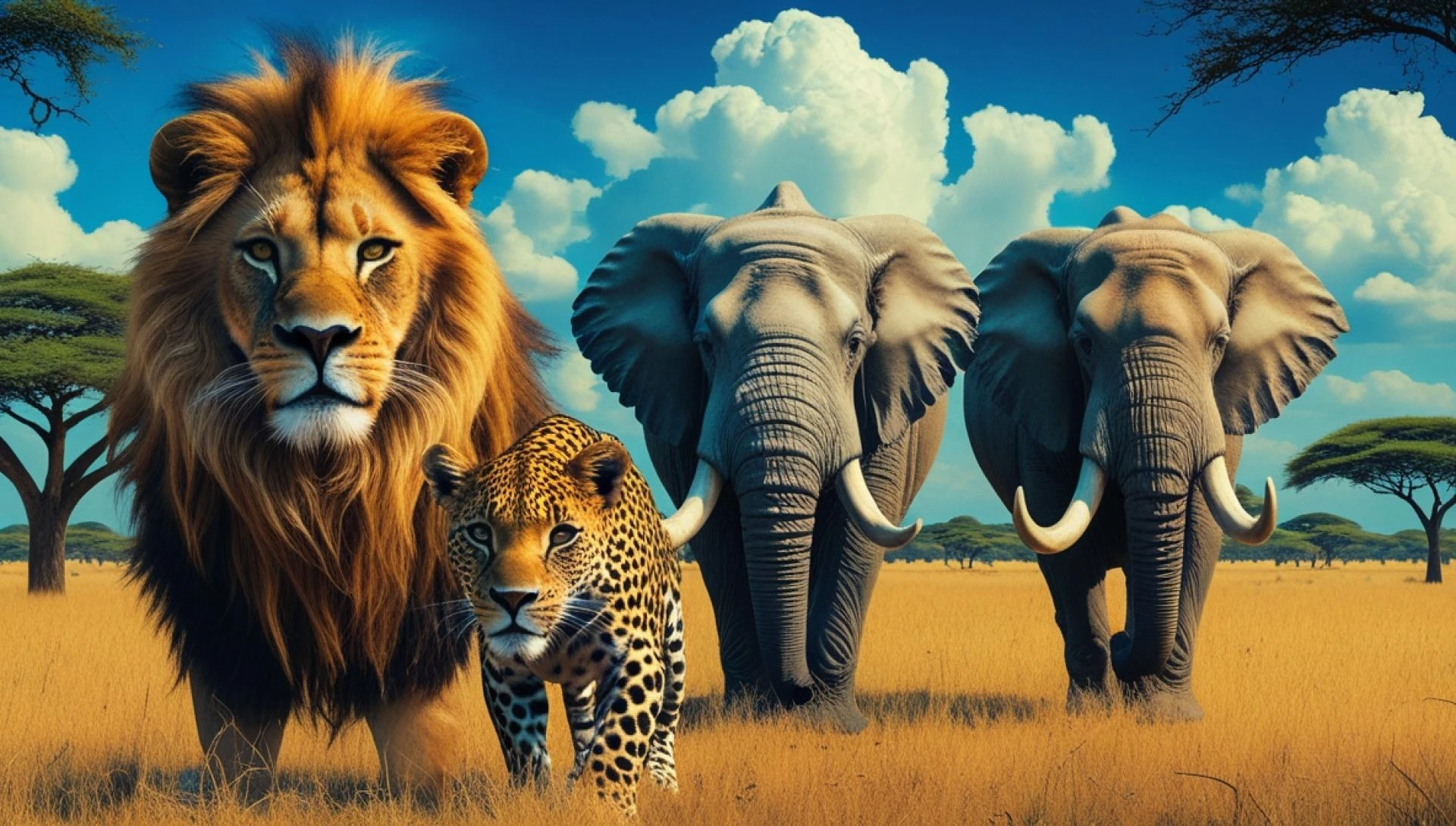

Uganda has earned a reputation as one of Africa’s premier wildlife destinations, attracting travelers from around the world. The country’s rich ecosystems, ranging from dense forests to open savannahs, host a diverse array of animals, including the celebrated Big Five: lions, leopards, elephants, buffaloes, and rhinoceroses. Wildlife enthusiasts, photographers, and nature lovers come to Uganda to witness these magnificent creatures in their natural habitats.
Abundant Wildlife and Biodiversity
Uganda’s landscape offers ideal conditions for a variety of species. National parks like Queen Elizabeth, Murchison Falls, and Kidepo Valley provide expansive savannahs, riverine forests, and wetlands that support the Big Five. Lions patrol the grasslands, elephants move in herds across open plains, and leopards quietly navigate the forest canopy. The presence of these animals in accessible locations makes Uganda particularly famous among safari destinations.
The country’s commitment to conservation strengthens its reputation. Uganda has implemented anti-poaching measures, wildlife corridors, and habitat protection programs that allow the Big Five to thrive. These efforts have helped maintain stable populations of elephants and rhinos, ensuring that tourists have the chance to see these species up close.
Unique Safari Experiences
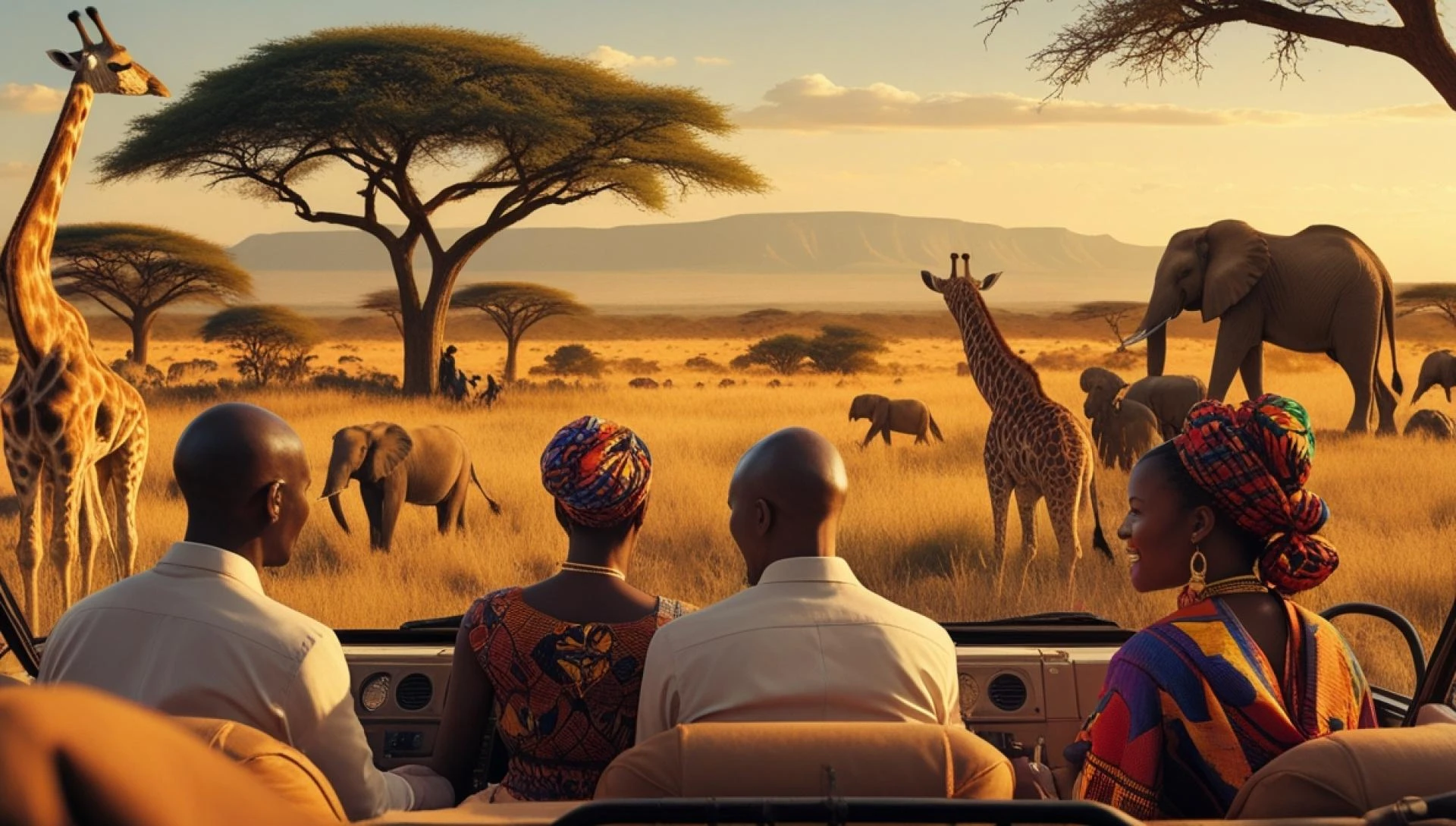
Uganda offers a range of safari experiences that differ from other African countries. Tourists can observe lions hunting at dawn, elephants bathing in rivers, and buffaloes grazing in large herds. The variety of habitats allows visitors to witness animal behavior that appears both natural and dynamic.
Big Five safaris in Uganda often combine game drives with boat safaris. For example, the Nile River and Kazinga Channel provide opportunities to view elephants and hippos from a water perspective. This combination of land and water safaris gives Uganda a distinct advantage over destinations that focus solely on terrestrial wildlife observation.
Accessibility and Infrastructure
Uganda has developed infrastructure that supports safari tourism without compromising the natural environment. Well-maintained roads, lodges, and guided tour services allow travelers to reach major parks efficiently. Experienced guides enhance the safari experience by sharing insights into animal behavior, migration patterns, and park history.
Operators like Big Five Tours and Safaris provide structured itineraries, ensuring visitors witness the Big Five while benefiting from local knowledge. Their guides track animal movements and choose optimal viewing times, maximizing opportunities for observation and photography. The availability of such professional services contributes to Uganda’s standing as a top safari destination.
Conservation Success Stories
Uganda’s fame for its Big Five safari stems not only from tourism but also from successful conservation efforts. Rhino populations, once critically low, have begun to recover thanks to intensive protection programs. Elephant herds have increased in size due to anti-poaching enforcement and community-based initiatives. These success stories attract international attention and reinforce Uganda’s image as a responsible wildlife destination.
Visitors witness the impact of these efforts firsthand. By visiting national parks and observing wildlife in protected areas, travelers contribute indirectly to conservation funding. Local communities also benefit through employment opportunities and tourism-related businesses, creating a sustainable model that supports both people and wildlife.
Seasonal Advantages
Uganda offers year-round safari opportunities, but certain periods provide enhanced wildlife visibility. Dry months from June to September allow animals to gather near water sources, making sightings of the Big Five more frequent. Wet months offer lush scenery, newborn animals, and active predator-prey interactions, enriching the safari experience.
Professional operators schedule tours according to these seasonal patterns. With guidance from services like Big Five Tours and Safaris, tourists can plan trips that maximize their chances of seeing specific animals. The ability to combine local expertise with favorable timing strengthens Uganda’s reputation for reliable Big Five sightings.
Conclusion
Uganda’s fame for its Big Five safari rests on a combination of abundant wildlife, diverse habitats, conservation success, and professional tourism services. The country offers a safe, accessible, and immersive wildlife experience, making it a preferred destination for travelers seeking to witness Africa’s most iconic animals. From the vast savannahs of Kidepo Valley to the waterways of Queen Elizabeth National Park, Uganda delivers encounters with the Big Five that leave lasting memories.
FAQ
Q. 1: Which parks in Uganda are best for seeing the Big Five?
A: Queen Elizabeth National Park, Murchison Falls National Park, and Kidepo Valley National Park offer the most reliable sightings of lions, elephants, leopards, buffaloes, and rhinos.
Q.2 : Can I see all five animals in a single safari?
A: While sightings depend on timing and animal movement, guided tours with operators like Big Five Tours and Safaris significantly increase your chances of seeing all five species.
Q. 3: When is the best time to go on a Big Five safari in Uganda?
A: Dry months from June to September are ideal, as animals gather near water sources, providing easier viewing opportunities.
Q. 4: Are safaris in Uganda suitable for families?
A: Yes. National parks provide safe environments with well-organized tours, accommodating travelers of all ages.
Q. 5: How does tourism support conservation in Uganda?
A: Park fees and safari bookings contribute to anti-poaching programs, habitat protection, and local community initiatives that benefit both wildlife and people.

























Sign in to leave a comment.