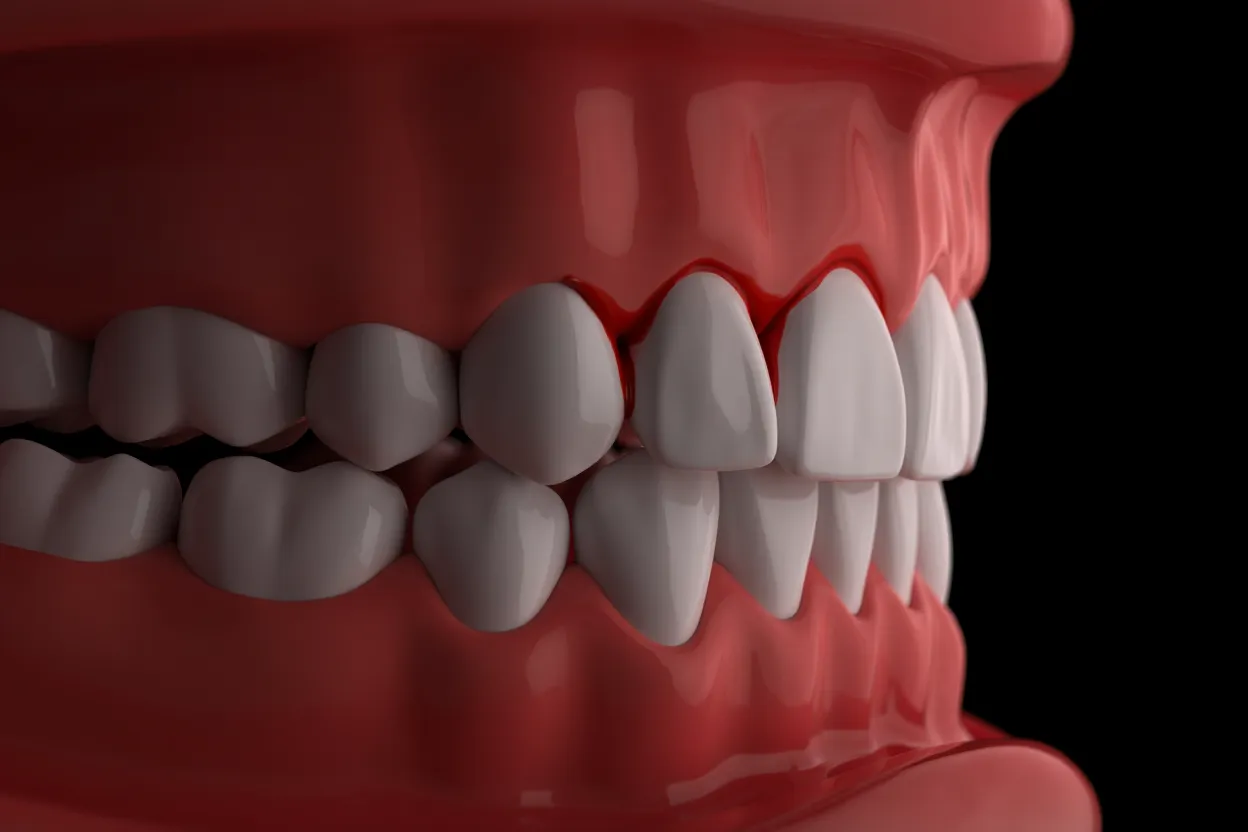

Bleeding gums are a common dental concern that many people tend to ignore, especially when it occurs occasionally during brushing or flossing. However, healthy gums should not bleed easily. Persistent bleeding can be an early warning sign of underlying dental problems that require attention.
Understanding the need for proper bleeding gums treatment is essential to prevent more serious conditions such as gum disease, infections, and even tooth loss. In many cases, bleeding gums are caused by plaque buildup along the gum line, but other factors like poor oral hygiene, vitamin deficiencies, or medical conditions can also contribute.
The good news is that bleeding gums are often reversible when addressed early. With the right care, lifestyle changes, and professional treatment, you can restore your gum health and prevent complications.
In this blog, we will explore the causes, symptoms, treatment options, and preventive measures for bleeding gums.
What Causes Bleeding Gums?
Bleeding gums can occur due to various reasons, ranging from minor issues to more serious conditions.
1. Poor Oral Hygiene
Inadequate brushing and flossing allow plaque to build up along the gum line, leading to inflammation and bleeding.
2. Gingivitis
This is the early stage of gum disease and one of the most common causes of bleeding gums.
3. Periodontitis
If gingivitis is left untreated, it can progress to periodontitis, a more severe form of gum disease.
4. Vitamin Deficiencies
Lack of essential nutrients, especially vitamin C and vitamin K, can affect gum health.
5. Hormonal Changes
Hormonal fluctuations during pregnancy, menstruation, or menopause can make gums more sensitive and prone to bleeding.
6. Medications
Certain medications, such as blood thinners, can increase the likelihood of bleeding gums.
Symptoms of Bleeding Gums
In addition to bleeding, you may notice other signs such as:
- Red or swollen gums
- Tenderness in the gums
- Persistent bad breath
- Receding gums
- Loose teeth (in advanced cases)
Recognizing these symptoms early can help prevent serious complications.
Bleeding Gums Treatment Options
The treatment for bleeding gums depends on the underlying cause.
1. Professional Dental Cleaning
Removing plaque and tartar buildup helps reduce inflammation and restore gum health.
2. Improved Oral Hygiene
Brushing twice daily and flossing regularly are essential for preventing gum problems.
3. Antibacterial Mouthwash
Using a medicated mouthwash can help reduce bacteria and promote healing.
4. Treating Gum Disease
In more advanced cases, procedures like scaling and root planing may be required.
5. Dietary Improvements
Increasing intake of vitamins and nutrients supports healthy gums.
Home Remedies for Bleeding Gums
Along with professional care, certain home remedies can help manage mild cases.
Warm Salt Water Rinse
Rinsing with salt water helps reduce inflammation and kill bacteria.
Use a Soft Toothbrush
A soft-bristled toothbrush prevents further irritation of the gums.
Maintain Proper Hydration
Drinking enough water helps maintain saliva flow and oral health.
Avoid Tobacco Products
Smoking can worsen gum problems and delay healing.
How to Prevent Bleeding Gums
Preventing bleeding gums involves maintaining good oral hygiene and healthy habits.
Brush Gently Twice Daily
Use proper brushing techniques to avoid damaging the gums.
Floss Daily
Flossing removes plaque from areas that a toothbrush cannot reach.
Eat a Balanced Diet
Include foods rich in vitamins and minerals to support gum health.
Visit the Dentist Regularly
Routine checkups help detect and treat gum issues early.
Importance of Professional Dental Care
While home care is important, persistent bleeding gums require professional evaluation. Dentists can identify the root cause and provide effective treatment to prevent further complications.
If you are experiencing gum issues, you can explore expert care at the best dental clinic in Thalassery. Professional consultation and advanced dental treatments can help restore gum health and improve overall oral hygiene.
When Should You See a Dentist?
You should consult a dentist if:
- Bleeding persists for more than a few days
- Gums are swollen or painful
- There is persistent bad breath
- You notice gum recession
Early treatment can prevent serious gum disease.
Frequently Asked Questions
Is it normal for gums to bleed while brushing?
Occasional bleeding may occur, but persistent bleeding is not normal and should be checked.
Can bleeding gums heal on their own?
Mild cases may improve with better oral hygiene, but underlying issues may require treatment.
Are bleeding gums a sign of gum disease?
Yes. Bleeding gums are often an early sign of gum disease.
Can diet affect gum health?
Yes. A lack of essential nutrients can weaken gums.
How long does it take to treat bleeding gums?
It depends on the cause and severity of the condition.
Conclusion
Bleeding gums are often an early warning sign of dental problems that should not be ignored. Understanding the causes and seeking the right bleeding gums treatment can help prevent more serious complications such as gum disease and tooth loss.
Maintaining proper oral hygiene, following a balanced diet, and visiting your dentist regularly are key steps in keeping your gums healthy.
With timely care and professional guidance, you can restore your gum health and enjoy a strong, confident smile.































Sign in to leave a comment.