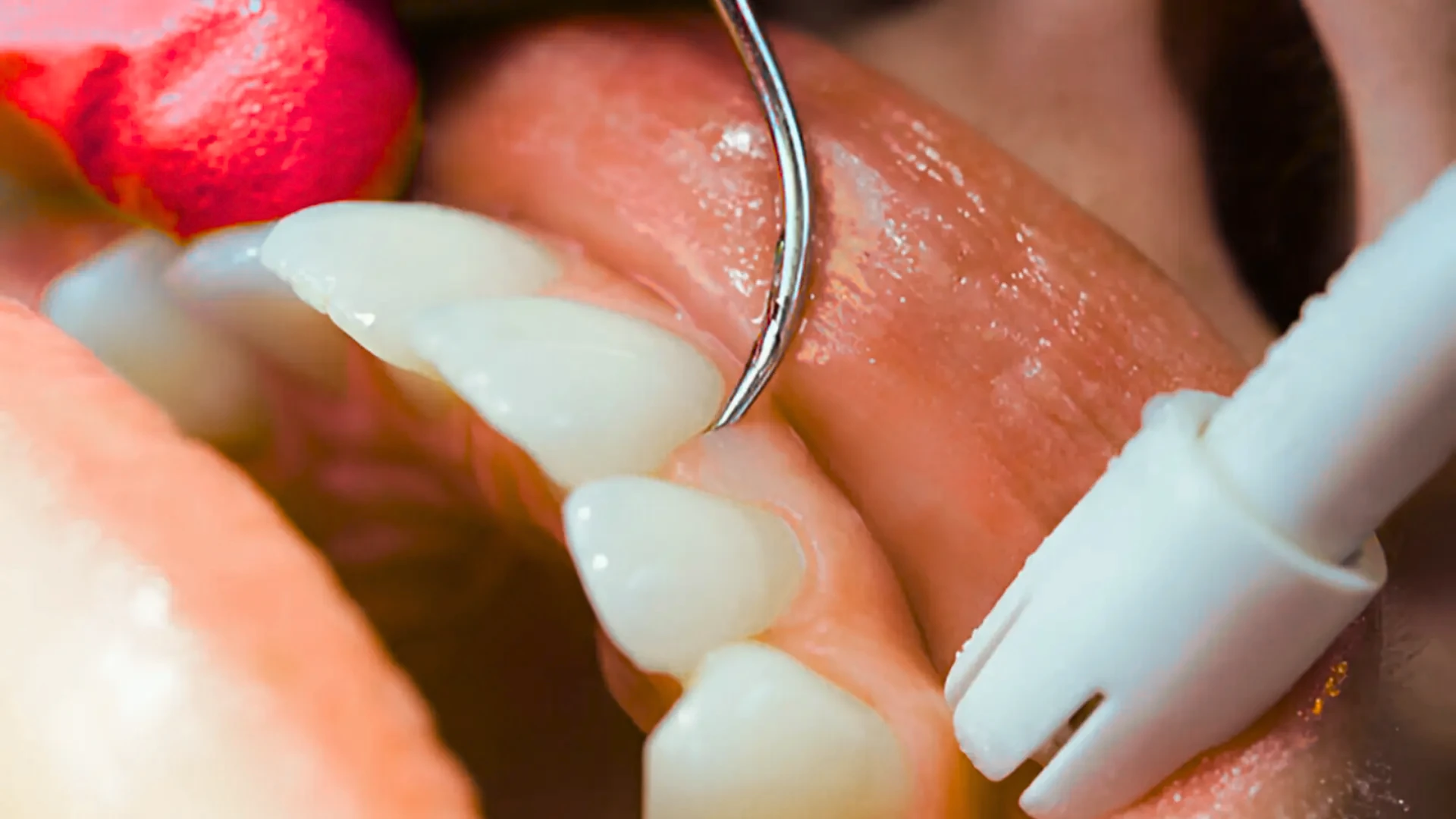

Gum health is a crucial part of overall oral hygiene, yet it is often overlooked until serious problems arise. Many people focus on keeping their teeth clean while ignoring the condition of their gums. However, unhealthy gums can lead to serious dental issues, including tooth loss, if left untreated.
Understanding the early signs of gum disease can help you take timely action and prevent long-term complications. Gum disease, also known as periodontal disease, begins with mild symptoms that are easy to ignore. Over time, it can progress into more severe stages that affect the supporting structures of the teeth.
The good news is that gum disease is preventable and treatable when detected early. Recognizing the warning signs and seeking professional care can make a significant difference in maintaining healthy gums and teeth.
In this blog, we will explore the early symptoms of gum disease, its causes, risk factors, and effective ways to prevent and treat it.
What Is Gum Disease?
Gum disease is an infection of the tissues that surround and support the teeth. It is primarily caused by the buildup of plaque — a sticky film of bacteria that forms on the teeth.
There are two main stages of gum disease:
1. Gingivitis
This is the early stage of gum disease and is usually mild and reversible. It mainly affects the gums and does not involve bone loss.
2. Periodontitis
If gingivitis is left untreated, it can progress into periodontitis. This advanced stage affects the bone and connective tissues that support the teeth, potentially leading to tooth loss.
Early Signs of Gum Disease
Recognizing the early warning signs can help you seek treatment before the condition worsens.
1. Bleeding Gums
One of the most common early signs is bleeding while brushing or flossing. Healthy gums should not bleed easily.
2. Red or Swollen Gums
Inflammation caused by bacterial infection can make the gums appear red, swollen, or tender.
3. Persistent Bad Breath
Bad breath that does not go away even after brushing may be a sign of bacterial buildup associated with gum disease.
4. Receding Gums
Gums may start to pull away from the teeth, making the teeth appear longer than usual.
5. Gum Sensitivity
You may experience discomfort or sensitivity in the gums, especially while eating or brushing.
Causes of Gum Disease
Gum disease develops due to several factors, with plaque buildup being the primary cause.
Poor Oral Hygiene
Inadequate brushing and flossing allow plaque to accumulate on teeth and gums.
Smoking and Tobacco Use
Tobacco use weakens the immune system and makes it harder for the body to fight infections.
Hormonal Changes
Hormonal fluctuations during pregnancy, menstruation, or menopause can make gums more sensitive.
Medical Conditions
Certain conditions, such as diabetes, can increase the risk of gum disease.
Poor Diet
A diet lacking essential nutrients can weaken the body’s ability to fight infections.
Risk Factors for Gum Disease
Some individuals are more likely to develop gum disease due to specific risk factors.
These include:
- Poor oral hygiene habits
- Smoking
- Diabetes
- Stress
- Genetic predisposition
- Certain medications
Understanding these risk factors can help in taking preventive measures.
How to Prevent Gum Disease
Preventing gum disease involves maintaining good oral hygiene and making healthy lifestyle choices.
Brush Twice Daily
Use fluoride toothpaste and brush your teeth for at least two minutes.
Floss Regularly
Flossing removes plaque and food particles from areas that a toothbrush cannot reach.
Use an Antibacterial Mouthwash
Mouthwash helps reduce bacteria and maintain fresh breath.
Maintain a Healthy Diet
Eating a balanced diet supports overall oral health and strengthens the immune system.
Visit the Dentist Regularly
Routine dental checkups help detect early signs of gum disease and prevent its progression.
Treatment Options for Gum Disease
The treatment depends on the stage of the disease.
Professional Dental Cleaning
In the early stages, professional cleaning can remove plaque and tartar buildup.
Scaling and Root Planing
This deep cleaning procedure removes plaque from below the gum line and smoothens tooth roots.
Medications
Dentists may prescribe antibacterial medications to control infection.
Surgical Treatments
In advanced cases, surgical procedures may be required to restore gum health.
Importance of Professional Dental Care
Early diagnosis and professional care are essential for managing gum disease effectively. Dentists can identify signs that may not be visible to patients and recommend appropriate treatment.
If you are looking for expert dental care, you can explore services offered by the best dental clinic in Thalassery. Professional consultations and advanced dental care help maintain healthy gums and prevent long-term complications.
When Should You See a Dentist?
You should visit a dentist if you notice:
- Bleeding gums
- Persistent bad breath
- Gum swelling or redness
- Receding gums
- Loose teeth
Early intervention can prevent the condition from worsening.
Frequently Asked Questions
Can gum disease be reversed?
Yes, gingivitis (early stage) can be reversed with proper oral hygiene and professional care.
Is gum disease painful?
In early stages, it may not cause pain, which is why it often goes unnoticed.
Can gum disease cause tooth loss?
Yes, advanced gum disease can damage the supporting structures of teeth and lead to tooth loss.
How long does it take to treat gum disease?
Treatment duration depends on the severity of the condition.
Is gum disease common?
Yes, it is one of the most common oral health issues worldwide.
Conclusion
Gum disease is a common but preventable dental condition that can lead to serious complications if ignored. Recognizing the early signs — such as bleeding gums, bad breath, and gum inflammation — is the first step toward protecting your oral health.
Maintaining proper oral hygiene, following a healthy lifestyle, and visiting the dentist regularly can help prevent gum disease and keep your gums healthy.
If you notice any symptoms, seeking timely professional care can make a significant difference in preserving your smile and overall dental health.






























Sign in to leave a comment.