
Understanding how a web application actually gets built helps buyers set realistic expectations and spot warning signs early if a vendor's process looks incomplete. While every agency has its own terminology, most well-run projects move through the same core phases in roughly the same order.
Discovery comes first, and it is the phase most often rushed by inexperienced teams. This is where business goals, target users, technical constraints, and success metrics get documented before any design or code work begins. A thorough discovery phase produces a requirements document, a rough technical architecture, and a prioritized feature list split between what ships at launch and what comes later. Skipping or shortening this phase is one of the most common reasons projects run over budget — vague requirements lead to scope creep once development is already underway.
Design follows discovery, typically starting with wireframes that map out the structure and flow of key screens before any visual polish is applied. Once the structure is validated, the design moves into high-fidelity mockups and, ideally, a clickable prototype that stakeholders can test before a single line of production code is written. Strong UI UX designing work at this stage catches usability problems while they are still cheap to fix — reworking a flawed flow after development is far more expensive than adjusting a prototype.
Development is usually organized into sprints, with the backend and frontend often built in parallel once the API contract between them is defined. This is where architecture decisions made during discovery get implemented: database schema, authentication, third-party integrations, and the core business logic that makes the application actually function. Good teams demonstrate progress at the end of each sprint rather than disappearing for months and reappearing with a finished product — regular check-ins let you catch misunderstandings early, when they are still easy to correct.
Quality assurance runs alongside development rather than as an afterthought tacked on at the end. Automated tests catch regressions as new code is added, while manual QA validates real user flows, edge cases, and cross-browser or cross-device behavior that automated tests can miss. Security testing belongs in this phase too, particularly for applications handling sensitive data — vulnerabilities are far cheaper to fix before launch than after a breach.
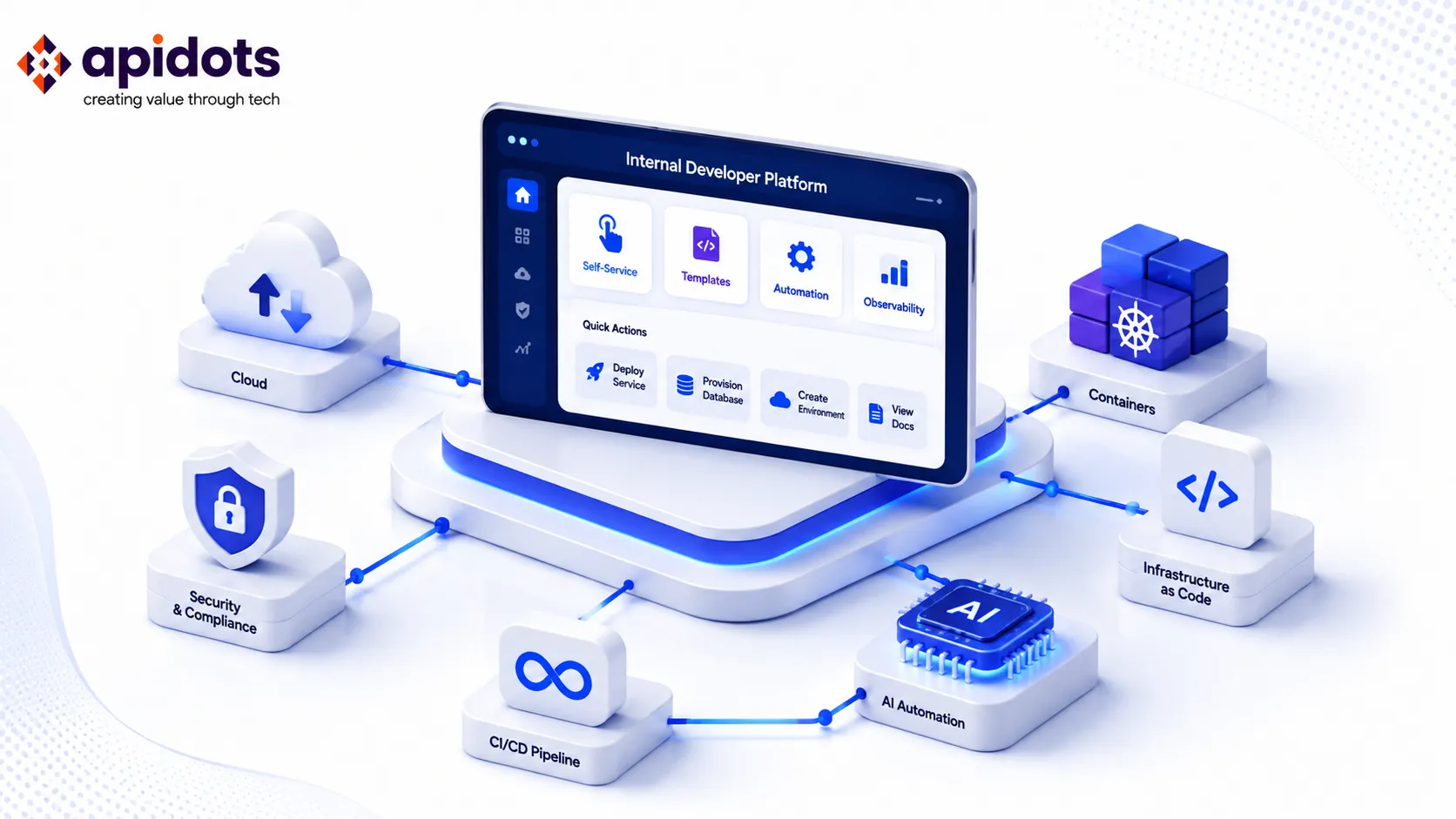
Deployment is more than just pushing code live. A proper launch plan includes a staging environment for final validation, a rollback strategy in case something breaks, monitoring and alerting so the team knows immediately if something goes wrong, and a plan for how traffic will scale if adoption exceeds expectations. Teams that also invest in solid DevOps services tend to ship more reliably because deployment, monitoring, and rollback procedures are automated rather than handled manually under pressure.
Post-launch support is the final phase, and arguably the one that determines whether the application remains valuable over time. Bug fixes, performance tuning, dependency updates, and incremental feature development continue long after the initial launch. Clarifying what this phase looks like — response times, included hours, and how new feature requests are scoped — before the project starts avoids friction later.
Documentation and knowledge transfer run through every one of these phases rather than sitting neatly inside just one of them. Architecture decisions, API contracts, environment setup instructions, and the reasoning behind non-obvious technical choices should be written down as the project progresses, not reconstructed from memory once someone asks for them months later. Teams that treat documentation as a continuous habit rather than a deliverable due at the end tend to hand off far more smoothly if the engagement changes shape — whether that means bringing maintenance in-house, switching vendors, or simply onboarding a new engineer to an existing codebase.
Sprint reviews and demos deserve more weight in this process than they typically get from clients who are new to working with a development team. Attending these check-ins, asking direct questions about what was built and why, and flagging concerns immediately rather than waiting for a "final" review catches misalignment while it is still cheap to correct. Clients who stay engaged throughout development, rather than disappearing until launch, consistently end up with a product closer to what they actually needed. Reviewing how experienced web app development companies structure each of these phases gives buyers a useful benchmark for evaluating whether a proposed process is thorough or whether important steps are being skipped to hit an aggressive timeline.
Read More: https://apidots.com/blog/top-web-app-development-companies-2026/
























Sign in to leave a comment.