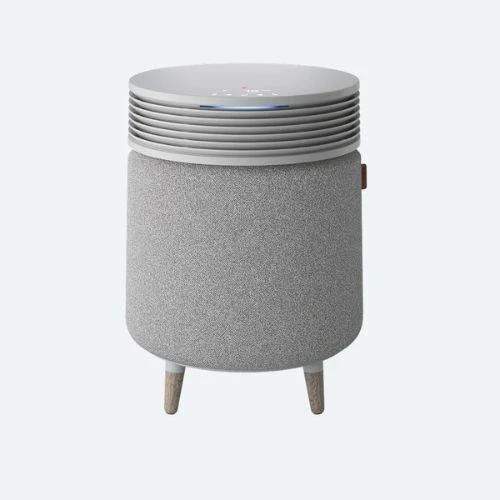

Learn how blue air filters work, which type to pick, when to replace them, how to reset the red light, and simple care tips.
If you own a Blueair purifier, the filter is the part doing the real work. blue air filters trap tiny airborne particles so they don’t keep circulating in your room. When your filter is fresh, airflow stays strong and the purifier can clean the air the way it was designed to.
Over time, though, the filter loads up with what it catches. That can mean lower airflow, weaker cleaning performance, and the purifier working harder than it needs to. In simple terms: blue air filters are like a sponge. Once the sponge is full, it can’t hold much more.
A lot of people wait until the purifier “seems weaker.” That’s usually late. Most models use an indicator light to help you replace the filter on time, so you don’t have to guess. Blueair’s own guidance commonly points to replacing filters around the 6-month mark in normal use, and sooner if your air is dirtier.
Blue air filters: Which type should you pick for your home
The fastest way to choose is to match the filter type to your main problem: particles, odors, or allergies. On Blueair’s filter collection, you’ll see options like Particle, Particle + Carbon, SmokeBlock, and AllergenBlock, plus pre-filters for some series.
Here’s how to think about blue air filters in plain language:
- Particle filter (good “daily” choice): Best when your main issue is dust, pollen, and general indoor particles. If you mostly want “cleaner air,” this is usually the baseline option.
- Particle + Carbon filter (good for kitchens and pets): This is the better pick when you want particle capture plus help with everyday smells (like cooking, pet odors, or light chemical smells).
- SmokeBlock filter (good for smoke and strong odor): If smoke is the problem (wildfire season, cigarette smoke, heavy cooking smoke), this filter type is built for that use case.
- AllergenBlock filter (good for allergy-heavy homes): If allergies are your top reason for running a purifier, this option is meant to target that concern.
If you’re stuck between two: choose based on what bothers you most day-to-day. For many homes, blue air filters that combine particle + carbon are the “covers most needs” choice because they tackle particles and common odors together.
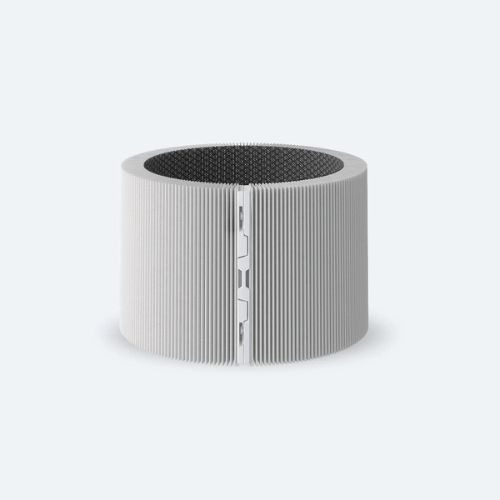
Blue air filters: Quick checklist before you buy (1 topic in bullets)
Before you hit checkout for blue air filters, take 30 seconds to do this:
- Find your purifier’s exact series/model name (example: Blue Pure Max, Blue Pure, Protect, Classic).
- Pick your filter type based on your air concern: Particle, Particle + Carbon, SmokeBlock, or AllergenBlock.
- If your unit uses a fabric pre-filter (common on Blue Pure), plan to clean that regularly so the main blue air filters don’t clog as fast.
Blue air filters: When to replace and how to reset the red light
Most people want one clear rule. Blueair commonly recommends changing the main filter about every six months, and notes you may need to replace sooner in a highly polluted environment.
Some Blue Pure Max guidance also mentions an expected range of six to nine months depending on usage and conditions.
After you swap blue air filters, the next common frustration is the red light staying on. On some models, you reset it by pressing and holding the fan speed button until the LEDs light up (around 15 seconds), then releasing.
If the red light still doesn’t reset, Blueair also describes doing a factory reset on certain models by holding the power button until LEDs blink multiple times.
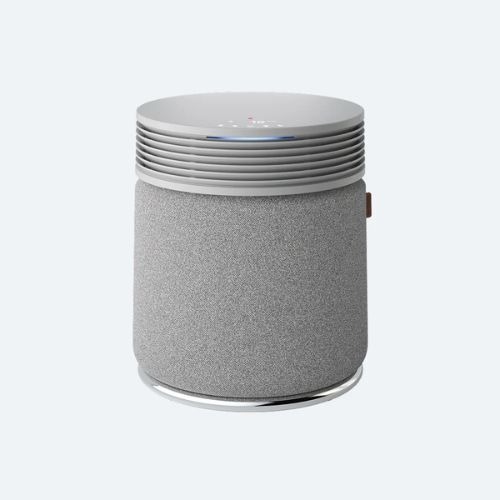
Blue air filters: Simple care tips that keep performance high
First, a big one: don’t wash the main filter. Blueair says the main filters can’t be cleaned or washed and need replacement on schedule. Washing can damage the filter media and can make performance worse.
If your unit has a fabric pre-filter (the outer textile sleeve on some Blue Pure models), that’s different. You can vacuum it often, and Blueair says it can be washed on a gentle, low-temperature cycle when it needs a deeper clean (follow the label). Keeping that pre-filter clean helps your blue air filters last better and keeps airflow steady.
Also: pay attention to what’s happening in your home. If you’re renovating, cooking heavily every day, dealing with smoke, or have pets that shed a lot, your blue air filters may load faster than “average.” In those cases, the best “signal” is usually reduced airflow or the filter indicator doing its job.
Frequently Asked Questions
Do Blueair filters need to be replaced every 6 months?
Blueair commonly recommends replacing the main filter after about six months of use, and sooner if your environment is more polluted.
Can I wash or clean Blueair filters instead of replacing them?
Blueair says the main filters cannot be cleaned or washed and should be replaced. Pre-filters (on some models) can be cleaned.
How do I reset the red filter light on a Blueair purifier?
For some models (like certain Blue Pure Max units), Blueair instructs pressing and holding the fan speed button for about 15 seconds until the LEDs light up, then releasing.
Why is my red filter light still on after I changed the filter?
Blueair notes that if the red light doesn’t reset, you may need to perform a factory reset on some models by holding the power button until the LEDs blink, then releasing.
What’s the difference between Particle, Particle + Carbon, SmokeBlock, and AllergenBlock?
Blueair’s filter listings show these types as options across compatible product series. In simple terms: Particle targets particles, Particle + Carbon adds odor support, SmokeBlock is aimed at smoke/odor concerns, and AllergenBlock is aimed at allergy concerns.
How often should I clean the pre-filter on Blue Pure models?
Blueair recommends vacuuming the fabric pre-filter as often as you’d like, and washing it on a gentle, low-temperature cycle when it needs a deeper clean (follow the label).




























Sign in to leave a comment.