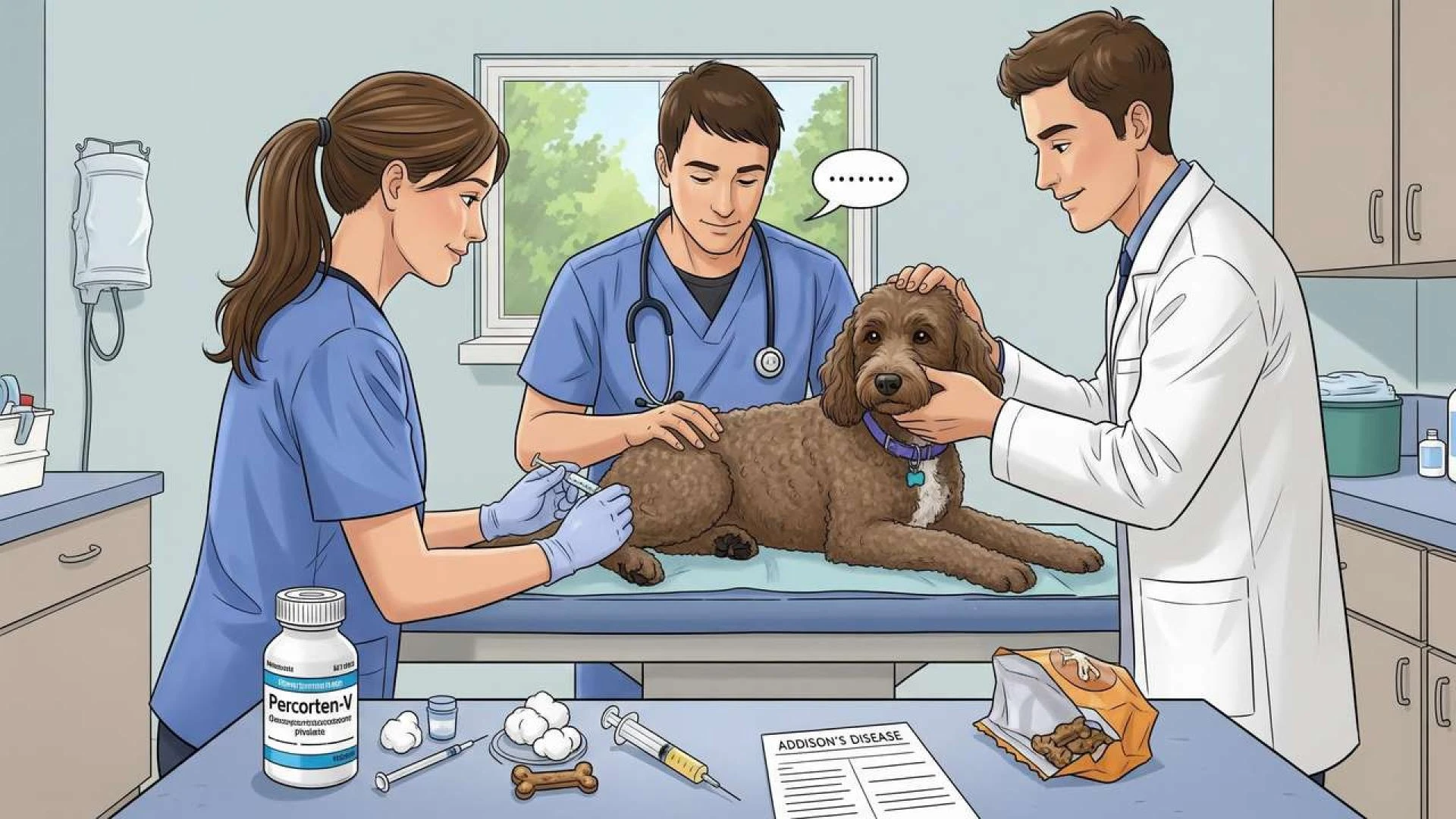

Some dogs are just born with their shorter muzzles and with a special facial feature that others somehow fall in love with. But the very same anatomy increases the difficulty in breathing. For such dogs, even the simplest tasks, such as walking, playing, or even sleeping, pose a problem.
Brachycephalic Obstructive Airway Syndrome (BOAS) is also a frequent cause of respiratory issues in these breeds. It can have a very strong impact on a dog's life and turn out to be life-threatening if not treated.
This guide covers everything from BOAS identification of initial signs to surgery, post-op care, and long-term recovery.
What Is BOAS?
BOAS, or Brachycephalic Obstructive Airway Syndrome, is a breathing problem common in short-nosed breeds. In these breeds, portions of the airway are narrower than usual; nostrils and open passages are small and constricting, and throat tissue folds block the air flow. The windpipe may be narrowed in some instances.
Each of these characteristics makes the dog more difficult to breathe when it is warm, when it moves, or when it becomes stressed. Symptoms you may see are hoarse snoring, noisy breathing, tiring more quickly, gagging or coughing up food, and, in extreme cases, collapse.
Why Early Diagnosis of BOAS in Dogs Matters
Diagnosis starts with a thorough history and physical exam. Your veterinarian will hear breath sounds, ask about the exercise and sleeping habits of your dog, and examine the airway. Further diagnostic testing, such as X-rays, CT scans, or airway evaluation with sedation, may be employed.
Early diagnosis is essential. Puppies under 2 years old have optimal results. Delay can lead to chronic problems like collapse of the larynx, which reduces prognosis.
What BOAS Surgery in Dogs Involves
BOAS dog surgery aims to clear the airway by addressing structural issues. This may include:
- Widening the nostrils
- Trimming the soft palate
- Removing everted laryngeal saccules
- A permanent tracheostomy
BOAS Surgery Recovery and Aftercare
Monitoring after surgery is done in an ICU for 24-48 hours to observe for swelling, inflammation, or blockage of the airway. Temporary tracheostomy may be required in some dogs until healing makes normal breathing possible.
At home, keep dogs quiet and calm for approximately two weeks. Have no strenuous exercise, heat, or excitement. Mild sedatives may be given to excitable dogs. Keep them quiet and use a harness rather than a collar.
In the long term, maintain a healthy weight, monitor breathing, and undergo regular rechecks. Revision surgery can be required in older dogs or those with severe disease.
While pet owners focus on care and recovery, veterinary professionals can explore advanced CE resources from Vet and Tech that dive into diagnosis, surgical techniques, and post-op management.
Related Resources in BOAS Management for Vet Techs
Understanding BOAS and its management goes beyond textbooks; real-world veterinary experience makes the difference. Vet And Tech has explored this topic in depth through their continuing education sessions. It includes, Assessment of Airway Problems in Brachycephalics, and Procedures for Airway Problems in Brachycephalic Breeds, take veterinarians through proper diagnosis, surgical decision-making, and technique choice.
Following on from that, they held a recent CE webinar on Evaluating Brachycephalic Obstructive Airway Syndrome (BOAS) Dogs in General Practice. It covers case-in-practice assessment, referral to BOAS surgery timing, and how to optimize recovery within a clinic setting.
These webinar sessions provide veterinarians with evidence-based guidance, from identifying early warning signs to selecting the optimal BOAS dog surgery and aftercare options, to optimize outcomes for brachycephalic patients.
BOAS Dog's Surgery Cost: What to Expect
The price of BOAS surgery will depend significantly on the procedure type, clinic, and where you live. On average, you should be prepared to pay:
- Approximately $2,000 for a simple, complete BOAS surgery.
- $2,500 to $3,500 for corrective surgery.
- $3,000 to $5,000 for multiple interventions in one procedure.
- $780 to $7,800 for more complex or specialist procedures, depending on the type of surgical tools involved and the nature of the case.
The overall cost depends on factors like the type of surgery your dog requires, the nature of the anesthetic administered, any preoperative diagnostic work, the duration of stay in the hospital, and the location of the clinic.
Conclusion
BOAS is a life-threatening condition with the capacity to exert significant effects on the comfort, well-being, and survival of a dog. Early detection of warning signs, proper diagnosis, and surgery can be the difference between life and death for concerned companions.
With proper care pre-operatively and post-operatively, most dogs continue to breathe more easily, exercise more effectively, and lead a better quality of life. For practice staff and veterinary surgeons, it is crucial to stay current with the optimum BOAS diagnosis and treatment methods.
FAQs
What is BOAS in dogs?
BOAS (Brachycephalic Obstructive Airway Syndrome) is a collection of airway abnormalities prevalent in flat-faced dogs that complicate breathing.
What are the warning signs of BOAS?
Warning signs are snoring, noisy breathing, intolerance to exercise, overheating, sleep disturbance, regurgitation, and occasionally collapse.
How is BOAS in dogs diagnosed?
Diagnosis is from history, physical examination, and imaging. Anesthetic airway inspection often yields a definitive diagnosis.
What are the common BOAS treatment practices in dogs?
Common practices are nares widening, soft palate reduction, and saccule removal. Advanced cases will require tracheostomy.
How expensive is a BOAS dog surgery?
Approximate costs are $2,000 to $5,000, although costs can vary considerably depending on the extent and method.
How to Plan for BOAS Dog Surgery Recovery?
Plan for 1-2 days of hospital stay followed by 2 weeks of recovery at home. Keep the dog quiet and calm, and harness-walk at least for 2-3 weeks.
What is the long-term BOAS prognosis?
Early intervention allows young dogs to thrive. Chronic disease, particularly with laryngeal collapse, decreases prognosis and may necessitate more intervention.






















Sign in to leave a comment.