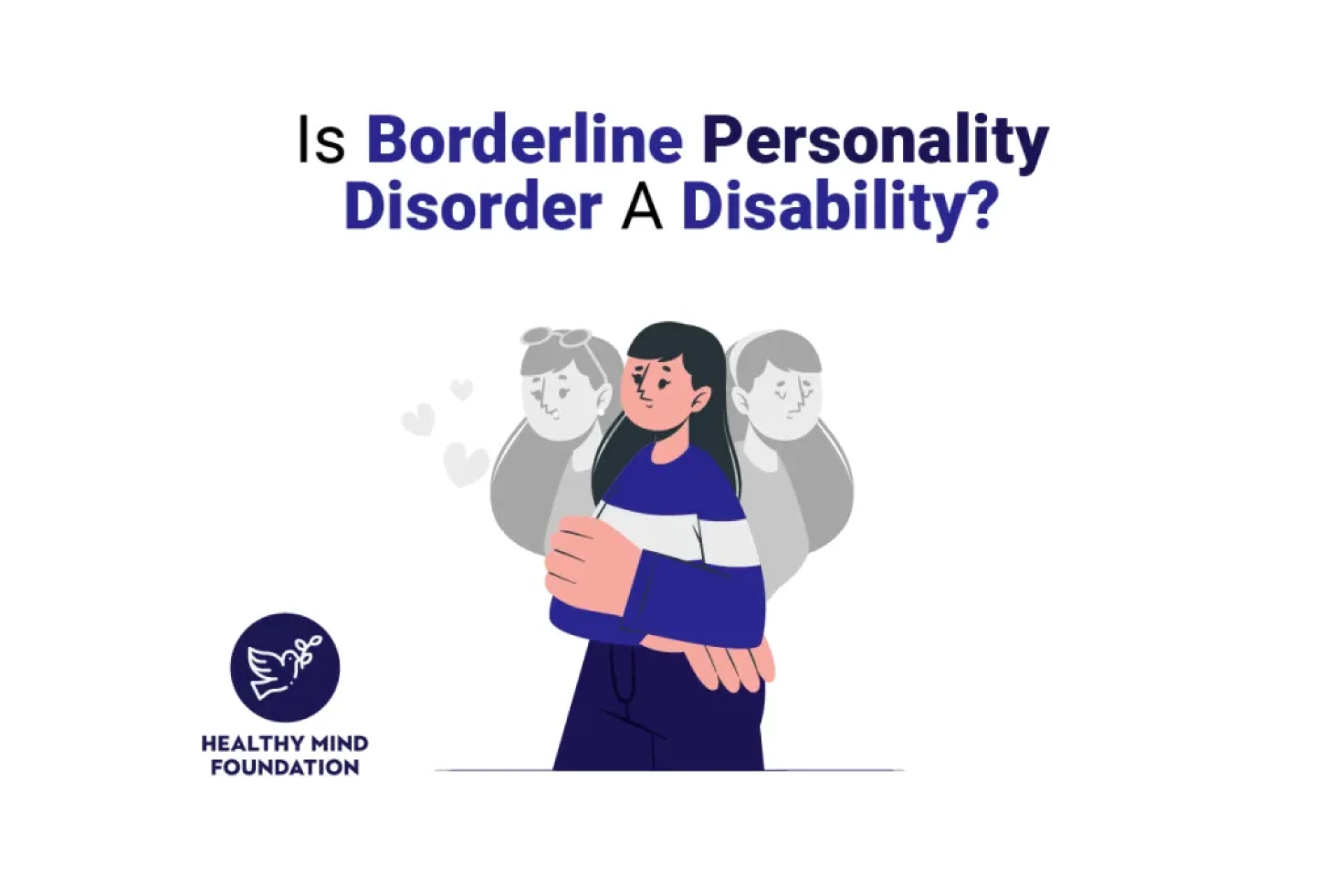

Borderline Personality Disorder: Examining its Disability Implications
When delving into the realm of mental health, the contentious debate surrounding the classification of conditions as disabilities often arises. One such condition that sparks significant discussion is borderline personality disorder (BPD), also known as BPD, a condition characterized by profound complexities.
Individuals grappling with BPD encounter a myriad of challenges, ranging from volatile emotional states to tumultuous interpersonal relationships and profound struggles with self-image. These symptoms can severely disrupt various aspects of life, impeding one's ability to navigate daily tasks and relationships effectively.
Understanding Disability
Disability, as defined by various organizations, encompasses both physical and mental impairments that substantially hinder an individual's ability to engage in essential life activities. Within this framework, conditions like BPD warrant careful examination due to their far-reaching effects on individuals' functioning and well-being.
Unpacking Borderline Personality Disorder
Borderline Personality Disorder manifests as a mental health condition characterized by difficulties in managing emotions and thoughts. Individuals with BPD often grapple with impulsive behaviors and encounter challenges in forming and maintaining stable relationships. The intensity of emotions experienced can fluctuate rapidly, presenting significant hurdles in daily life.
Exploring BPD Symptoms
The symptoms associated with BPD are diverse and can vary in severity among individuals. From intense emotional fluctuations to struggles with maintaining composure in solitude, individuals with BPD may also exhibit impulsive behaviors such as reckless spending or substance abuse. Persistent feelings of abandonment and negative self-image further compound the challenges faced by those with BPD.
Navigating BPD Subtypes
Within the realm of BPD, distinct subtypes offer insight into the nuanced nature of this condition. From the Discouraged Borderline, characterized by depressive tendencies and fear of abandonment, to the Impulsive Borderline, prone to thrill-seeking behaviors, each subtype presents unique challenges and manifestations.
Assessing BPD Disability Status
Determining whether BPD qualifies as a disability is a multifaceted endeavor influenced by personal, legal, and societal factors. While medical professionals acknowledge BPD as a legitimate mental health condition, its classification as a disability varies across contexts and jurisdictions.
Legal Considerations and Disability Benefits
In certain regions, BPD may meet the legal criteria for disability, particularly when it significantly impedes an individual's ability to engage in gainful employment or perform routine tasks. Governmental agencies follow specific protocols for assessing disability claims, with stringent criteria governing eligibility for disability benefits.
Securing Disability Benefits for BPD
Obtaining disability benefits for BPD entails comprehensive documentation of the condition's impact on an individual's ability to work and function in daily life. This process often necessitates extensive medical records and professional assessments to substantiate the need for support.
Embracing Support and Treatment
For individuals navigating the challenges of BPD, seeking appropriate support and treatment is paramount. Therapeutic interventions such as Dialectical Behavior Therapy (DBT) can equip individuals with coping strategies and interpersonal skills essential for managing BPD effectively.
Advocacy and Changing Perceptions
As societal attitudes towards mental health evolve, advocacy efforts play a crucial role in raising awareness and combating stigma associated with conditions like BPD. By fostering understanding and support, we can create a more inclusive society that prioritizes the well-being of all individuals, regardless of their mental health status.
Final Reflections
In conclusion, the classification of borderline personality disorder as a disability underscores the complex interplay of factors shaping perceptions and legal frameworks. While navigating the disability landscape can be daunting, seeking support and advocating for greater awareness are pivotal steps towards fostering a more inclusive and supportive society for individuals grappling with BPD.

























Sign in to leave a comment.