
Introduction
Botox, short for Botulinum Toxin, has become a household name in the realm of cosmetic procedures. Its popularity has skyrocketed over the past few decades as more people seek non-invasive ways to combat signs of aging. In this comprehensive guide, we will delve into the world of Botox Abu Dhabi, exploring its origins, how it works, its various applications, potential side effects, and what to expect during a treatment session.
The Origins of Botox
Botox has a fascinating history that traces back to the early 19th century. Initially discovered in spoiled sausages by Justinus Kerner in 1820, the toxin responsible for botulism was later isolated and identified as Botulinum Toxin by Dr. Emile Pierre van Ermengem in 1897. Fast forward to the 20th century, and researchers began to recognize its potential therapeutic uses.
Medical and Cosmetic Applications
Botox found its first medical application in the treatment of strabismus (crossed eyes) in the 1960s. Since then, its use has expanded to various medical conditions, including muscle spasms, migraines, and even excessive sweating. However, it wasn't until the early 2000s that Botox gained widespread popularity as a cosmetic treatment for reducing wrinkles and fine lines.
How Botox Works
Botox works by temporarily blocking nerve signals in the muscles where it is injected. The active ingredient, Botulinum Toxin, inhibits the release of acetylcholine, a neurotransmitter responsible for muscle contractions. By preventing muscle contractions, Botox relaxes the targeted muscles, reducing the appearance of wrinkles and preventing new ones from forming.
Common Cosmetic Uses
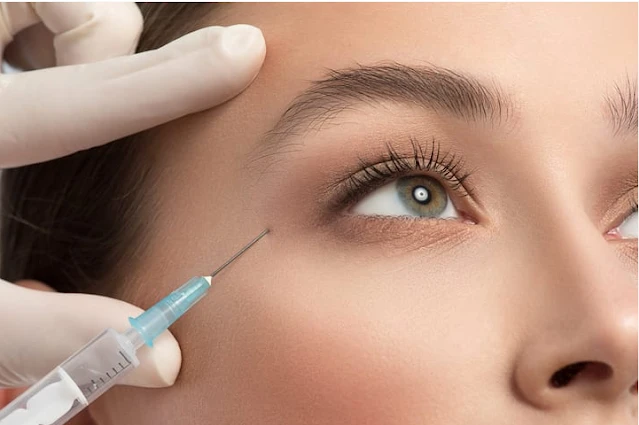
The primary cosmetic use of Botox is to soften facial wrinkles, particularly those caused by repetitive muscle movements. Common treatment areas include the forehead, frown lines between the eyebrows (glabellar lines), and crow's feet around the eyes. Botox is also employed to lift the eyebrows, reshape the jawline, and smooth neck bands.
The Treatment Process
A Botox treatment is a relatively quick and straightforward procedure typically performed in a medical office. The first step involves a consultation with a qualified healthcare professional to discuss your goals, assess your facial anatomy, and determine the appropriate treatment plan.
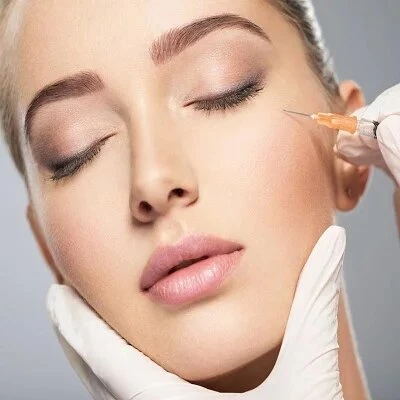
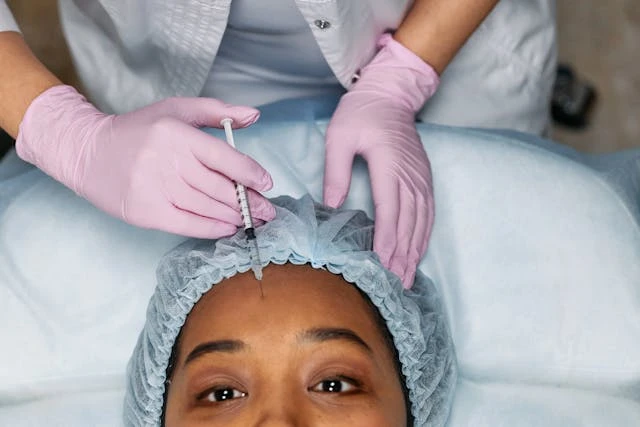
During the treatment, the targeted area is cleansed, and a topical anesthetic may be applied to minimize discomfort. Using a fine needle, the Botox solution is injected into specific muscles. The number of injections and the amount of Botox used depend on the treatment area and the individual's unique facial anatomy.
Patients often report minimal discomfort during the procedure, likening the sensation to a slight pinch. The entire process typically takes about 15 to 30 minutes, and there is no downtime, allowing individuals to resume their normal activities immediately afterward.
Post-Treatment and Results
After a Botox treatment, it's essential to follow post-care instructions provided by the healthcare professional. Avoiding strenuous exercise and refraining from rubbing or massaging the treated area is typically recommended for the first 24 hours.
Results from Botox injections are not immediate and may take a few days to become noticeable. The full effects usually manifest within one to two weeks, and the results typically last three to four months. As Botox is a temporary solution, maintenance treatments are necessary to sustain the desired outcome.
Potential Side Effects and Risks
While Botox is generally considered safe when administered by trained professionals, like any medical procedure, it comes with potential side effects. Common side effects include temporary bruising, swelling, and redness at the injection site. In rare cases, individuals may experience headaches, muscle weakness, or an allergic reaction.
Choosing a Qualified Provider
Selecting a qualified and experienced healthcare professional is crucial for a safe and effective Botox treatment. Dermatologists, plastic surgeons, and trained medical aestheticians are commonly the go-to providers for Botox injections. Ensure that the practitioner has the necessary credentials, a thorough understanding of facial anatomy, and a proven track record of successful treatments.
Botox and Beyond: Emerging Trends
As technology and cosmetic advancements continue to evolve, so does the world of Botox. Emerging trends include the use of Botox in combination with other treatments, such as dermal fillers, to achieve more comprehensive facial rejuvenation. Some practitioners are also exploring preventative Botox for individuals in their 20s and 30s to delay the onset of wrinkles.
Conclusion
Botox has revolutionized the field of cosmetic procedures, offering a non-surgical solution for individuals looking to address signs of aging. From its humble beginnings as a medical treatment for eye conditions to its widespread use in aesthetic medicine, Botox has come a long way. Understanding the basics, from its origins and mechanisms to the treatment process and potential risks, is crucial for anyone considering Botox as part of their beauty regimen. As with any cosmetic procedure, thorough research and consultation with a qualified professional are key to achieving safe and satisfying results.



Sign in to leave a comment.