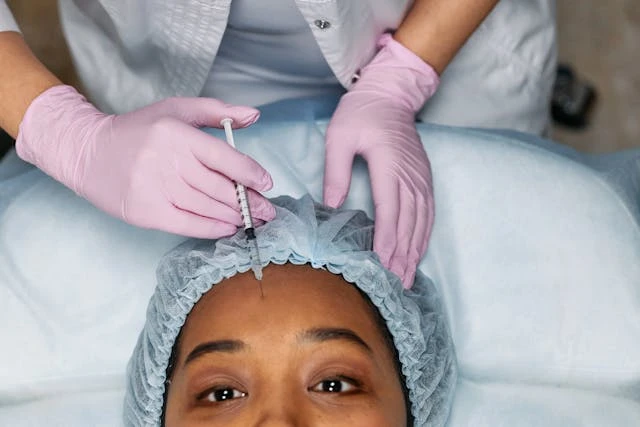
Botox has become one of the most well-known cosmetic treatments in the world. This injectable, known for its ability to smooth fine lines and wrinkles, has established itself in aesthetic medicine as a safe and effective alternative for those looking for a youthful, refreshed appearance. The rise in demand for non-surgical aesthetic procedures has only increased their popularity, making them a prominent fixture in dermatology and medical spas across the country.
Ideal Candidates for Botox
Botox works for a wide spectrum of people, but not everyone is a good candidate. The finest outcomes are frequently seen in those with dynamic wrinkles, which are caused by recurrent muscle movements. People in their late twenties to early forties frequently use Botox to decrease the creation of fine lines, while those who already have wrinkles can use it to soften their look. Botox is not helpful for wrinkles produced by sun exposure or gravity, which require alternative therapies. Individuals with certain medical disorders, allergies to the chemicals, or who are pregnant or breastfeeding should generally avoid Botox. A full evaluation by a competent practitioner is required to establish if the therapy is appropriate for the individual's health situation and cosmetic goals. Candidates should also have modest expectations and understand that Botox enhances rather than transforms their appearance.
Safety and Side Effects
Botox has undergone thorough testing and is FDA-approved for cosmetic and medicinal use. When carried out by a qualified and competent injector, it is regarded as extremely safe. However, like with any medical procedure, there are potential risks and adverse effects. Most adverse effects are modest and transient, such as bruising, swelling, headache, or slight eyelid drooping, which usually resolve within a few days to a week. Rare but catastrophic consequences might develop if the toxin spreads outside of the intended location, underscoring the significance of selecting a trained physician. Proper dose and injection techniques are crucial for reducing dangers. Patients should report all drugs, supplements, and medical conditions before the surgery to avoid any negative reactions. Following aftercare instructions, such as not massaging the area or lying down for a few hours, might also lessen the likelihood of negative consequences.
Longevity and Maintenance
Botox's effects are transient, lasting between three and six months until muscular function gradually returns. Lines and wrinkles can emerge after the therapy wears off, but they usually appear less severe because the muscles have been relaxed for a while. Maintaining results normally requires two to three touch-up treatments per year. Some people discover that they can go longer between sessions as their muscles learn to stay calm. Consistency is essential for the best results, but excessive treatment should be avoided to maintain natural facial expressions. Some people prefer to combine Botox with additional aesthetic procedures like chemical peels or dermal fillers for a more comprehensive approach to facial rejuvenation. It is also beneficial to supplement the benefits of Botox with good skincare practices such as sun protection, hydration, and the use of high-quality anti-aging treatments.
Botox for Medical Conditions
Botox is primarily known for cosmetic purposes, but it also has crucial medical applications. It is licensed to treat chronic migraines, excessive sweating (hyperhidrosis), muscle spasms, and an overactive bladder. In the case of migraines, Botox is injected around the pain fibers involved, preventing the release of neurotransmitters that communicate pain. It treats hyperhidrosis by temporarily inhibiting the neurons that trigger sweat glands, providing comfort to patients who suffer from uncontrolled sweating. Botox can also be used to treat neurological diseases such as cervical dystonia and blepharospasm, reducing muscle contractions and improving quality of life. These applications illustrate Botox's flexibility as a therapeutic beyond cosmetics.
Finding a Reliable Provider
Choosing the correct physician is critical to a safe and successful Botox treatment. The injector's expertise and knowledge have a considerable impact on the quality of the outcomes. Dermatologists, plastic surgeons, and certified nurse practitioners who have had advanced training in cosmetic injectables are frequently the most dependable options. A good practitioner will conduct a thorough consultation, explain the procedure in full, and tailor treatment to each individual's needs. The environment should be professional, clean, and well-equipped. You can get Botox in Frisco, Texas or somewhere near you from highly skilled professionals who can provide personalized care, ensuring safety and satisfaction. Making an informed decision helps tremendously in achieving natural-looking, pleasant results.
Conclusion
Botox has changed the landscape of aesthetic and medical treatments by providing a safe, non-invasive option for those looking to make small but significant changes to their looks. Its ability to temporarily relax facial muscles and smooth out expression lines has made it a popular choice for both first-time users and those with prior cosmetic enhancement experience. Understanding how Botox works, who it is for, and what to expect from the procedure enables people to make more informed decisions about incorporating it into their beauty or wellness routine. Botox's prospects expand as technology and skill progress, reaching beyond attractiveness to therapeutic treatment for a variety of medical ailments.

















Sign in to leave a comment.