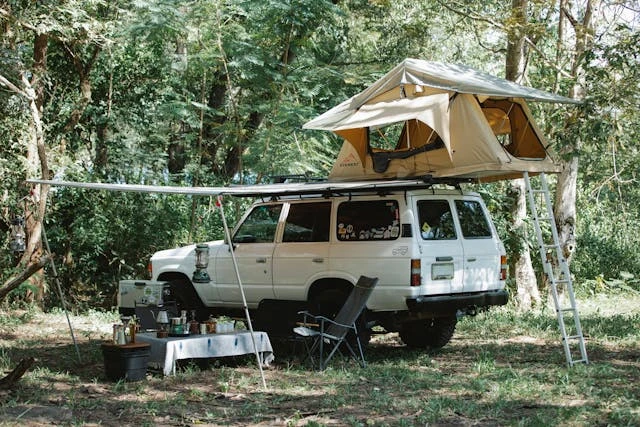
Combining adventure, travel, and self-reliance, overlanding allows you to see far-off sites in a vehicle meant for the journey. Whether your camping is across deserts or in the woods, the experience counts more than the site. Although starting might be intimidating, with some preparation, you will be on the road with confidence. This page walks through five crucial actions to start your overlanding journey.
Select the Correct Transportation Vehicle
Choose a vehicle built for overlanding. For rough ground, a four-wheel-drive truck, SUV, or van performs well. Make sure its ground clearance allows for uneven terrain or rocks. See whether it can transport your food supplies or tents, or other items. You do not require a brand-new model; secondhand cars may be reasonably adjusted. For more grip, add all-terrain tires. Think about additional storage on a roof rack. Install a dependable battery to run equipment. Short journeys can help you find the boundaries of your car. Keep it routinely checked for fluids, brakes, and engine. If you have never heard of overlanding, stick to standard cars before major improvements. Durable research models like Toyotas or Jeeps. Join internet forums offering automotive assistance from seasoned overlanders. A well-selected car keeps you secure and comfortable, therefore enabling a seamless journey across any terrain.
Plot Your Travel Route Wisely
Plot your trip before you go. Research paths using overlanding tools or guidebooks. Search for paths commensurate with your vehicle's capacity and degree of experience. Look for potentially problematic road conditions like sand or mud. Use GPS devices meant for off-road travel. Download offline maps; cell service may be erratic. Along the trip, note rest spots, petrol stations, or campgrounds. Consult weather predictions to steer clear of storms or too strong heat. For safety, show a buddy your itinerary. Look up licenses; certain places call for them for entrance or camping. To boost confidence, start with shorter, novice-friendly paths. If you want to camp far away, scout water supplies. Take a backup paper map. By means of route planning, you may prevent being lost or caught, therefore assuring you enjoy the experience and surroundings free from needless worry.
Pack Required Tools
Bring tools to be self-sufficient and safe. For camping, pack a tent, sleeping bag, and portable stove. Along with extra for an emergency, pack enough food and drink for your journey. Add a first-aid kit for little injuries. Take additional batteries, a torch, and a multi-tool. To become unstuck, include recovery tools such as a tow strap or traction mat. A portable solar charger keeps gadgets running. Add cozy clothes and rain gear for shifting seasons. On difficult roads, secure everything to stop shifting. Store electronics or clothing in waterproof bags. See local regulations; some regions forbid open flames. In places without cell coverage, a long-range radio is invaluable. Create a list to help you not forget the basics. Like preparing your tent before you go, test the equipment. Smart packing helps you to be ready for problems and lets you concentrate on the trip and enjoy overlanding free from worry.
Discover Fundamental Skills
Gain the ability to manage overlanding difficulties. On simple courses, practice off-road driving to perfect slow-down tactics. Get good at jump-starting a battery or changing a tire. Know how to operate rescue equipment like a winch properly. Use a compass or follow a basic navigation course to consult maps. Know how fast you could put up a tent, among other things. If cooking outside, learn fire safety. Come to see landscape dangers include deep ruts or loose rocks. Review fundamental first aid for sprains and wounds. Join an overlanding group to grow by means of others' knowledge. See web guides for automobile maintenance advice. If you are just starting and wondering “what is overlanding,” consider self-reliant travel to far-off locations where the trip itself is the main objective. Start with little excursions to boost self-esteem. Share abilities to help others travel light-weight. These skills enable you to remain cool under duress, therefore ensuring the safety and enjoyment of your trip wherever the route winds.
Respected Communities and Nature
Respect regional customs and help to protect the surroundings. Follow well-known paths to prevent damaging species or vegetation. To maintain cleanliness in spaces, pack away all garbage, including food waste. Minimize your effect by using approved campgrounds. Steer clear of river driving as it disturbs ecosystems. Use "Leave No Trace" guidelines and leave branches or pebbles unaltered. To prevent upsetting other campers or animals, be quiet if you are passing through rural regions, and research regional customs. Before visiting private property or holy places, get permission. Help small businesses by purchasing goods from neighborhood companies. See fire restrictions to stop wildfires. See trash; pick it up to help preserve paths. Share nice routes with cyclists or hikers. Learn about the local animals to prevent problems. Respecting the environment and communities guarantees overlanding stays viable, therefore safeguarding the beauty and access available to future travelers.
Conclusion
Beginning from the appropriate stages makes beginning an exploration trip overland simpler. Select a dependable automobile to get you over tough ground. Plot your path to remain fit and ready. Pack basic tools for comfort and crisis. Acquire essential skills to face obstacles confidently. Respect communities and the environment to maintain perfect paths.





























Sign in to leave a comment.