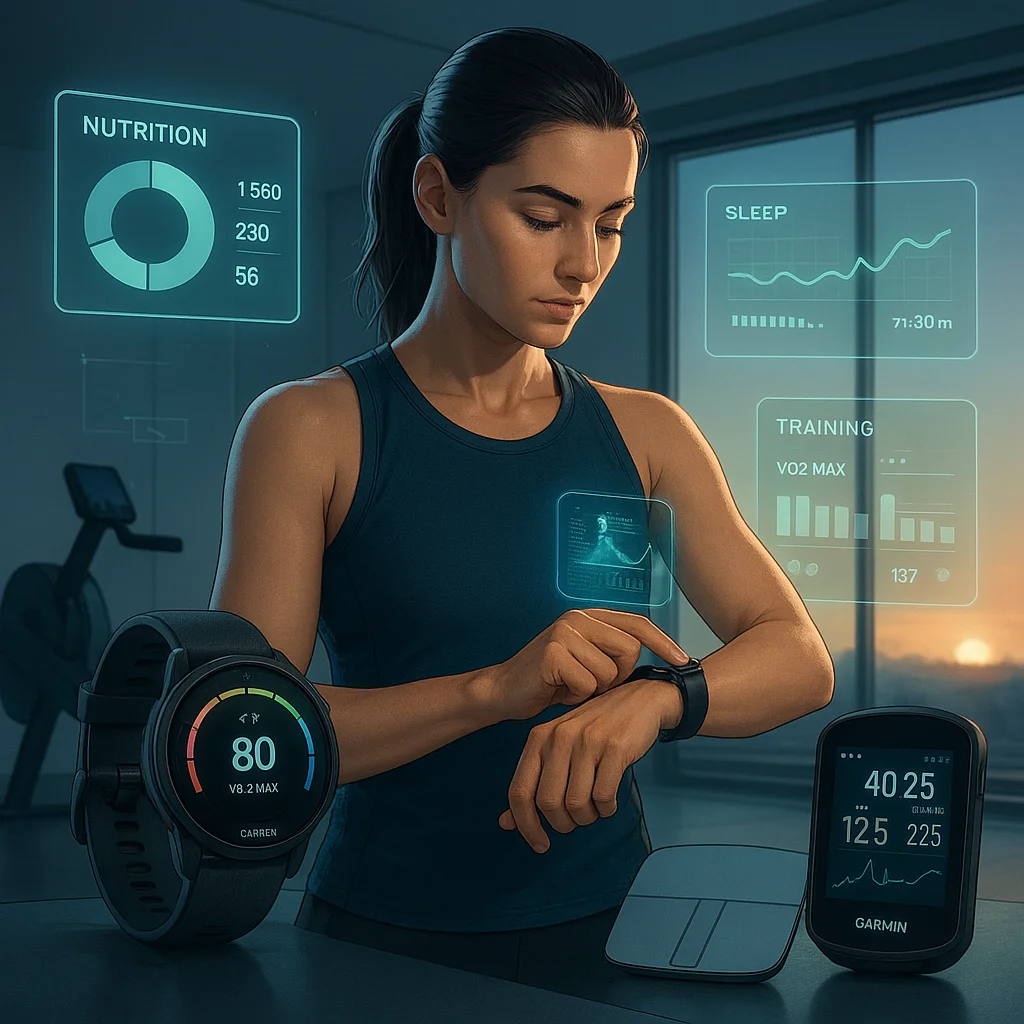

Behind the Wrist: A New Era of Garmin Training Features
Imagine standing at the intersection of fitness, nutrition, and lifestyle health, with a device on your wrist that not only tracks your run or bike ride but also learns what you eat, how you sleep, and even how your daily habits influence your training. That’s the promise Garmin’s 2026 update brings. The latest generation of Garmin wearables integrates nutrition tracking, lifestyle logging, and more advanced training metrics, marking a profound shift beyond just step counts and heart rate monitoring.
Why does this matter? Because as athletes and casual fitness enthusiasts alike seek more holistic health insights, the technology must evolve from simple trackers to intelligent companions. Garmin’s new features aim to fill this gap, but how well do they work? And what can users realistically expect? The answers lie in a deeper exploration of the technology’s evolution, current capabilities, and expert evaluations.
“Garmin’s 2026 features blur the lines between fitness tracking and lifestyle management, signaling a new chapter in wearable tech.” — Wired
From Pedometers to Personal Health Assistants: The Evolution
Garmin’s journey from GPS navigation to comprehensive health tracking is a story of relentless innovation. Initially, Garmin devices focused on outdoor navigation and simple activity counting. Over the past decade, the company steadily layered heart rate sensors, sleep tracking, and VO2 max estimations into their devices, gradually shifting the focus toward performance optimization.
Nutrition tracking, however, remained largely external—users had to rely on third-party apps or manual logs. That began changing around 2023, with preliminary integrations of food logging and hydration reminders. But the 2026 update takes this a step further, embedding nutrition and lifestyle logs directly into the Garmin ecosystem, allowing users to see how their eating habits, sleep patterns, stress levels, and even mood influence their training outcomes.
Contextually, this mirrors broader health tech trends. Fitbit, for instance, introduced AI-driven nutrition and mood tracking features recently, pushing the boundaries of personalized coaching (MSN). Garmin is entering a competitive space where data depth and actionable insights are king. But how does Garmin’s approach differ?
Inside Garmin’s 2026 Toolkit: Nutrition Tracking and Lifestyle Logging Explained
At the core of Garmin’s new suite is a multi-dimensional tracking system designed to capture a broad spectrum of user data. Here’s what stands out about the latest features:
- Nutrition Tracking: Users can now log meals directly via their Garmin app or compatible devices. The food database has been expanded to include over 1 million items, complete with macronutrient breakdowns, vitamins, minerals, and allergens. The system supports barcode scanning and voice input, aiming to reduce logging friction.
- Lifestyle Logging: Beyond calories, Garmin now tracks hydration, caffeine intake, sleep quality, stress levels, and even mood states. This holistic data is then cross-referenced with training intensity and recovery metrics to provide tailored recommendations.
- Training Impact Visualization: The app offers new dashboards that correlate nutrition and lifestyle factors with performance metrics, such as training load and fatigue, enabling users to see cause-effect relationships in near real-time.
- AI-Powered Coaching: Leveraging machine learning, Garmin’s system adjusts daily goals dynamically based on logged data trends. For example, if hydration is low during heavy training days, the app will suggest specific fluid intake targets and timing.
- Integration with Third-Party Apps: Garmin maintains compatibility with popular nutrition and lifestyle platforms like MyFitnessPal and Headspace, allowing seamless syncing and enriched data pools.
Yet, as Android Authority highlights, the feature isn’t without its quirks. Some users report a learning curve with manual meal entries and occasional mismatches in database items, which may confuse newcomers. But for seasoned users who take time to customize their inputs, the potential insights can be profound.
“The promise of Garmin’s nutrition tracking is huge, but the execution still feels like a work in progress for casual users.” — Android Authority
Data Speaks: Comparing Garmin’s 2026 Features with Competitors
It’s tempting to view Garmin’s update as just another incremental upgrade, but the data tells a more nuanced story. According to market research firm Statista, the global wearable fitness tracker market grew by 15% from 2024 to 2025, with a strong consumer demand for integrated health insights beyond raw activity data.
Garmin’s rivals, especially Fitbit and Apple Watch, have aggressively enhanced their health data ecosystems in recent years. Fitbit’s AI Health Coach, for example, incorporates cycle tracking, mood logging, and nutrition tools that leverage behavioral science to nudge users toward healthier habits (MSN).
However, Garmin stands out in several technical aspects:
- Superior GPS and Training Metrics: Garmin remains the leader in precise outdoor tracking and performance analytics, favored by serious athletes.
- Longer Battery Life: Garmin devices often last days or weeks longer on a single charge compared to competitors, supporting extended lifestyle tracking without frequent recharging.
- Robust Offline Functionality: Garmin’s nutrition and lifestyle features can operate with intermittent connectivity, a boon for outdoor adventurers or users in low-signal areas.
While Apple Watch offers more polished UI and a broader app ecosystem, Garmin’s new features cater to a niche that blends endurance training with comprehensive health management. The critical question is whether Garmin can smooth out usability issues to appeal beyond its core demographic.
Expert Perspectives: What Industry Voices Are Saying
Leading fitness coaches and nutritionists have weighed in on Garmin’s new capabilities. Sophia Martinez, a certified sports nutritionist, notes that seamless integration of nutrition and training data can revolutionize personalized coaching.
“When athletes can see how their protein intake or hydration levels correlate with performance metrics directly on their watch or app, it transforms guesswork into informed decision-making.” — Sophia Martinez, Sports Nutritionist
Similarly, endurance coach Liam Chen emphasizes the importance of lifestyle logging for recovery optimization.
“Tracking stress and sleep alongside training load helps athletes avoid overtraining and burnout. Garmin’s holistic approach is a step in the right direction.” — Liam Chen, Endurance Coach
Nonetheless, some experts caution that data overload can overwhelm users without clear guidance. Garmin’s AI coaching aims to mitigate this, but real-world adoption will depend on how intuitively these insights are presented.
For those starting out or transitioning from simpler fitness trackers, the extensive data can feel intimidating. Resources like the Beginners Guide to New Garmin Training Features provide valuable orientation, breaking down complex features into manageable steps.
Looking Ahead: What to Watch in Garmin’s Health Ecosystem
As we move further into 2026, several developments could shape the trajectory of Garmin’s training and lifestyle features:
- Improved AI Personalization: Expect deeper machine learning models that refine coaching recommendations based on user feedback, genetics, and even environmental factors.
- Expanded Food Database Collaborations: Partnerships with nutrition platforms and local food databases could enhance accuracy and cultural relevance of meal logging.
- Biofeedback Integration: New sensors tracking hydration levels, blood glucose, or even gut microbiome markers may soon feed data directly into Garmin’s ecosystem, enriching lifestyle insights.
- Social and Community Features: Garmin might introduce more social engagement tools, such as group challenges centered on nutrition and lifestyle goals, fostering accountability and motivation.
- Cross-Platform Health Ecosystems: Greater interoperability with health records and telemedicine platforms could position Garmin devices as integral tools in personalized healthcare management.
Users interested in maximizing these features could stay informed through ongoing updates and expert reviews. The New Garmin Training Features article offers a detailed look at the latest innovations and practical tips for adoption.
Real-World Use Cases: Garmin Training Features in Action
Consider Emma, a competitive triathlete who recently upgraded to a Garmin device with the 2026 features. By logging her meals and hydration, Emma noticed subtle correlations between her carbohydrate intake timing and race-day performance. The AI coach suggested tweaks to optimize glycogen stores, which she implemented during training cycles.
Another example is Mark, a recreational runner juggling a demanding job. Using the lifestyle logging features, he tracked stress and sleep disruptions, adjusting his training load accordingly to avoid burnout. The integration of mood tracking helped Mark communicate with his coach about mental wellness, an often overlooked but critical aspect of athletic performance.
These cases highlight the potential for Garmin’s ecosystem to support diverse user needs—from elite athletes to wellness-focused individuals. Yet success depends on users’ willingness to engage deeply with the data and Garmin’s ongoing refinement of user experience.
“Garmin’s new features are only as powerful as the user’s engagement and the platform’s ability to translate data into actionable insights.” — Industry Analyst
In conclusion, Garmin’s 2026 training update represents a bold expansion into nutrition and lifestyle domains, offering promising tools for holistic health management. While challenges remain, particularly around usability and data accuracy, the foundation is set for a richer, more integrated fitness experience. For those curious about leveraging these capabilities, exploring detailed guides and expert reviews on WriteUpCafe can provide essential pathways to mastery.




























Sign in to leave a comment.