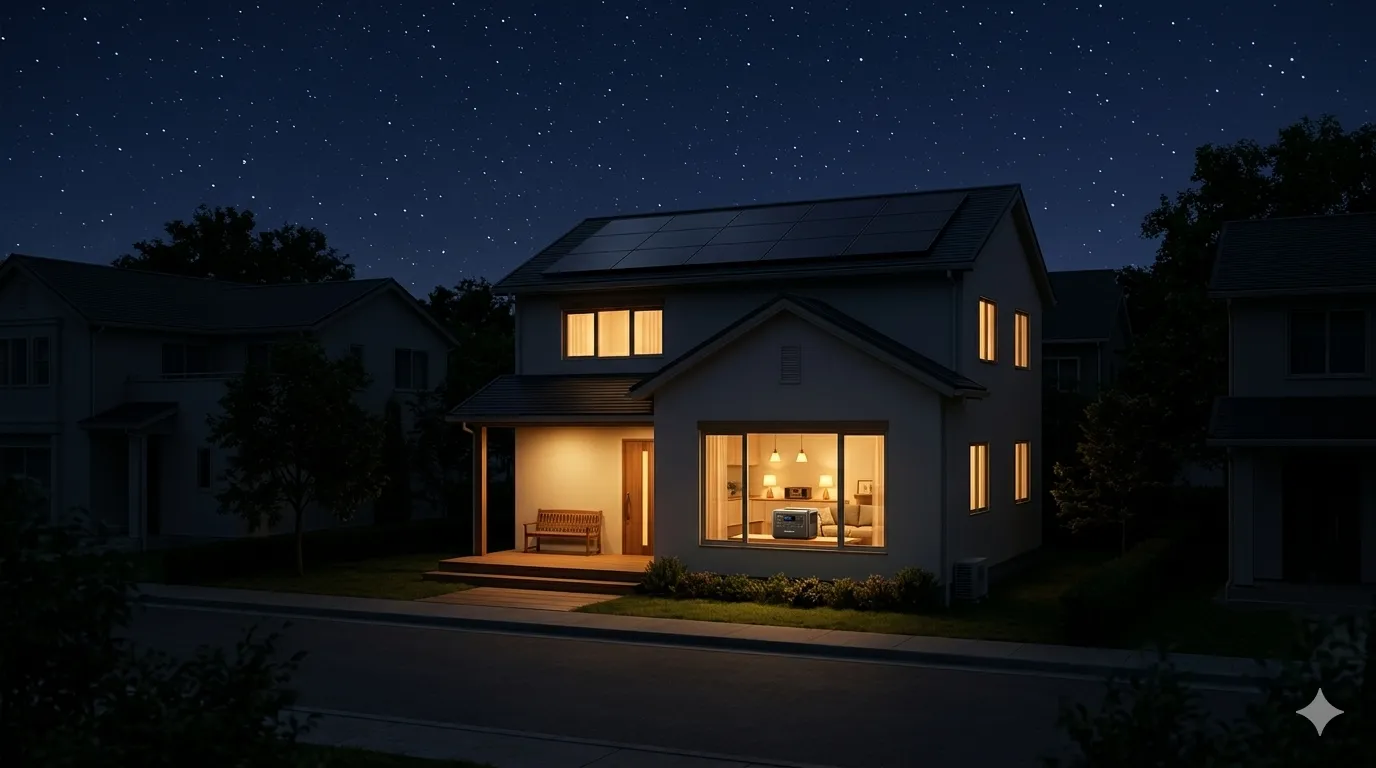

Power cuts used to be short and manageable. Today, with increasing pressure on energy infrastructure and extreme weather events, outages can last hours—or even days. Preparing your home in advance is no longer optional; it’s a practical step toward safety, comfort, and continuity.
This guide breaks down exactly how to prepare for extended power outages, including one of the most reliable modern solutions: solar powered generators.
Why Long Power Cuts Are Becoming More Common
Several factors are contributing to longer and more frequent outages:
- Overloaded power grids
- Severe weather conditions
- Infrastructure limitations
- Rising energy demand
As a result, households need backup systems that go beyond temporary fixes.
Step 1: Identify Your Essential Power Needs
Before choosing any backup solution, it’s important to understand what you actually need to power.
Common essentials include:
- Lights
- Mobile phones and laptops
- Wi-Fi routers
- Refrigerators
- Medical devices (if applicable)
This step helps you determine the right capacity and type of backup system.
Step 2: Build a Reliable Emergency Kit
A well-prepared home should always have a basic emergency kit ready:
- Flashlights and extra batteries
- Power banks
- Non-perishable food and water
- First aid supplies
- Backup lighting (LED lanterns)
However, these are short-term solutions. For longer outages, you need something more dependable.
Step 3: Choose a Long-Term Backup Power Solution
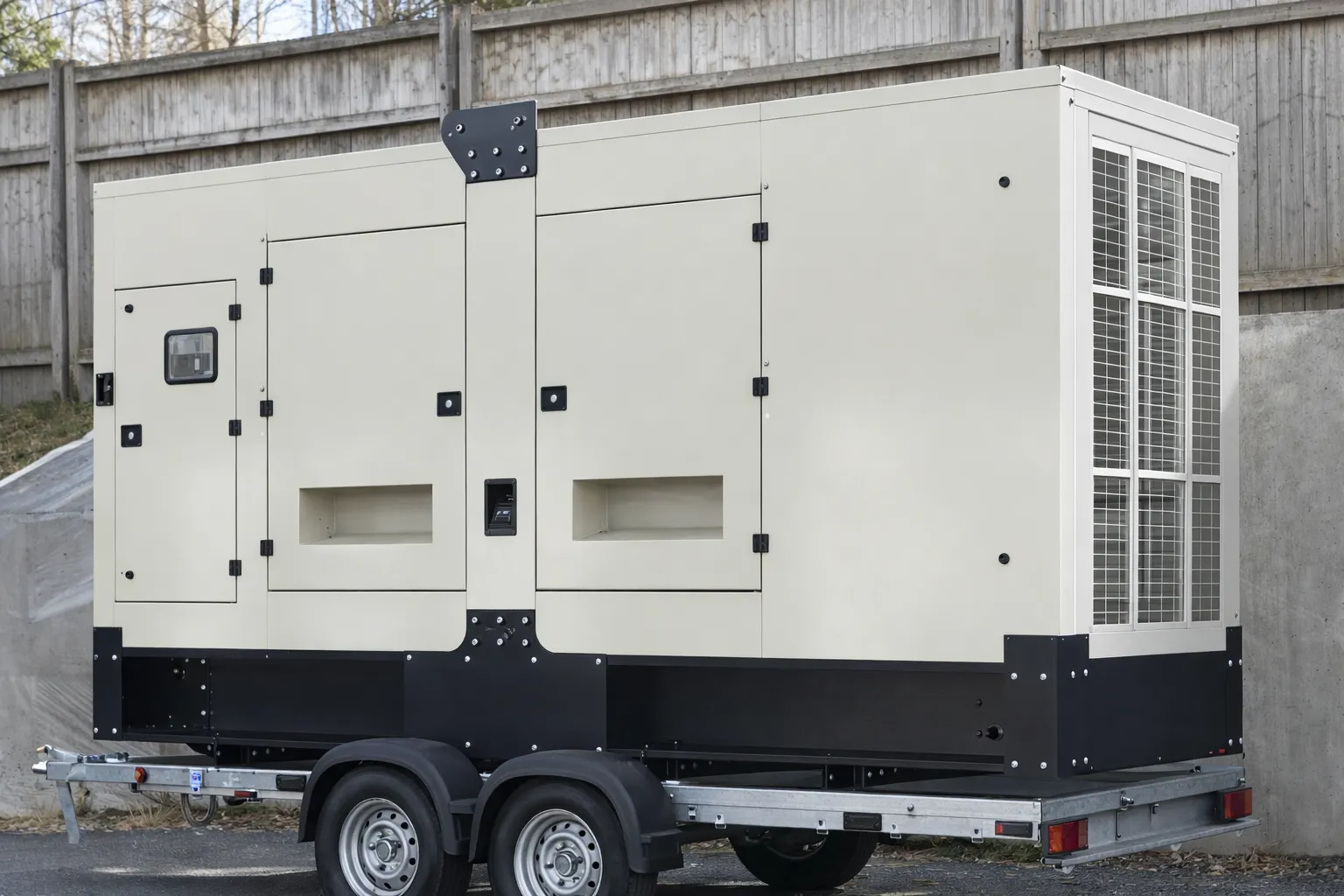
This is where most households struggle. Traditional fuel generators are often considered first—but they come with challenges like noise, fuel dependency, and emissions.
A more modern alternative is solar powered generators.
These systems:
- Store energy in batteries
- Can be recharged using solar panels
- Work silently and safely indoors
- Require minimal maintenance
Many homeowners start by exploring different solar powered generator kits to understand available capacities and configurations before making a decision.
Step 4: Plan for Energy Efficiency
During extended outages, managing energy wisely is just as important as having backup power.
Simple strategies include:
- Using LED lighting instead of traditional bulbs
- Limiting usage of high-power appliances
- Charging devices during daylight hours (if using solar)
This ensures your backup system lasts longer when you need it most.
Step 5: Secure Food and Water Storage
Power outages can disrupt refrigeration and water supply systems.
To stay prepared:
- Keep bottled water stored
- Use coolers to preserve perishable food
- Avoid opening the fridge frequently
Planning ahead can prevent unnecessary waste and inconvenience.
Step 6: Stay Informed and Connected
Communication is critical during outages.
Make sure you:
- Keep mobile devices charged
- Have a battery-powered radio
- Stay updated with local alerts
Reliable backup power plays a key role in maintaining connectivity.
Why Solar Powered Generators Are Gaining Attention
More people are turning to solar-based solutions because they offer a balance of reliability, convenience, and sustainability.
Key advantages:
- No fuel required
- Quiet operation
- Safe for indoor use
- Renewable energy source
Unlike traditional generators, they’re not just for emergencies—they can be used regularly for outdoor activities, remote work setups, and off-grid living.
Final Thoughts
Preparing your home for long power cuts is about more than just convenience—it’s about resilience. From emergency kits to efficient energy use, every step adds an extra layer of security.
As outages become less predictable, solutions like solar powered generators are helping households stay prepared without relying on outdated systems.
The question isn’t whether power cuts will happen—it’s whether you’ll be ready when they do.


























Sign in to leave a comment.